
Workout intensity control is the skill of pushing hard enough to improve while staying far enough from the edge that you can recover, stay consistent, and avoid nagging injuries. If your workouts feel randomly “too easy” one day and “way too much” the next, intensity is usually the missing piece.
This matters more than most people think because intensity drives results, but it also drives fatigue. Get it wrong and you might stall, feel run-down, or quit. Get it roughly right and your plan starts working even if it’s not perfect.

Below is a practical way to control intensity for strength and cardio without turning training into a science project. You’ll learn how to gauge effort, match it to your goal, and adjust on the fly when life, sleep, or stress changes the equation.
What “Intensity” Really Means (and Why People Misread It)
Intensity is not just “going hard.” In the gym, it depends on the type of training.
- Strength training intensity usually refers to how heavy the load is relative to your max, plus how close you get to failure.
- Cardio intensity often refers to how hard your heart and lungs work, commonly tracked with pace, power, or heart rate.
A common mistake is chasing the same feeling every session. Some days you want “challenging but controlled,” other days you want “brutal,” and plenty of days should feel almost easy. Consistency beats drama.
According to the Centers for Disease Control and Prevention (CDC), physical activity intensity is commonly described as moderate or vigorous, and simple cues like breathing and the ability to talk can help categorize it. That basic framing works surprisingly well in real life.
3 Reliable Tools for Workout Intensity Control (Pick One, Combine as Needed)
You don’t need all the tools. Most people do best by choosing one primary method, then using a backup when things feel “off.”
1) RPE (Rate of Perceived Exertion)
RPE is a 1–10 effort scale. It’s subjective, but it’s also flexible and works across training styles.
- RPE 3–4: easy, warm-up pace, you could do this a long time
- RPE 5–6: moderate, focused effort, sustainable
- RPE 7–8: hard, you’re working, still controlled
- RPE 9–10: near-max to max, not for daily use
For strength sets, many lifters use “reps in reserve” as a cousin to RPE, meaning how many reps you could still do with good form.
2) The Talk Test (Simple, Underrated)
If you can speak in full sentences, it’s generally moderate. If you can only get out a few words at a time, it’s vigorous. If you can’t talk at all, you’re likely flirting with maximal effort.
This is a practical anchor for workout intensity control when heart rate is unreliable, like during heat, dehydration, or high caffeine days.
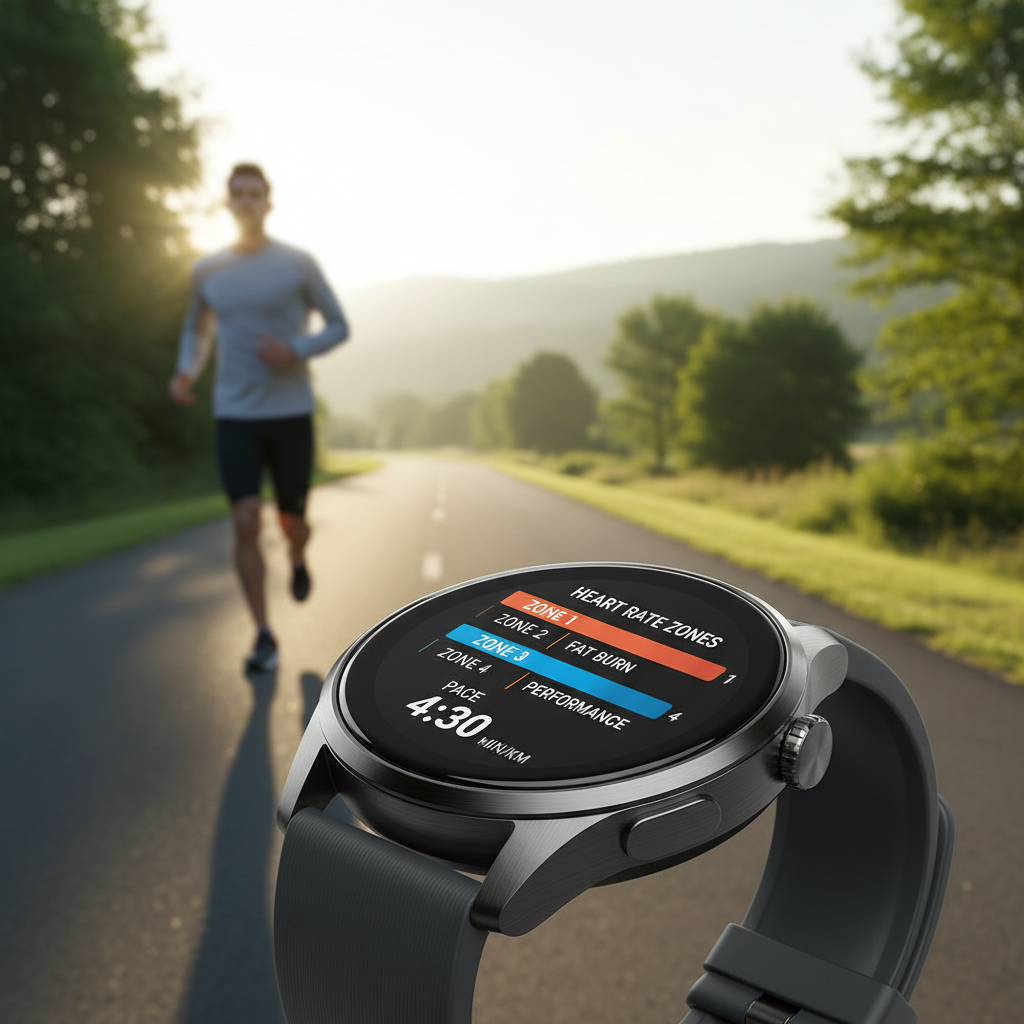
3) Heart Rate (Helpful, Not Perfect)
Heart rate gives structure, especially for steady-state cardio. Still, it can drift upward during longer sessions and can be affected by stress, sleep, and medications.
According to the American Heart Association (AHA), you can estimate intensity with target heart-rate zones, often described as a percentage of your max heart rate. If you have heart conditions or take heart-related medications, it’s smart to discuss zones with a clinician or qualified coach.
Quick Self-Check: Are You Training Too Hard or Too Easy?
If your plan “should” work but doesn’t, the answer is often hidden in recovery signals, not motivation.
- Too hard too often: performance drops across multiple sessions, sleep feels worse, resting heart rate creeps up, soreness lingers, mood feels flat
- Too easy too often: you never feel challenged, weights never progress, breathing never gets taxed, workouts feel the same month to month
- About right: you can repeat quality sessions, you see gradual progress, hard days feel hard but don’t ruin the week
One more clue people ignore: if you regularly need huge hype to finish sessions, intensity might be mismatched to your current capacity. Ambition is fine, but it needs a runway.
Match Intensity to Your Goal (So Effort Has a Job)
Better workout intensity control starts with a blunt question: what is this session for? Different goals call for different “hard.”
| Goal | Most Sessions Should Feel Like | Intensity Guide |
|---|---|---|
| Fat loss + consistency | Doable, repeatable | Cardio RPE 5–7; strength sets stop with 1–3 reps in reserve |
| Muscle gain | Hard sets, controlled form | Most sets RPE 7–9; avoid constant all-out failure |
| Strength | Heavy, crisp reps | More rest, fewer reps; heavy work without grinding every set |
| Endurance | Mostly easy with some spicy | Many sessions moderate; a smaller dose of vigorous intervals |
If you feel like every workout must be “max effort” to count, that’s usually a fast track to inconsistency. Most good programs rely on a mix of easier volume and a smaller amount of true high intensity.
Practical Step-by-Step: How to Control Intensity in Real Time
Here’s a simple process you can use today without rewriting your entire plan.
Step 1: Pick your main intensity metric
- Strength: use reps in reserve or RPE.
- Cardio: use talk test plus heart rate if you like structure.
Step 2: Set a “cap” before you start
The cap is your ceiling for the day. Example: “No sets above RPE 8,” or “Intervals stop if I can’t recover breathing within 90 seconds.” This keeps one chaotic set from hijacking the session.
Step 3: Adjust using a simple decision rule
- If the first working set feels too easy, add 2–5% load or 1–2 reps next set.
- If it feels too hard, drop 5–10% load, shorten the interval, or add rest.
- If form breaks, treat that as intensity being too high, even if your ego disagrees.
Step 4: Keep hard work, trim junk fatigue
A good intensity tweak often means fewer “extra” sets, not more. When people complain they don’t recover, it’s often because every set becomes a test. Keep the productive sets, cut the ones that only add soreness.

Common Mistakes That Quietly Break Your Progress
- Using failure as the default: occasional failure can be fine, but living there makes recovery expensive.
- Turning cardio into a competition: if every run becomes a time trial, your “easy days” disappear.
- Copying someone else’s intensity: their sleep, training age, and stress load are not yours.
- Ignoring warm-up feedback: your body often tells you the truth in the first 10 minutes.
- Only tracking what feels good: notes like RPE, pace, or reps in reserve make workout intensity control repeatable.
If you’re new to training, pregnant, returning after injury, or managing a medical condition, it’s wise to keep intensity conservative until you have professional guidance. Pain, dizziness, or unusual shortness of breath are signals to stop and seek medical advice.
Key Takeaways (Keep This Simple)
- Workout intensity control is about repeatable effort, not constant suffering.
- Use RPE for most training, add the talk test for cardio, and use heart rate as a helpful guardrail.
- Set a daily intensity cap, then adjust load, pace, or rest based on the first few minutes.
- When recovery slips, reduce intensity or volume before you blame motivation.
Conclusion: A Better Week Beats a Perfect Day
Good training rarely hinges on one heroic session, it’s built from weeks where hard days feel purposeful and easier days actually stay easy. If you want results that stick, treat workout intensity control as a weekly skill, not a single-workout decision.
Your next action can be small: pick one metric for the next two weeks, write it down after every session, and adjust only one lever at a time, load, reps, pace, or rest.
FAQ
How do I know if my workout intensity is “moderate” or “vigorous”?
The talk test works well: full sentences usually means moderate, short phrases usually means vigorous. Heart rate can support that, but how you breathe often tells the story faster.
Is heart rate the best way to manage workout intensity control?
It’s useful, especially for steady cardio, but it’s not always “truth.” Heat, stress, dehydration, and some medications can skew it, so pairing it with RPE or the talk test tends to work better.
Should I train to failure to build muscle?
Many people grow well without living at failure. Sets that end with 1–3 reps in reserve often provide strong stimulus with less recovery cost, and you can sprinkle in occasional harder sets if form stays solid.
Why do I feel like my intensity changes even when the weight stays the same?
Sleep, nutrition, and stress change your readiness. That’s normal. Instead of forcing the same output, use a cap and adjust load or reps so the effort matches the day.
How often should I do high-intensity interval training?
It depends on training age and recovery. Many people do well with 1–2 sessions per week, but if soreness and fatigue spill into other workouts, dialing it back usually helps.
What’s a simple rule for cardio intensity if I hate tracking?
Use a three-bucket system: easy (can talk comfortably), steady (can talk but prefer not to), hard (only a few words). It’s not fancy, but it’s consistent.
When should I talk to a professional about intensity?
If you have chest pain, fainting, or concerning symptoms, seek medical care. If you’re stuck in a cycle of injury or burnout, a qualified coach or physical therapist can help you set appropriate targets and progressions.
If you’re trying to make intensity feel less random, a simple training log with RPE or reps-in-reserve notes can save a lot of guesswork, and if you prefer a more hands-off approach, a coach can help you set caps and progressions that match your schedule and recovery.