
how to prevent hand numbness when cycling usually comes down to three things you can actually change: bike fit, how you load your hands, and what your nerves and blood vessels are tolerating on that ride.
If your fingers tingle, go weak, or your palms feel “asleep,” it’s not just annoying, it can quietly affect braking and shifting, especially on longer descents or in traffic. A little numbness might be common, but persistent or worsening symptoms deserve attention.
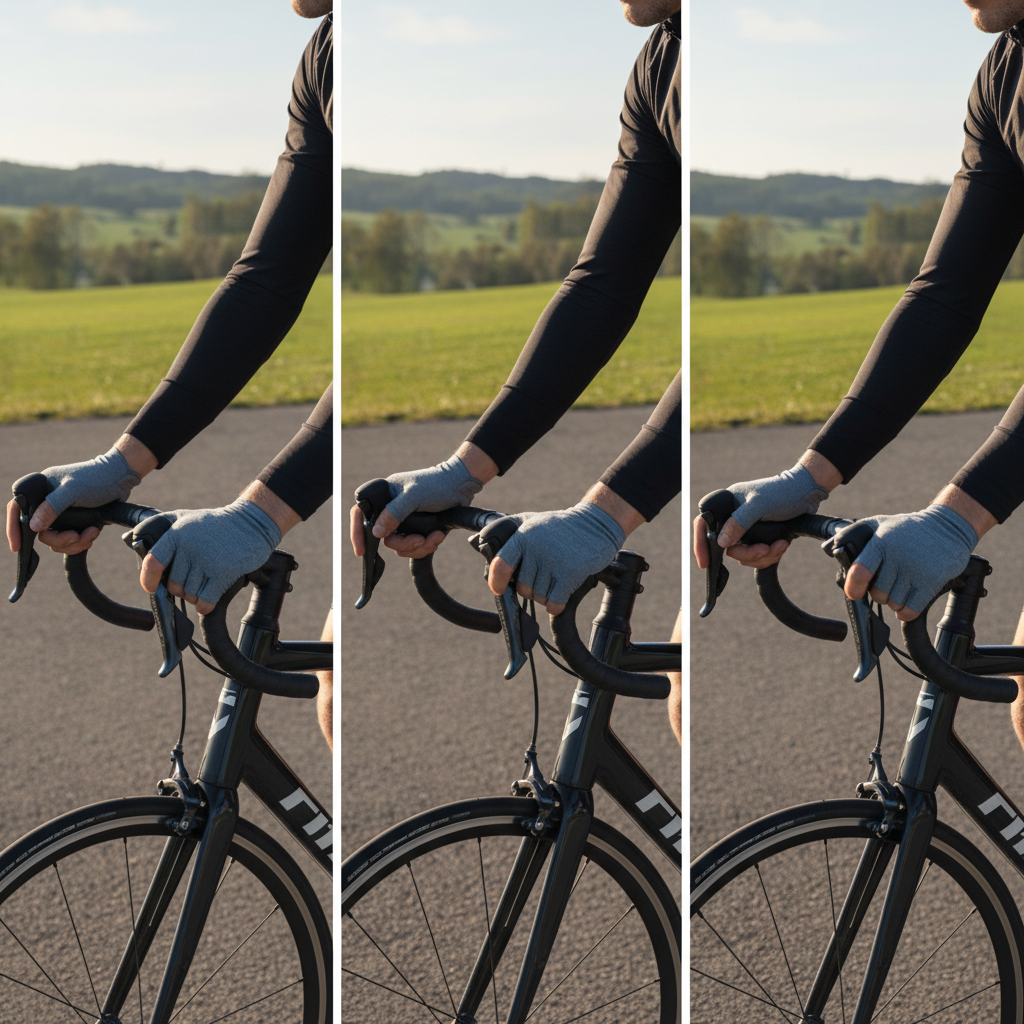
The good news is you rarely need one magic product. Most riders improve quickly by making a few small adjustments, then testing one change at a time so you know what’s working.
Key takeaway: numb hands are often a pressure-management problem, not a toughness problem. Your goal is to spread load across your core, saddle, and feet, and keep wrists neutral so nerves and circulation get a break.
Why hands go numb on a bike (the real-world causes)
Hand numbness usually happens when soft tissue gets compressed, blood flow gets restricted, or a nerve gets irritated. On bikes, those three often overlap.
- Too much weight on the hands: bars too low or too far, saddle position pushing you forward, weak core support, fatigue late in rides.
- Wrist angle issues: bent wrists on the hoods, cocked wrists on flat bars, or “death grip” that locks everything up.
- Contact-point pressure: thin tape/grips, gloves that bunch, or bar shapes that create hot spots in the palm.
- Road vibration: rough pavement, high tire pressure, rigid fork, or long sections on the same hand position.
- Nerve-specific irritation: ulnar nerve (ring/pinky side, common “handlebar palsy”) or median nerve (thumb/index/middle, often carpal-tunnel-like).
According to the American Academy of Orthopaedic Surgeons (AAOS), numbness and tingling in the hand can be related to nerve compression, and ongoing symptoms should be evaluated, especially if weakness develops.
Quick self-check: which pattern sounds like you?
Before you start changing everything, take 60 seconds and identify your pattern. It makes the fix much faster.
- Ring finger and pinky go numb: often ulnar nerve pressure at the heel of the palm, frequently worsened by bent wrists or leaning heavily on the bars.
- Thumb, index, middle finger symptoms: often median nerve irritation, sometimes related to wrist extension, tight gloves, or pre-existing sensitivity.
- Whole hand “pins and needles” on rough roads: vibration plus grip tension, sometimes helped by tires/pressure and padding.
- Numbness mainly late in rides: fatigue, sagging posture, and creeping forward on the saddle are common culprits.
- One hand worse than the other: asymmetry in reach, lever angle, prior injury, or how you sit on the saddle.
Sanity check: if numbness shows up off the bike too, or wakes you at night, it may not be just cycling mechanics. That’s a different lane.
Fit fixes that usually help first (without overcomplicating it)
When people ask how to prevent hand numbness when cycling, they often want a glove recommendation. But fit changes tend to be the bigger lever, because they reduce load at the source.
1) Reduce how much your body falls onto your hands
- Check saddle tilt: a nose-down saddle can slide you forward and force you to brace with your arms, but nose-up can also create back/hip issues. Many riders do best near level, adjusted in small increments.
- Check saddle fore-aft: too far forward can load hands; too far back can create reach strain. Small moves matter.
- Consider handlebar height/reach: if bars are very low or far, your hands become a crutch. A modest rise or shorter stem often reduces numbness fast.
2) Set the controls to match your wrists
- Road bike hoods: aim for a neutral wrist when on the hoods, not bent upward. Rotating bars slightly and leveling hood bodies can change pressure points.
- Flat bars: many riders benefit from a slight backsweep or ergonomic grips that support the palm without forcing wrist extension.
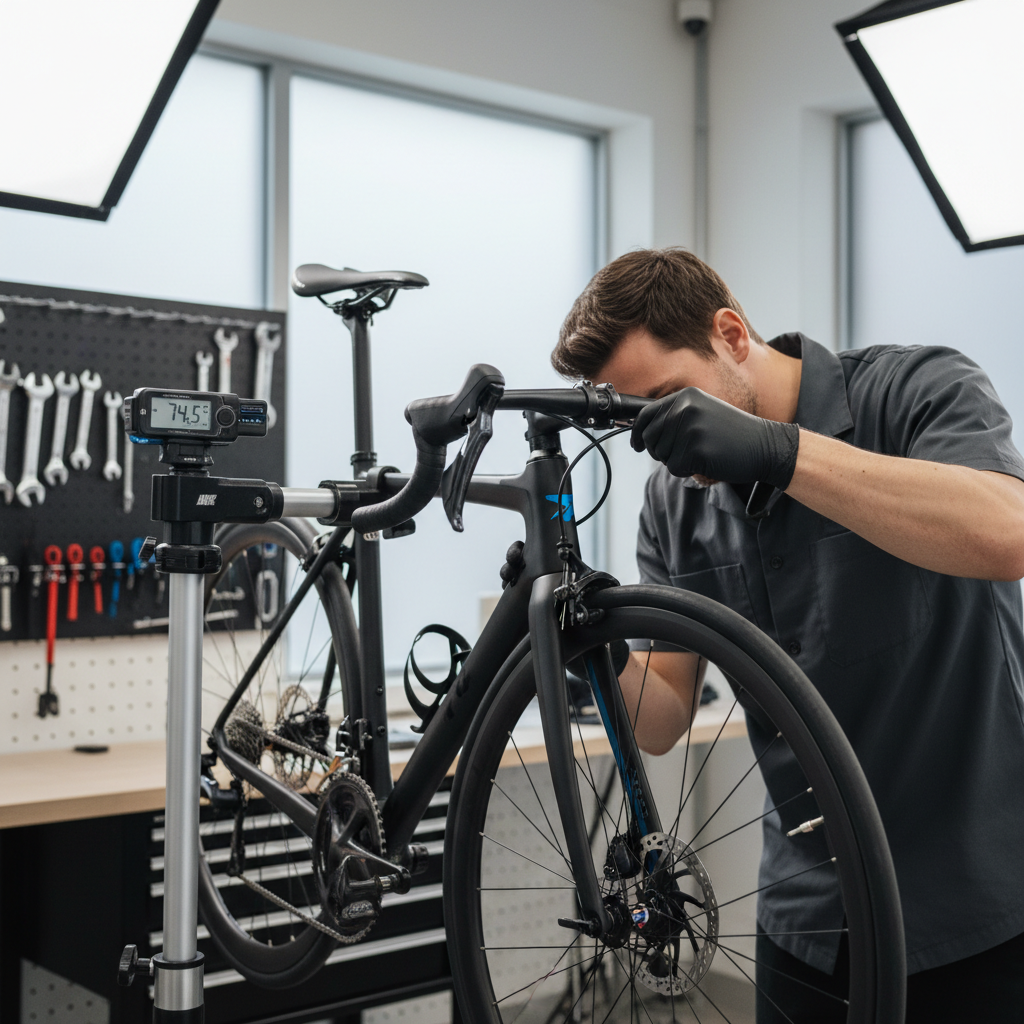
Practical tip: if you change two things at once and symptoms improve, you won’t know which one mattered. Pick one adjustment, ride 2–3 times, then decide.
Technique: lighten your hands without “riding stiff”
A lot of numbness comes from bracing. Your upper body gets tired, your elbows lock, your hands grip harder, and nerves pay the price.
- Soft elbows: a small bend works like suspension and reduces direct pressure into the palm.
- Neutral wrists: think “straight line” from forearm through the back of the hand.
- Change positions often: tops, hoods, drops, and light “shake-outs” every few minutes on long stretches.
- Relax the grip: hold the bars like you’re holding a small bird, secure but not crushing.
- Engage core lightly: not a plank contest, just enough that your torso doesn’t collapse into the bars.
According to the National Highway Traffic Safety Administration (NHTSA), maintaining control is central to safe cycling; if hand symptoms reduce your ability to brake or steer, treat it as a safety problem, not only a comfort issue.
Gear and setup that can make a noticeable difference
Once fit and technique are in a better place, gear changes can “finish the job,” especially if your routes include rough pavement.
| Problem you feel | What to try | Why it helps |
|---|---|---|
| Hot spot in palm, ring/pinky tingling | Ergonomic grips (flat bars) or thicker bar tape (drops) | Spreads pressure away from the ulnar side |
| Numbness on rough roads | Lower tire pressure (within safe range), wider tires if possible | Reduces vibration transferred into hands |
| Hands go numb only after an hour | Gloves with targeted padding, better fit, no bunching | Reduces shear and localized compression |
| Wrist feels bent back on flat bars | Bar with more backsweep or a slightly different stem | Improves wrist alignment, less nerve irritation |
| Pressure on the heel of the hand | Move hands inward/outward, adjust lever angle | Changes contact point and load path |
One gear note people miss: gloves can cause numbness if they’re too tight across the palm or if seams sit right on a pressure point. “More padding” is not always better if it bunches.
A simple 10-minute action plan (test, don’t guess)
If you want a straightforward way to prevent hand numbness on your next rides, use this order. It tends to give quick feedback.
- Minute 1–2: On a flat stretch, consciously soften elbows and loosen grip. If symptoms fade, technique is a major piece.
- Minute 3–5: Rotate through hand positions every 2–3 minutes. If changing positions helps, pressure distribution is the target.
- Minute 6–8: Check wrist angle on your usual position. If the wrist is bent, adjust lever angle or bar rotation slightly.
- Minute 9–10: After the ride, note which fingers went numb and when. That detail guides whether you prioritize ulnar-side pressure, median nerve irritation, or vibration.
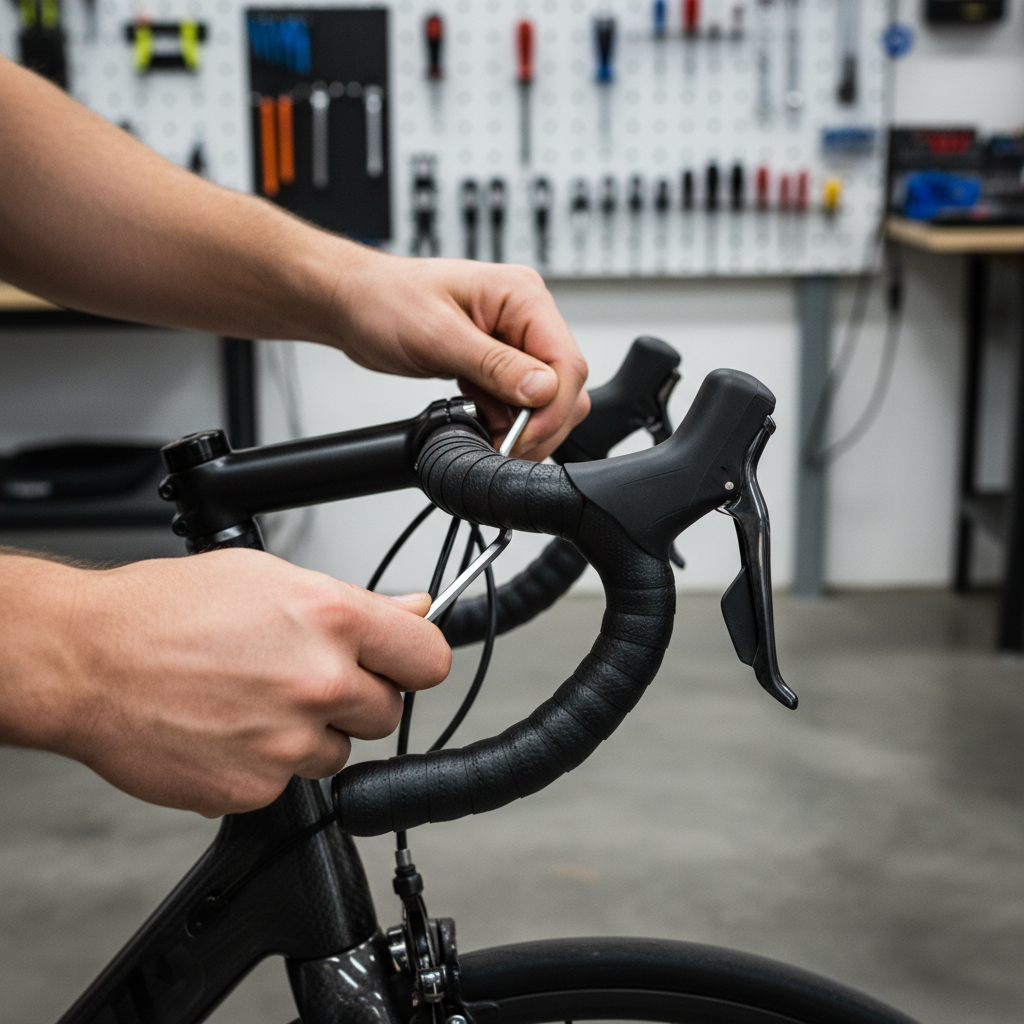
For many riders, the first “real” change worth making is raising bars slightly or shortening reach, because it reduces the need to prop your body with your hands.
Mistakes that waste time (and sometimes make it worse)
- Buying thicker gloves before fixing posture: padding can mask pressure, but it rarely removes the cause.
- Ignoring saddle setup: sliding forward and catching yourself on the bars is a classic numb-hands loop.
- Over-tightening grip on descents: many riders squeeze more when nervous; braking confidence and relaxed arms matter.
- Dropping tire pressure too far: lower can help, but going below safe limits increases pinch-flat risk and can affect handling.
- Making big fit changes at once: you lose the “signal,” and you may create new aches in neck, back, or knees.
Also, don’t assume numbness equals “normal cyclist pain.” It might be common, but it’s still a signal.
When to get professional help (bike fit or medical)
If you’ve tried reasonable adjustments and symptoms persist, it’s smart to escalate. Not because it’s dramatic, but because small issues can become stubborn when nerves stay irritated.
- See a bike fitter if numbness appears quickly, you feel stretched out, or you’re unsure about saddle/handlebar changes. A good fit session often reveals reach and control-angle issues you won’t spot alone.
- Consider a clinician (sports medicine, orthopedics, PT/OT) if you have persistent tingling off the bike, hand weakness, loss of coordination, or symptoms that worsen over weeks. Those patterns may need evaluation beyond cycling setup.
According to the Centers for Disease Control and Prevention (CDC), seeking appropriate medical advice matters when symptoms persist or interfere with daily function; if numbness impacts normal activities or safety on the road, getting checked is a reasonable next step.
Conclusion: keep pressure moving, keep wrists neutral
how to prevent hand numbness when cycling is mostly about unloading your hands, aligning wrists, and reducing repeated pressure in one spot. Start with one fit change that reduces reach or hand load, pair it with softer elbows and frequent position changes, then use tape/grips, gloves, and tire pressure as fine-tuning.
If you want one clear next step, do a short test ride with a relaxed grip and deliberate hand-position changes, then decide whether your best move is a small cockpit adjustment or a deeper fit check.
FAQ
- How do I stop my hands from going numb on long bike rides?
Rotate hand positions often, keep elbows slightly bent, and check whether you’re sliding forward onto the bars. If it starts after 45–60 minutes, fatigue and reach usually play a role. - Is hand numbness more common on road bikes or mountain bikes?
It can happen on both. Road bikes often create sustained pressure on the hoods, while mountain bikes add more vibration and braking grip. Your routes and setup matter more than the category. - Do padded cycling gloves prevent numb hands?
They can help, especially for vibration, but they don’t always fix nerve compression from poor wrist angle or too much weight on the hands. Fit and posture tend to be the higher-impact changes. - What finger numbness means ulnar nerve vs median nerve?
Ring and pinky symptoms often point toward ulnar-side pressure, while thumb/index/middle symptoms often fit a median-nerve pattern. It’s not a diagnosis, but it helps you choose what to adjust first. - Should I raise my handlebars to reduce numbness?
Many riders improve with a slightly higher bar or shorter reach, because it reduces how much you prop yourself up with your hands. Small changes are safer than big jumps. - Can tire pressure cause hand numbness?
Yes, especially on rough roads. High pressure transmits more vibration into hands. Adjust within the tire and rim guidelines, and consider wider tires if your bike allows. - When is cycling hand numbness serious?
If you notice weakness, persistent tingling off the bike, worsening symptoms, or trouble braking safely, it’s time to pause and get a professional opinion from a fitter and possibly a clinician.
If you’re currently tweaking your setup and want a more predictable path, a professional bike fit or a short fit check at a reputable shop can be a low-drama way to confirm saddle position, reach, and lever angles before you spend money on more gear.