
how to pack a backpack for cycling trip comes down to two things most riders underestimate, weight placement and access, because even “light” gear can feel miserable if it rides high, bounces, or forces you to stop every 10 minutes to dig for basics.
If you have ever arrived with a sore neck, sweaty back, or a bag that seems to pull you off line on descents, it is rarely about fitness, it is usually a packing problem. The good news, you do not need fancy gear to fix it, you need a repeatable method.
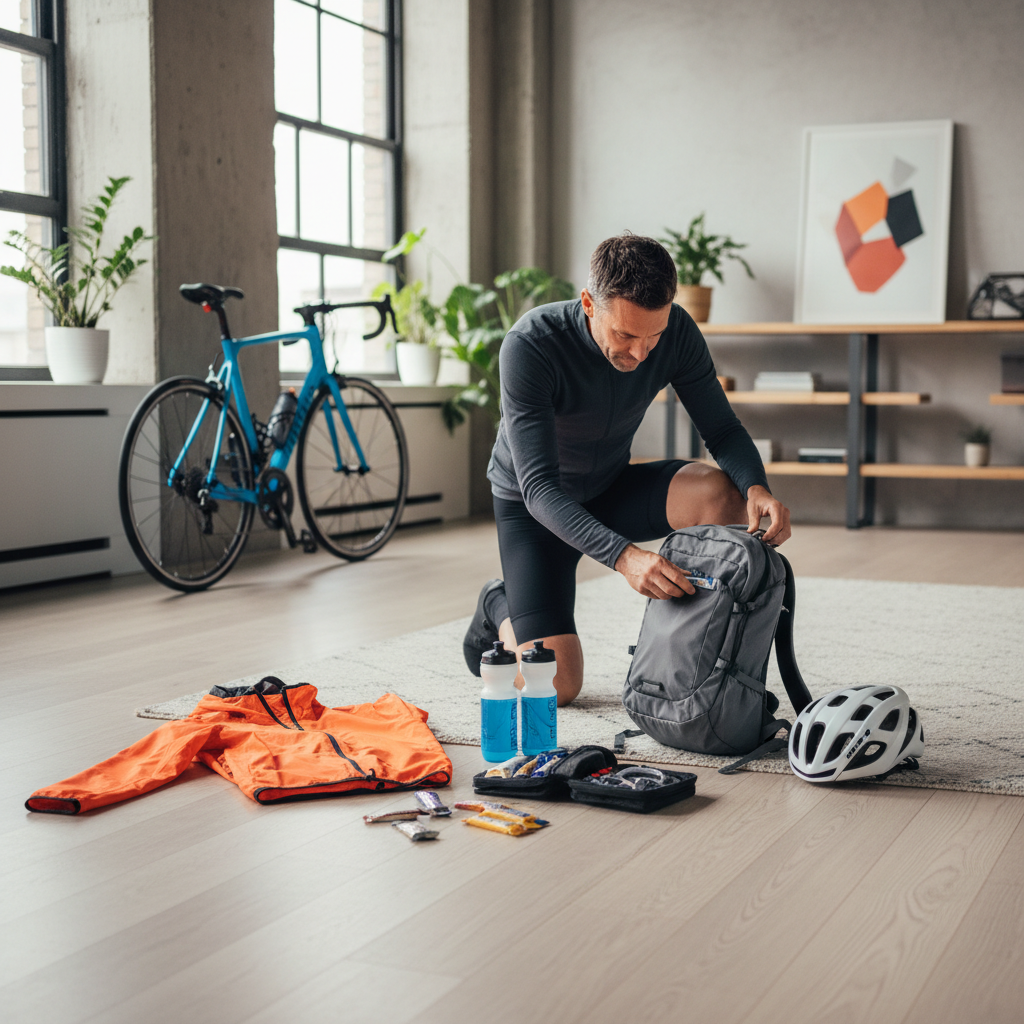
This guide focuses on real-world choices, what deserves space, what can stay home, and how to pack so the ride stays stable. You will also get a quick checklist, a packing table, and a few “save your day” items that often get missed.
Start with the ride plan, not the gear pile
Before you decide how to pack anything, lock in four inputs, distance, weather swing, resupply frequency, and whether you will ride mostly road, gravel, or mixed terrain. That combo determines volume more than personal preference.
- Distance and duration: a 2-hour ride needs fuel and a flat kit, an all-day loop needs layers and more calories.
- Weather swing: mornings can be chilly even when afternoons turn hot, especially in coastal or mountain areas.
- Resupply: if you pass stores every hour, you can pack lighter than if you are riding remote routes.
- Terrain: rough surfaces punish top-heavy loads, keep weight closer to your center of mass.
According to NOAA, weather conditions can change quickly and local forecasts matter for outdoor planning, so checking wind and precipitation timing often saves you from overpacking or getting caught without a shell.
Choose the right carry setup: backpack vs. on-bike storage
Many cyclists use a backpack because it is simple, but it is not always the most comfortable option. If you can move some weight to the bike, your upper body usually thanks you.
When a backpack makes sense
- Short trips, commuting, or rides where you need to carry a laptop or a bulky item
- Rental bikes or situations where racks and bags are not available
- Mixed plans, biking plus public transit, walking, or errands
When to consider bike bags instead
- You are packing more than a few pounds and will be riding for hours
- You expect heat and humidity, back sweat becomes its own problem
- You have neck or lower-back sensitivity, or you are returning from injury
If you are set on a backpack, look for a snug fit, a sternum strap, and a hip belt. Those features reduce bounce and keep the load from hanging off your shoulders.
A practical packing system: heavy-low, soft-outside, essentials-up-top
The most reliable way to make a backpack feel “smaller” is to make the weight sit low and close to your spine, while keeping quick-grab items reachable. This is the part that fixes wobble on corners.
- Closest to your back: dense items that should not shift, like a lock, tool roll, power bank.
- Bottom zone: heavy but not frequently needed items, such as spare tube, pump, or packed lunch.
- Outer zone: soft items that can act as padding, like a mid-layer or gloves.
- Top and pockets: anything you need without unpacking, snacks, sunscreen, ID, a light shell.
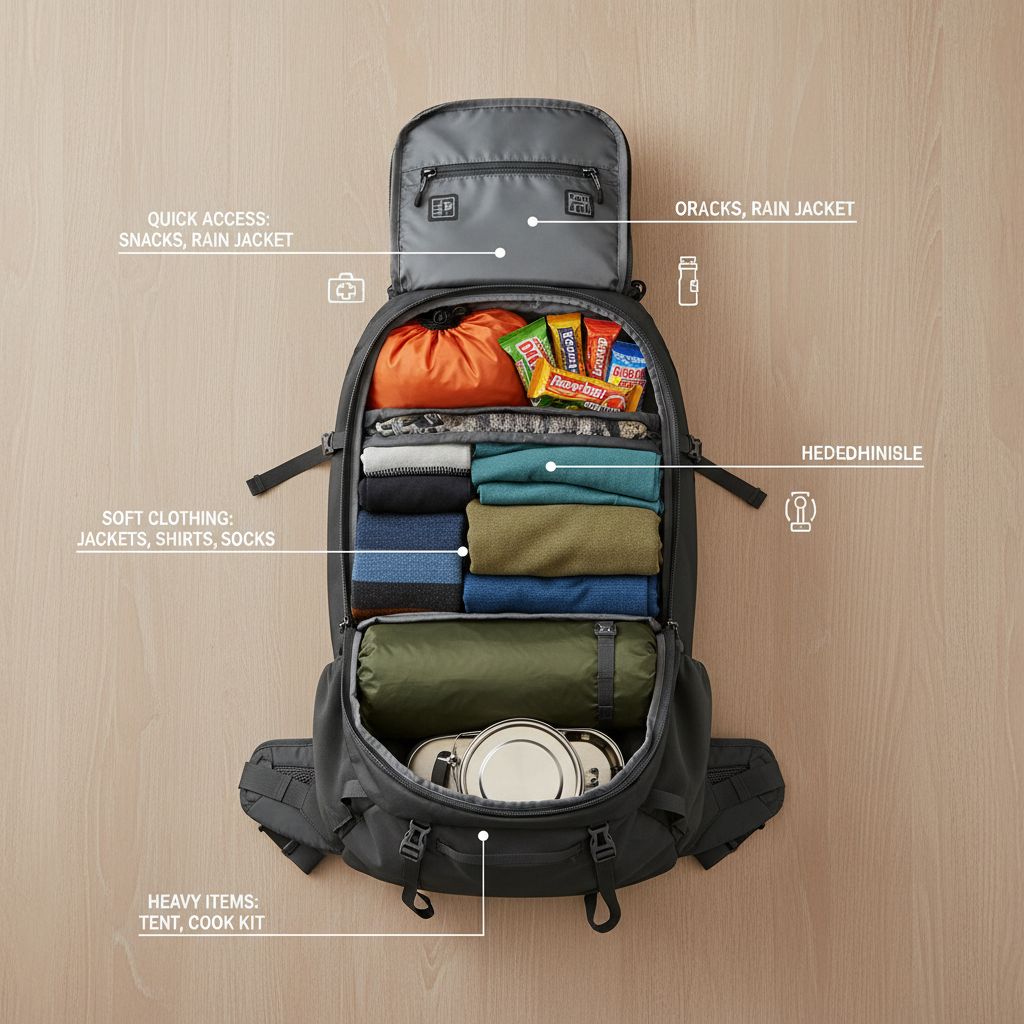
If you are figuring out how to pack a backpack for cycling trip with minimal bounce, this is the rule that does most of the work. A bag that rides high might feel “organized” but tends to sway, especially when you stand to climb.
One more small trick, if your bag has compression straps, use them after you pack. If it does not, pack soft items so they fill gaps and prevent shifting, a loose load feels heavier than it is.
What to pack: a clear table by trip type
Instead of a giant “ultimate list,” it helps to pack by scenario. You can always add one or two personal items, but keep the core tight.
| Trip type | Must-pack essentials | Nice-to-have |
|---|---|---|
| 2–3 hours (local loop) | Water, snacks, flat kit (tube/CO2 or pump, tire levers), ID/cash/card, phone | Light shell, mini first-aid, sunscreen |
| Half-day (3–6 hours) | Extra calories, electrolyte option, multi-tool, chain quick link, small light | Arm warmers, packable vest, chamois cream |
| All-day (6+ hours) | More food than you think, rain layer, backup charging, warmer layer, basic meds you tolerate | Spare brake pads for long wet rides, ultralight sandals for stops |
For safety items, lean practical. According to NHTSA, visibility and proper safety practices reduce crash risk, so a small light set and reflective detail often pays off even on daytime rides if weather turns or you finish late.
Quick self-check: do you actually need a backpack?
If your shoulders ache or you feel unstable, do this quick check before buying anything new.
- The bag weighs more than about 10% of your body weight: many riders start feeling it well before that, especially on climbs.
- The load shifts when you stand up: if it swings, your packing or straps need adjustment.
- You are carrying water inside the pack: bottles are dense and often sit far from your back, moving them to the frame can help.
- You sweat through your shirt quickly: consider a smaller pack, better ventilation, or moving gear to the bike.
If two or more apply, it may be worth switching some items to a saddle bag, frame bag, or handlebar roll, then using a small backpack only for light layers and food.
Step-by-step: how to pack a backpack for cycling trip (no guesswork)
This is the workflow that tends to keep riders consistent. It also makes it easy to re-pack fast in the morning.
1) Do a 60-second “route reality” scan
- Confirm forecast, temperature swing, and rain chance
- Check resupply points, water fountains, stores, gas stations
- Decide whether you need warm gloves, a shell, or just a vest
2) Build three mini-kits
- Fix-it kit: tube, pump or CO2, tire levers, patch, multi-tool
- Body kit: chamois cream, wipes, bandages, any personal items you may need
- Weather kit: packable layer, gloves, cap, buff, or sunscreen depending on conditions
3) Load in the stability order
- Dense items near your spine, low in the bag
- Soft items toward the outside to reduce poking and movement
- Top pocket for fuel, phone-access items, and your most-used layer
4) Tighten and test
- Put it on, tighten shoulder straps, then sternum strap, then hip belt if available
- Lean forward like you are riding, then do a gentle hop, the load should not thump or sway
- If it moves, repack before you ride, tightening straps alone rarely fixes a poorly placed heavy item
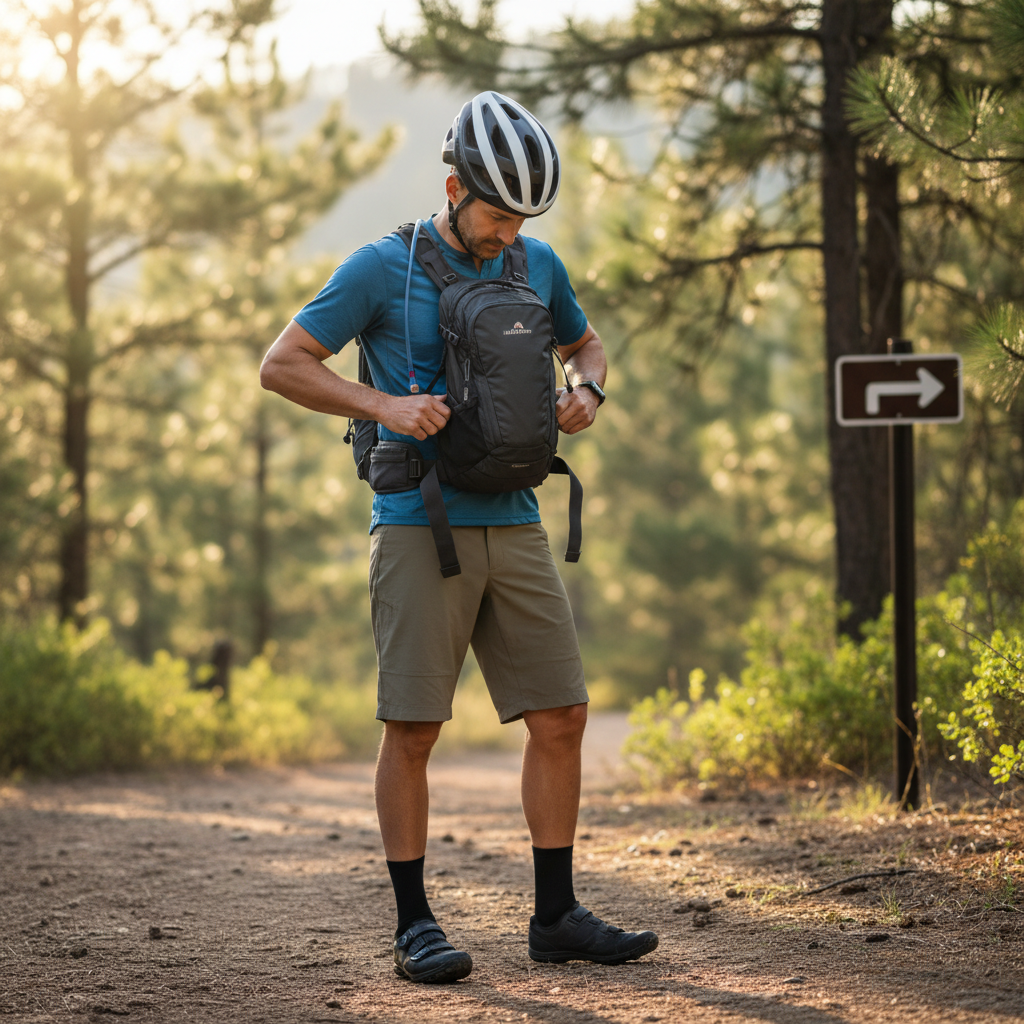
When people ask how to pack a backpack for cycling trip comfort, this last test is where it either works or falls apart, and it takes less than a minute.
Common mistakes that make a “light” bag feel awful
- Heavy items in the top pocket: it feels convenient, but it raises your center of gravity.
- Hard corners against your back: a multi-tool or charger with sharp edges should be wrapped in a soft layer.
- Too many “just in case” extras: duplicates add up fast, bring one solid option, not three mediocre ones.
- Food packed too deep: if you cannot eat while rolling or at quick stops, you often underfuel.
- Overpacking water: if your route has refills, carry less and top off, your shoulders will notice.
Also, be cautious with new supplements or meds on a long ride. Bodies react differently under heat and effort, and if you have any medical conditions, it is reasonable to check with a qualified clinician about what is safe for you.
Key takeaways for a smoother ride
If you remember only a few things, keep these on a short note in your phone and reuse them every time.
- Pack for stability first, heavy items low and close to your back.
- Make essentials easy to reach, fuel and layers should not require a full unpack.
- Choose the carry method honestly, if the load is big, shifting gear to the bike often improves comfort.
- Do a bounce test before you roll out, small fixes in the driveway beat big discomfort later.
Once you have a default setup, you spend less time thinking and more time riding, which is the whole point. If your next trip is coming up, do one practice pack tonight, then adjust after your first ride based on what you actually used.
FAQ
How do I pack a backpack for cycling trip so it does not bounce?
Start by placing the densest items low and close to your spine, then compress the load so nothing shifts. A sternum strap helps, but packing order usually matters more than cranking straps tighter.
Is it bad to ride with a heavy backpack on long distances?
It can be uncomfortable and may increase fatigue, especially for your neck, shoulders, and lower back. Many riders do better moving weight to the bike, and if you have pain or past injuries, consider asking a professional bike fitter for guidance.
What is the most important thing to bring on a cycling day trip?
Water plus a basic flat kit tends to be the difference between a minor inconvenience and a ride-ending problem. After that, food and a simple layer for weather swings usually give the best return for the space.
Should I carry water in the backpack or on the bike?
On the bike is often more stable because it keeps weight lower and off your shoulders, but hydration packs are convenient in hot weather when you need frequent sips. If you use a bladder, keep it snug against your back and avoid overfilling.
How much food should I pack for an all-day ride?
Enough that you can eat consistently even if a store is closed or delayed, which usually means more than your appetite predicts at the start. If you are unsure, pack extra small snacks, they are lighter than a bonk.
What should be in a basic bike repair kit for a trip?
A spare tube, a way to inflate, tire levers, and a multi-tool cover most common issues. On longer rides, adding a patch kit and a chain quick link is a small upgrade that can save a long walk.
How do I keep items dry if it rains?
A simple dry bag or even a thick trash bag liner inside the backpack works in many cases. If electronics matter, double-bag them, because zippers and seams can leak in sustained rain.
If you need a more tailored packing list for your exact route, weather window, and how much you prefer carrying on your back versus on the bike, write down your trip length and what you already own, then build one “default kit” you can reuse and tweak ride by ride.