
Meditation Fitness is a practical way to train your mind alongside your body, especially when stress, inconsistent motivation, or nagging tension keeps showing up in workouts.
A lot of people try to “push through” anxiety, bad sleep, or mental fatigue with more intensity, more caffeine, more grit. Sometimes that works for a week. Then the same problems come back, only louder: scattered focus in the gym, shallow breathing on runs, sore muscles that linger, or a short fuse outside training.
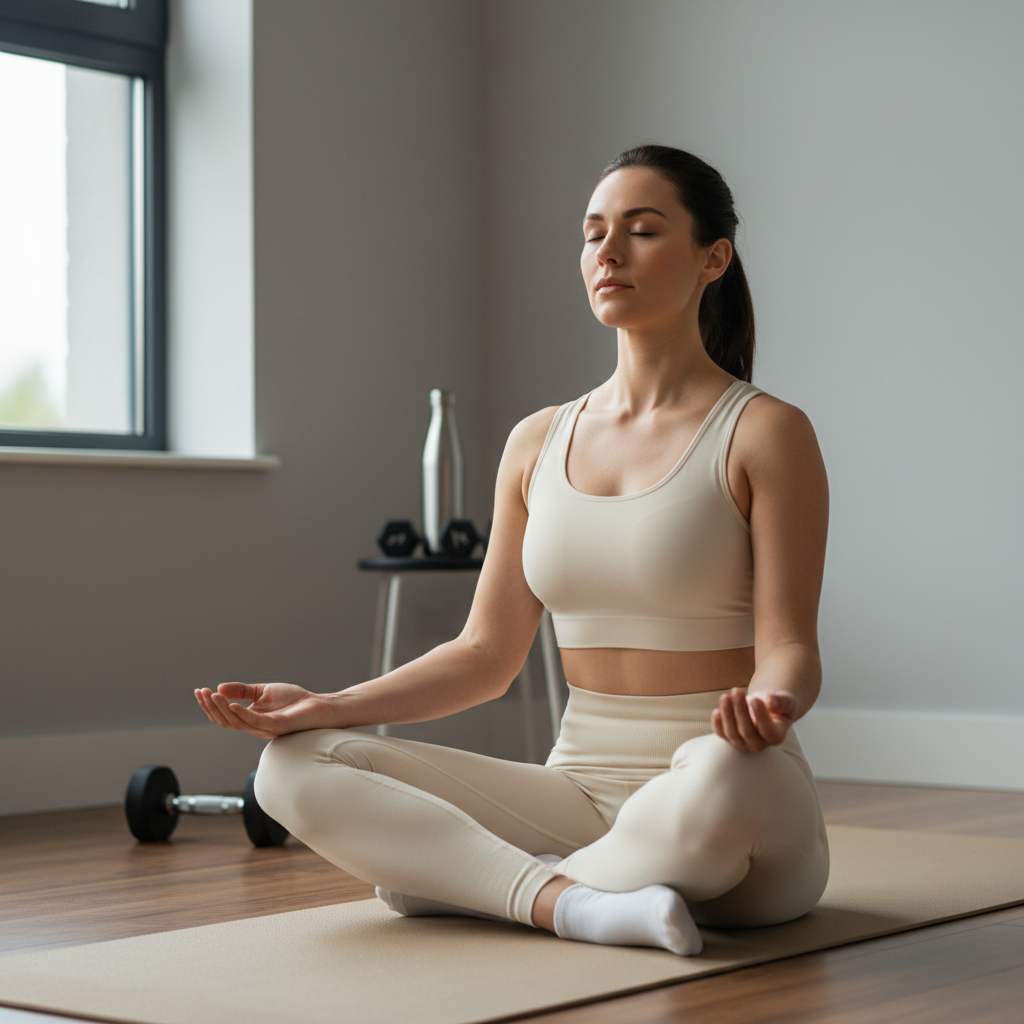
This guide connects meditation with real fitness outcomes without pretending it solves everything. You’ll get a simple way to choose a style, a checklist to see what you actually need, and short routines you can use before, during, and after training.
Why meditation can support training without feeling “woo-woo”
The useful part of meditation is not mystical, it’s training attention and regulating your stress response. That matters in fitness because effort, breathing, recovery, and consistency are all tied to how your nervous system behaves under load.
According to the American Psychological Association, stress can affect the body in ways that influence sleep, tension, and health behaviors, which often spill into exercise habits and recovery.
- Better workout focus: Less wandering attention can mean cleaner technique and fewer “sloppy rep” moments.
- Breath control under effort: Many people hold their breath when lifts get hard or pace picks up, meditation makes you notice sooner.
- Downshifting after training: If you stay revved up for hours, sleep quality can suffer, and recovery tends to follow.
- Consistency: Calm routines remove some of the emotional friction that causes skipped sessions.
One honest note: meditation does not replace programming, nutrition, physical therapy, or medical care. Think of it as support, not a substitute.
Quick self-check: what problem are you actually trying to solve?
People search for Meditation Fitness for different reasons, and the routine you choose should match your actual bottleneck, not a generic “do 10 minutes daily” goal.
A simple checklist
- If you feel anxious before training: You may need a pre-workout calming practice and a warm-up that slows breathing.
- If your mind drifts mid-set or mid-run: You may benefit from attention cues and short “reset breaths.”
- If you feel wired after workouts: You may need a post-workout downshift, especially on late-day sessions.
- If you feel unmotivated and inconsistent: You may need a tiny daily habit that reduces decision fatigue.
- If pain or injury fear is present: You may need body scanning and professional guidance to avoid ignoring symptoms.
If more than two items fit, start with the one that most often ruins your session. That’s usually where meditation helps fastest.
The main meditation styles that map well to fitness
Not every practice fits every athlete. Here are options that usually translate well to training days, with minimal setup.
| Style | What you do | Best for | When to use |
|---|---|---|---|
| Breath-focused | Count or follow inhales/exhales | Pre-workout nerves, pacing | 2–5 min before warm-up |
| Body scan | Move attention through body regions | Tension, recovery awareness | After training or before sleep |
| Open monitoring | Notice thoughts, don’t chase them | Busy mind, stress spillover | On rest days or mornings |
| Walking meditation | Attention on steps + breath | People who dislike sitting still | Warm-up walk, cooldown walk |
| Loving-kindness | Short phrases of goodwill | Harsh self-talk, burnout | After a “bad” session |

If you’re skeptical, start with breath-focused practice. It’s the least abstract and tends to show results quickly because breathing patterns show up immediately in training.
3 short routines you can actually stick with
These are designed for real life: limited time, noisy environments, and days when motivation feels thin. Keep them small, and they’ll survive busy weeks.
1) Pre-workout “arrive in your body” (3 minutes)
- Sit or stand tall, shoulders relaxed.
- Inhale through the nose for a comfortable count, exhale a bit longer.
- On each exhale, soften jaw, neck, and hands.
- Pick one cue for the session: “steady,” “smooth reps,” or “easy breath.”
Key point: You’re not trying to erase nerves, you’re trying to keep them from driving the wheel.
2) Mid-workout reset (20–40 seconds)
- Between sets or intervals, place attention on feet on the floor.
- Take 2 slow breaths and notice where you tense up.
- Return to one technical cue, not five.
This is where Meditation Fitness feels most “athletic,” because it improves decision-making when fatigue rises.
3) Post-workout downshift (5 minutes)
- Walk slowly or sit, breathe normally for 30 seconds.
- Do a quick body scan: calves, thighs, hips, back, shoulders, face.
- Label the state: “tired,” “energized,” “amped,” or “calm.”
- End with one deliberate exhale that feels unforced.
If you train in the evening and struggle with sleep, this routine is often more valuable than adding more stretching.
How to blend meditation with strength, cardio, and recovery days
A common mistake is doing the same meditation no matter what the day demands. Training stress varies, so your mental routine can vary too.
- Strength days: Short pre-workout breath focus, then mid-workout resets for technique under load.
- Cardio days: Use rhythmic breathing attention, and notice “panic breathing” early before it spikes.
- Mobility/recovery days: Body scan works well, it helps distinguish tightness from pain signals.
- Rest days: Longer open monitoring can reduce the urge to “make up for” missed sessions with punishment workouts.

According to the National Center for Complementary and Integrative Health (NCCIH), meditation is used by many people for wellness and stress-related reasons, and effects can vary by person and practice type. Treat it as an experiment with notes, not a belief system.
Common mistakes that make meditation feel useless
Most “it didn’t work” stories come from a few predictable issues, not from meditation being inherently ineffective.
- Chasing a blank mind: Thoughts will appear, success is noticing and returning.
- Going too long too soon: Ten minutes can feel like an hour if you’re stressed, start with two minutes.
- Using it only when you’re overwhelmed: Like mobility work, it works best as light maintenance.
- Ignoring discomfort signals: Meditation should not push you to train through sharp pain or concerning symptoms.
- Measuring results day-to-day: Look for trends: fewer skipped sessions, steadier breathing, calmer transitions.
If you want one rule, make it this: keep the practice small enough that you don’t negotiate with yourself.
When it makes sense to get professional help
If meditation brings up intense emotions, panic sensations, or past trauma reactions, it’s smart to slow down and consider support. Many people do fine with apps and simple breathwork, but not everyone should push through on their own.
- Talk to a healthcare professional if you have chest pain, dizziness, fainting, or symptoms that feel medically concerning during breathing practices.
- Consider a licensed mental health professional if anxiety spikes significantly when you sit quietly, or if intrusive thoughts feel unmanageable.
- Work with a qualified coach or physical therapist if pain or injury anxiety drives avoidance, and you need safe exposure back into training.
This is not about being “bad” at meditation, it’s about matching the tool to the situation.
Key takeaways and a simple next step
Meditation Fitness works best when it stays practical: a few minutes that improve breathing, attention, and the ability to downshift after effort. Keep the routine tied to a specific training problem, and track changes across two to three weeks instead of one day.
- Pick one routine (pre, mid, or post) and run it for 7 days.
- Keep it short, then extend only if you genuinely want more.
- Use one cue in training so meditation translates into action.
If you want a low-effort start, do the 3-minute pre-workout practice before your next session, then notice what happens to your breathing and your first working set.
FAQ
Is Meditation Fitness better before or after a workout?
Many people get the fastest payoff with 2–3 minutes before training to reduce scattered focus, and 3–5 minutes after training to help the body shift into recovery. If sleep is the main issue, prioritize post-workout or pre-bed.
Can meditation improve athletic performance?
It can support performance indirectly by improving attention, emotional control, and breathing habits under stress. It’s not a replacement for progressive training, but it often helps you execute your plan more consistently.
What if I can’t stop thinking during meditation?
That’s normal, especially for active people. The “rep” is noticing you drifted and returning to breath or body sensation, not forcing silence.
How long should I meditate if my goal is fitness and calm?
Two to five minutes is enough to start. If you can keep it daily without bargaining, you can slowly build toward 10 minutes, but longer isn’t automatically better.
Does meditation replace stretching or mobility work?
No, it serves a different purpose. Meditation targets attention and nervous system regulation, while mobility targets range of motion and tissue tolerance, though they can complement each other well.
Is guided meditation okay, or should I do it in silence?
Guided options work well for beginners and for anxious days because the structure reduces mental wandering. Silent practice can feel better once you know what to do with distractions.
Can meditation help with workout anxiety at the gym?
Often, yes, especially when paired with a predictable warm-up and one simple training goal. If anxiety feels severe or affects daily life, consider professional support.
If you’re trying to build a calmer, more consistent training routine, it often helps to set up a tiny “mental warm-up” the same way you’d set up your lifting plan, if you prefer a more guided approach, a simple breath-focused timer and a weekly checklist can make the habit feel almost automatic.