
Best cycling gloves for long distance usually come down to three things you feel after hour two, pressure relief, sweat control, and a fit that never bunches at the palm. If your hands go numb, your grip feels shaky on descents, or you keep getting “hot spots” near the thumb pad, your gloves are probably the wrong style for the way you ride.
This matters more than most riders expect because glove comfort is not just about “soft padding.” Too much cushion can increase pressure on the ulnar nerve area, while too little can leave your palms taking every vibration from chipseal. And once seams start rubbing mid-ride, you will think about nothing else.
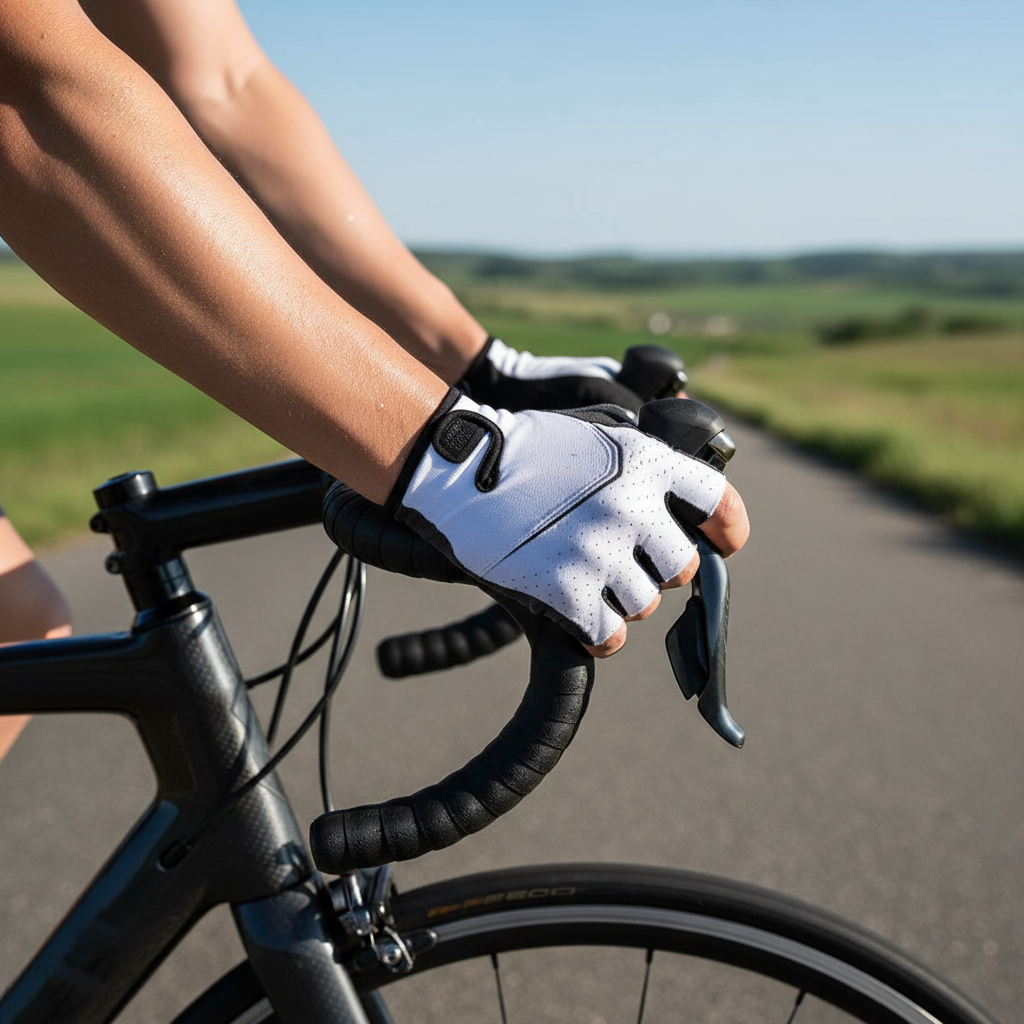
Below is a practical way to pick gloves that actually work for long mileage, not just what feels nice in a shop. You will see what to prioritize for road, gravel, touring, and indoor training, plus quick tests you can do at home before committing to a pair.
What “long distance” does to your hands (and why gloves fail)
On longer rides, small issues stack up. A tiny seam ridge becomes a blister, slightly wrong sizing turns into finger numbness, and sweat that felt manageable turns your grip slick.
- Pressure and nerve irritation: Many riders feel tingling in the ring and pinky fingers when pressure builds near the ulnar nerve. Gloves can help, but bar setup and hand position matter too.
- Vibration fatigue: Rough pavement and gravel transmit high-frequency buzz into your hands. Padding helps, but so do fabrics, palm structure, and even tire pressure.
- Heat + moisture: Wet palms increase friction and can cause “soft” blisters. Breathable backs and a palm that dries fast often outperform thicker “premium” materials.
- Grip security: When you are tired, you squeeze harder. If the palm is slippery or the fit shifts, you waste energy and feel less stable on descents.
According to the Centers for Disease Control and Prevention (CDC), hand hygiene and skin protection can reduce irritation and skin breakdown risk in many everyday contexts. In cycling terms, keeping skin dry, reducing friction, and avoiding pressure points are the big levers, gloves are one part of that system.
Key features to prioritize in the best cycling gloves for long distance
Ignore most marketing names and focus on build choices that affect comfort after a few hours.
Palm padding: placement beats thickness
For distance, the best designs tend to use targeted padding zones rather than a single thick slab. You want support under typical contact points without creating a “lump” that concentrates pressure.
- Gel vs foam: Gel can feel plush at first but may shift or bottom out for some riders; foam can feel firmer but more stable. It depends on your bars, tape, and hand shape.
- Pressure-relief channel: Some palms have a center channel or cutout area designed to reduce compression near nerves. This can help, but only if the glove fits snug and does not migrate.
Fit and closure: zero bunching, zero sliding
For long rides, small fit errors become big problems. Aim for a snug palm with no wrinkles when you hold the bars, and enough finger length that seams do not cut into the tips.
- Wrist closure: Hook-and-loop closures are adjustable but can chafe if bulky; slip-on cuffs feel cleaner but are less forgiving if sizing is off.
- Finger pulls: They sound trivial until you remove sweaty gloves at mile 70. Useful on half-finger styles.
Materials that manage sweat (and odor) without getting slippery
A breathable backhand matters in summer, but the palm fabric matters more. Look for palms that keep grip when damp and do not feel “plastic.”
- Microfiber/synthetic suede palms: Common for a reason, they grip well and dry reasonably fast.
- Perforation and venting: Helps evaporation, but too many holes can reduce durability if you ride gravel or tour with heavy bar pressure.
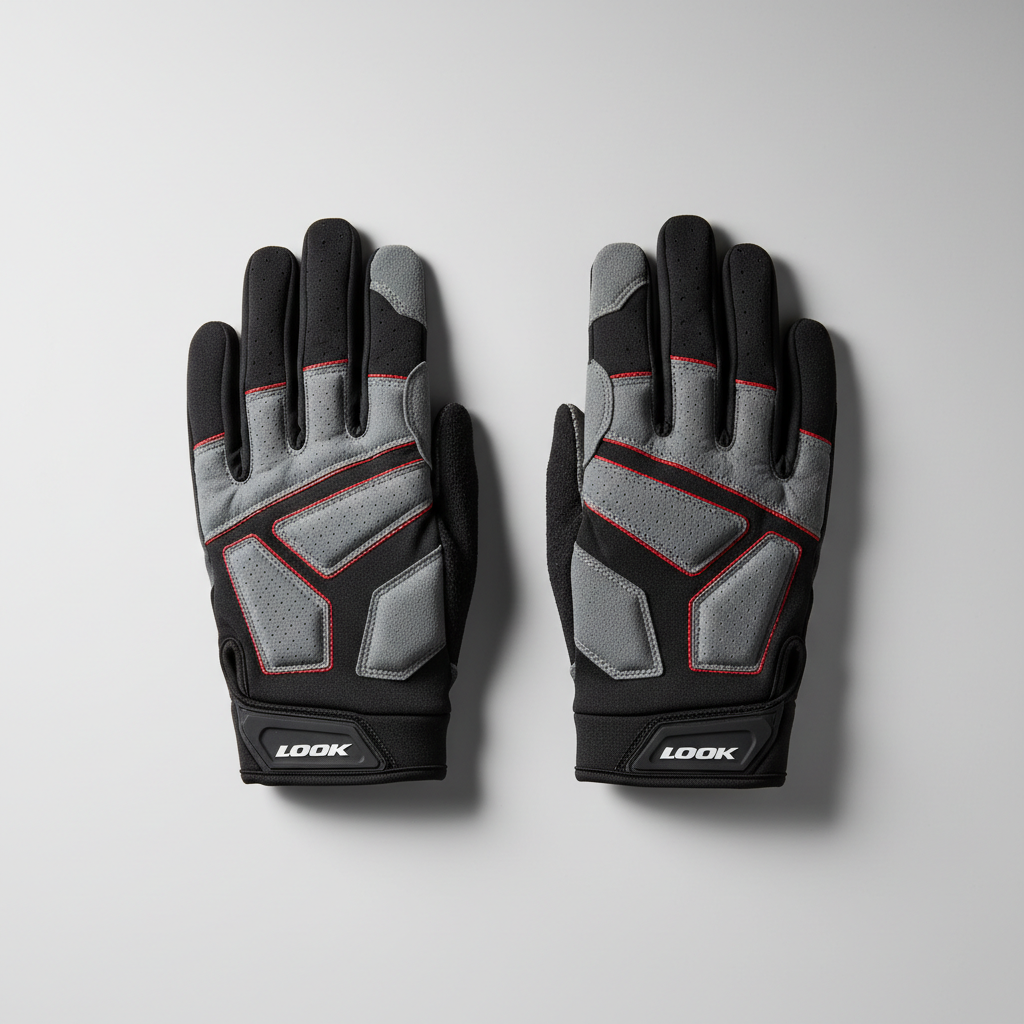
Quick comparison table: pick the right glove style for your rides
If you are choosing between half-finger and full-finger, or unsure how much padding you need, this table narrows it down.
| Ride type | Most common hand issue | Glove style that often works | What to prioritize |
|---|---|---|---|
| Road endurance (2–6 hrs) | Numbness, pressure points | Half-finger or light full-finger | Targeted padding, snug palm, sweat-wicking |
| Gravel (mixed surfaces) | Vibration fatigue, blisters | Full-finger (often) or padded half-finger | Durable palm, stable padding, secure grip |
| Touring/bikepacking | All-day rubbing, wet conditions | Full-finger or tough half-finger | Durability, fast-dry materials, easy on/off |
| Indoor long sessions | Sweat slip, skin irritation | Half-finger | Breathability, washable build, grip when wet |
A self-check checklist before you buy (or blame your bars)
Before shopping, identify what is actually happening. This takes two minutes and saves you from buying the wrong “upgrade.”
- Tingling in ring/pinky fingers: Often pressure near the ulnar side of the palm, sometimes worsened by too-thick padding or bars rotated awkwardly.
- Hot spot under the thumb pad: Common when the glove palm bunches, or when you rest heavily on the hoods with a long reach.
- Blisters or rubbed patches: Usually friction from movement, sweaty palms, or seams. More padding rarely fixes friction.
- Grip feels insecure when sweating: Palm material issue, or glove slightly too big so it twists under load.
- Pain only on one hand: Could be fit asymmetry, lever position, or an old injury. If symptoms persist, consider asking a bike fitter or clinician.
Key point: If your glove shifts when you lightly twist your hand on the grip, it will shift a lot after three hours. Size down or choose a different pattern.
How to choose the best cycling gloves for long distance (step-by-step)
In many cases, you can pick the right pair by testing fit and contact points like you would test a saddle, with pressure and time, not just standing around.
Step 1: Decide your padding target
- If you ride smooth roads: Lighter padding often feels better because your hand stays “connected” to the bar without extra bulk.
- If you ride chipseal or gravel: Moderate padding plus a stable palm fabric tends to work, especially if you already run thicker bar tape.
- If you get numbness easily: Try targeted padding and avoid gloves that feel like a sponge across the whole palm.
Step 2: Get sizing right (this is where people miss)
Measure your hand, then treat the size chart as a starting point, not a promise. Brands vary. A long-distance glove should feel snug across the palm without cutting circulation.
- Make a fist, open your hand, then grab an imaginary bar. If you see palm wrinkles, the glove is too big or the pattern does not match your hand.
- Check fingertip seams. If they sit on your nail bed or press into the tip, that irritation can become a problem late in a ride.
Step 3: Match glove type to conditions
- Hot weather: Prioritize vented backs, lighter colors, sweat-wipe panels on the thumb.
- Cold mornings or shoulder season: A light full-finger glove can be more comfortable than “heavy padding,” because you stop over-gripping when hands stay warm.
- Frequent rain or high humidity: Fast-dry synthetics often beat leather-like palms. Consider carrying a second pair on all-day rides.
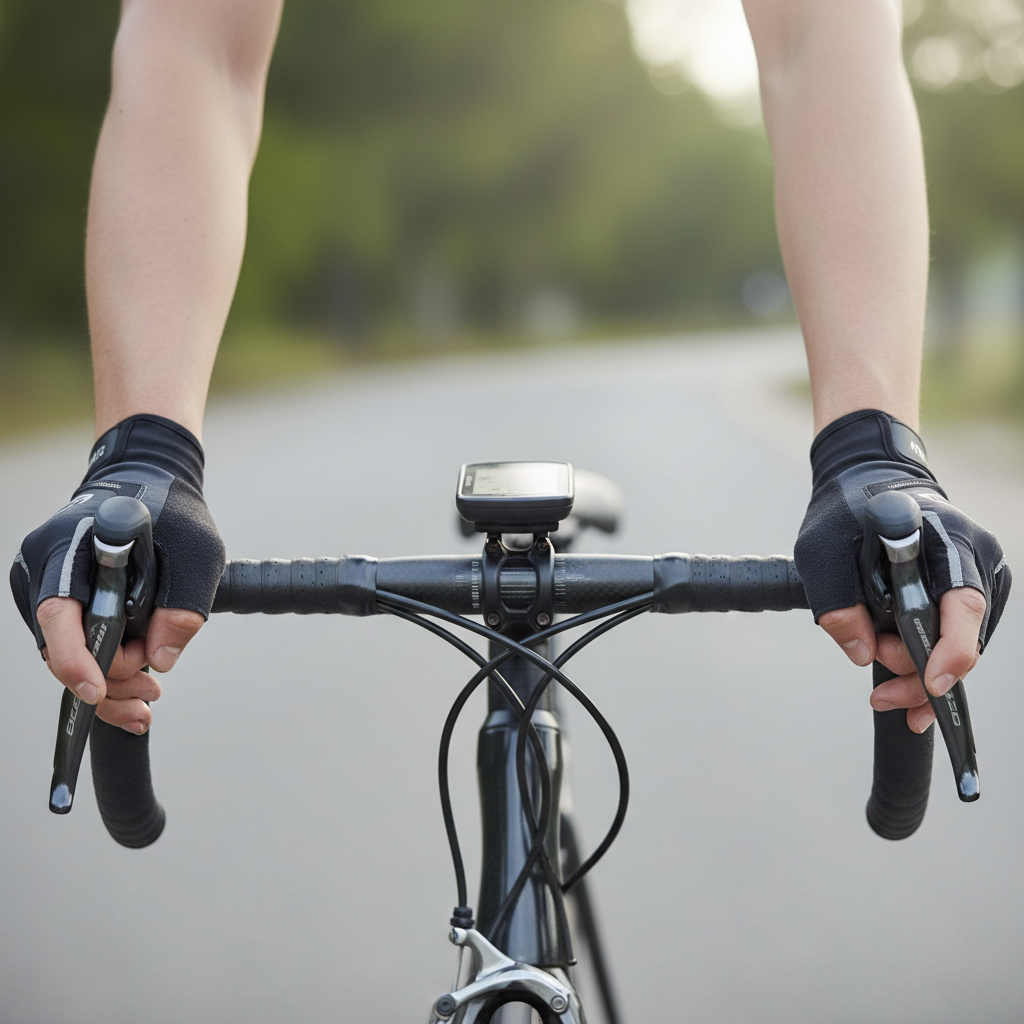
Practical comfort upgrades that make gloves work better
Sometimes the “best cycling gloves for long distance” still fail if the rest of the contact points are off. The good news, a few tweaks often make a noticeable difference.
- Re-wrap or upgrade bar tape: Better tape can reduce vibration so you do not need overly padded gloves.
- Check hood and lever angle: If wrists cock upward, you dump weight into the palm. Small adjustments can reduce pressure.
- Vary hand positions on purpose: Even great gloves cannot beat staying locked in one position for hours.
- Lower tire pressure within safe limits: Especially on gravel, less harshness means less hand fatigue. If unsure, ask a local shop or follow tire maker guidance.
- Wash gloves regularly: Salt and grime stiffen fabric and increase rubbing. Air-dry to protect materials.
According to the National Highway Traffic Safety Administration (NHTSA), maintaining safe control of your vehicle is fundamental for road safety. For cycling, gloves that keep grip consistent when you sweat or hit rough sections support that control, even if they are not the only factor.
Common mistakes (and what to do instead)
- Buying maximum padding to fix numbness: More cushion can increase pressure depending on how it compresses. Try targeted padding and check bar setup.
- Ignoring seam placement: If you feel seams in the shop, you will really feel them later. Choose smoother interiors.
- Choosing “durable” palms that get slick: Some tough materials lose grip when wet. Prioritize texture and proven grip patterns.
- Wearing worn-out gloves too long: Flattened padding and stretched palms often cause new hot spots, even if the glove used to be fine.
When to consider professional help
If you have persistent numbness, weakness, or pain that lasts after rides, it may be more than equipment. A reputable bike fitter can check reach, bar rotation, hood position, and saddle setback, all of which affect hand load. If symptoms include night numbness, sharp shooting pain, or loss of grip strength, consider speaking with a healthcare professional for personalized guidance.
Conclusion: what to buy when you want comfort past mile 50
The best picks for long mileage usually share a few traits: stable, targeted padding, a snug palm that never twists, and materials that keep grip when damp. If you remember one rule, buy for fit and pressure placement first, then worry about extras like touchscreen fingertips or flashy logos.
If you are shopping this week, start by identifying your main problem (numbness, blisters, sweat slip), then use the checklist above to narrow styles and sizing. Try them on like you ride, hands curved, light pressure, and do not ignore small irritations, long distance turns small into loud.