
Sports Nutrition is often the difference between “I trained hard” and “I trained well,” especially when energy dips mid-session, recovery drags, or you feel hungry at the wrong times.
A lot of athletes don’t need a complicated meal plan, they need a few reliable rules: what to prioritize, how to time it, and how to adjust on heavy training weeks versus lighter ones. Once those basics click, performance and consistency usually get easier.

This guide focuses on practical building blocks: macronutrients, hydration, timing, supplements that may be worth considering, plus a quick self-check so you can spot what’s actually holding you back. If you have medical conditions, food allergies, or a history of disordered eating, it’s smart to loop in a qualified professional early.
What Sports Nutrition actually covers (and what it doesn’t)
At its core, fueling for sport aims to support training quality, recovery, and long-term health. That usually means balancing energy intake with training load, keeping hydration steady, and meeting protein and micronutrient needs without turning eating into a second job.
What it doesn’t do: replace sleep, fix poor training structure, or magically “lean you out” without tradeoffs. Many athletes chase body composition changes and accidentally underfuel, then wonder why workouts feel harder and injuries pop up.
- Performance: stable energy, better repeat efforts, fewer “bonks.”
- Recovery: less lingering soreness, better training consistency.
- Health: fewer nutrient gaps that can show up as fatigue or low mood.
The big three: carbs, protein, and fats (how athletes should think about them)
Most confusion comes from treating macros like moral labels. For athletes, macros are tools. Your sport and training phase determine which tool matters most that day.
Carbohydrates: your training “gas”
Carbs are the primary fuel for higher-intensity work and longer sessions. If you consistently train hard while keeping carbs too low, you may notice heavy legs, poor intervals, and a stronger craving for sweets later.
- Good everyday options: oats, rice, potatoes, pasta, fruit, whole-grain bread.
- Training-friendly options: bananas, pretzels, sports drinks, gels, low-fiber bars.
Protein: recovery, muscle repair, and staying resilient
Protein supports muscle protein synthesis, meaning it helps repair and build tissue after training. According to the International Society of Sports Nutrition, athletes often benefit from distributing protein across the day rather than “saving it” for one huge dinner.
- Simple target behavior: include a protein source at most meals.
- Common choices: Greek yogurt, eggs, chicken, fish, lean beef, tofu, tempeh, beans, whey or soy protein.
Fats: hormones, satiety, and long-term energy
Fats help with hormone function and keep meals satisfying, but very high-fat meals right before hard training can feel heavy for many people. Think “enough, not extreme.”
- Helpful sources: olive oil, avocado, nuts, seeds, salmon.
- Watch timing: go easier on heavy fats in the 1–3 hours pre-workout if your stomach tends to complain.
Hydration and electrolytes: the most ignored performance lever
Many athletes blame nutrition when the real issue is dehydration, especially in hot gyms, summer runs, or long practices. Even mild dehydration can make effort feel higher than it should.
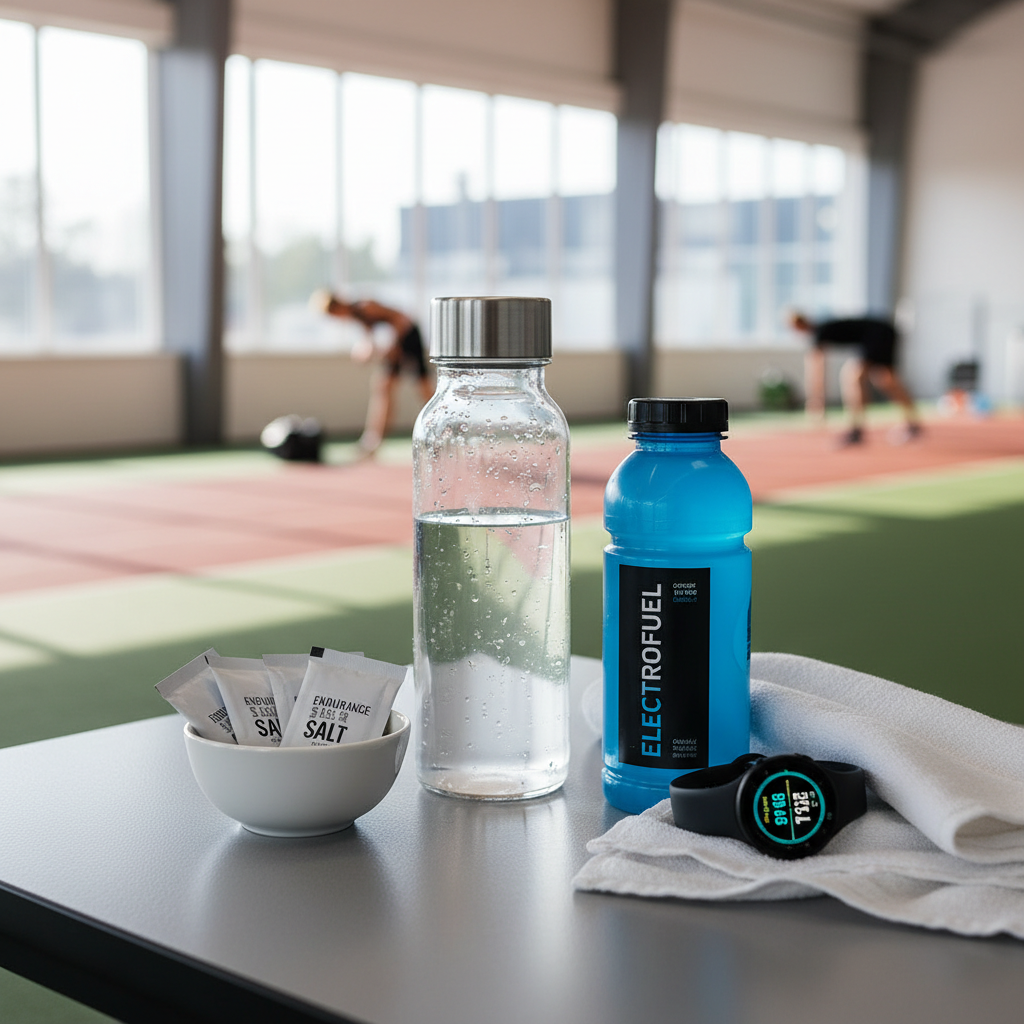
According to the American College of Sports Medicine, hydration planning should consider sweat rate, exercise duration, and environmental conditions. In real life, you don’t need a lab test to start improving.
- Baseline: aim for pale yellow urine most of the day, not perfectly clear all day.
- During longer sessions: add electrolytes if you sweat a lot, train in heat, or cramp frequently.
- After training: replace fluids gradually, and include sodium with meals if you tend to salt-streak your clothes.
If you have high blood pressure, kidney disease, or take medications that affect fluids, electrolyte strategies should be discussed with a clinician.
Fuel timing that actually matters (pre, during, post)
Timing doesn’t need to be obsessive, but it can smooth out energy and improve the quality of key workouts. Think of this as “reduce avoidable suffering.”
Pre-workout (about 1–3 hours before)
Most athletes do well with carbs plus a little protein, and lower fiber if the session is intense. If you train early, a smaller snack is still better than going in empty for many people.
- Examples: bagel + yogurt, rice + eggs, banana + protein shake.
- If you get GI issues: choose lower-fiber carbs and keep fat moderate.
During training (mainly for longer or harder work)
For sessions that run long or include repeated high-intensity efforts, intra-workout carbs can keep output steadier. According to the Academy of Nutrition and Dietetics, carbohydrate intake during prolonged exercise can support endurance performance for many athletes.
- Practical options: sports drink, gel, chews, banana, simple bar.
- If you’re new to this: start small and practice in training, not on race day.
Post-workout (within a couple hours)
You’re not racing a stopwatch, but delaying food for too long can make it harder to hit daily needs. A mixed meal with carbs and protein is typically enough, especially after heavy sessions.
- Examples: burrito bowl, turkey sandwich + fruit, tofu stir-fry + rice.
Quick self-check: what’s most likely holding you back?
If you’re unsure what to change, use this short checklist. You only need to fix the biggest limiter, not everything at once.
- Energy crashes mid-workout: often under-fueling carbs, poor pre-workout snack, or hydration gaps.
- Constant soreness: may be low total calories, inconsistent protein, or sleep debt.
- Cramping or headaches: may be hydration/electrolytes, heat, or pacing issues.
- Stomach issues: timing, fiber/fat too close to training, or untested gels.
- Plateau despite hard work: training plan, recovery, and total intake may be mismatched.
If you’re losing your period, noticing hair loss, or feeling unusually cold and fatigued, consider underfueling as a serious possibility and seek professional support.
A simple athlete plate: what to eat on easy days vs hard days
This is where Sports Nutrition becomes manageable: you scale portions based on training demand. Not perfect, just consistent.
| Day type | Carbs | Protein | Fats | Notes |
|---|---|---|---|---|
| Hard/long session | Higher | Steady | Moderate | Plan a pre-workout snack, consider carbs during if long. |
| Moderate training | Moderate | Steady | Moderate | Focus on consistent meals, avoid long gaps without food. |
| Rest/easy day | Lower to moderate | Steady | Moderate | Keep protein consistent, add fiber and healthy fats. |
What “higher” or “lower” means depends on body size, sport, and goals. If you’re training twice a day, even “rest days” can require more carbs than you expect.
Supplements: what’s usually worth considering, and what to skip
Supplements can help, but they’re rarely step one. Get your basics right, then consider targeted additions. According to the U.S. Food and Drug Administration, dietary supplements are not regulated like medications, so quality and labeling can vary, choosing third-party tested products is a common safety step.
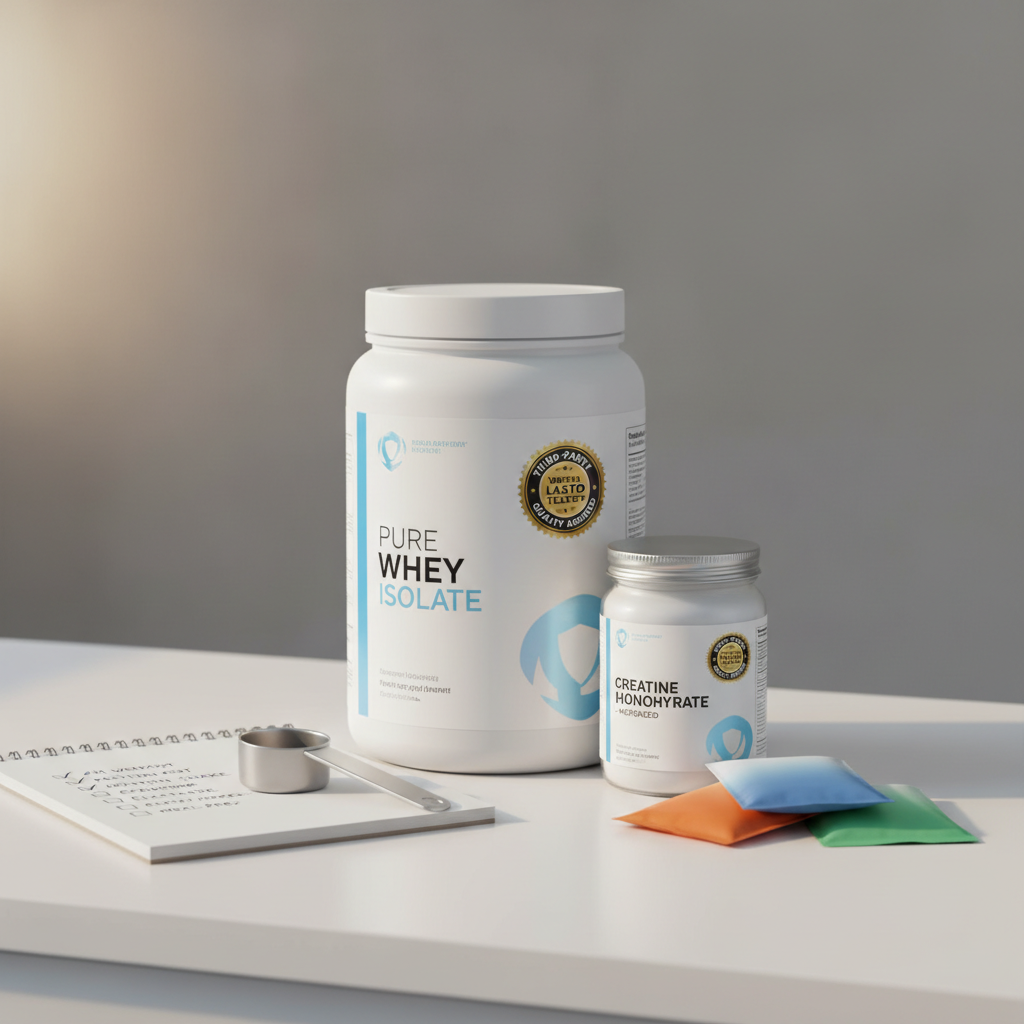
Often considered (depending on sport, diet, and tolerance):
- Protein powder if hitting protein via food is tough, convenience matters.
- Creatine monohydrate for strength/power athletes, and sometimes team-sport athletes, discuss with a professional if you have kidney concerns.
- Caffeine for performance, but it can worsen anxiety, sleep, reflux, or GI issues.
- Electrolytes for heavy sweaters or hot environments.
Usually not worth chasing as a first move: fat burners, “detox” products, or complicated stacks with unclear dosing. If a label reads like a chemistry exam, it’s fair to be skeptical.
Key takeaways and a realistic next step
If you want one clean direction: anchor meals with protein, scale carbs to your training, and treat hydration like training equipment, not an afterthought. That trio covers a surprising amount.
- Pick one change for the next 7 days, like a consistent pre-workout snack or adding electrolytes on long sessions.
- Track outcomes in plain language: energy, soreness, sleep, hunger, and workout quality.
- Adjust, don’t overhaul, especially when training volume shifts.
If you want a smoother start, write down your typical training week, then match your meals to it. Sports Nutrition works best when it follows your actual life, not an ideal schedule.
FAQ
How do I know if I’m underfueling for my sport?
Common signs include persistent fatigue, declining performance, intense cravings at night, poor recovery, or feeling unusually cold. These can also overlap with stress or sleep issues, so if symptoms persist, consider talking with a sports dietitian or clinician.
What should I eat right before an early-morning workout?
If you tolerate food, a small carb-focused snack often helps, think banana, toast, or a sports drink. If your stomach prefers nothing, prioritize fueling soon after and consider a small sip of carbs during longer sessions.
Do athletes really need carbs, or can I train low-carb?
Some athletes do fine with lower-carb approaches in certain phases, but higher-intensity training and many team sports typically rely heavily on carbs. If your workouts feel flat or you dread intervals, increasing carbs around training is a reasonable experiment.
How much protein do I need per meal?
A practical approach is a palm-sized portion at meals (more for larger bodies or heavy training), plus a protein-rich snack if needed. Exact numbers vary, and a dietitian can personalize targets if you want precision.
Should I use electrolytes for every workout?
Not always. Many shorter, cooler sessions do fine with water and normal meals. Electrolytes tend to matter more for long sessions, heat, heavy sweating, or when cramps and headaches show up regularly.
Are supplements safe for competitive athletes?
They can be, but contamination risk is real. Many athletes choose products with third-party testing and avoid proprietary blends. If you’re subject to drug testing, it’s wise to consult a qualified sports professional about safer options.
What’s the simplest way to improve recovery this week?
Eat a solid post-workout meal, keep protein consistent across the day, and don’t let hydration slide. If you’re training hard, going to bed 30–60 minutes earlier can matter as much as any nutrition tweak.
If you’re trying to dial in training energy, race-day fueling, or a body-composition goal without wrecking performance, it may help to get a simple plan tailored to your schedule, preferences, and sport, even a few targeted adjustments can make your nutrition feel much more effortless.