
Best Road Bike Tires 2026: How to Choose What Actually Fits Your Ride
The best bike tire for road riding is the one that matches your roads, your wheel setup, and what you care about most, speed, comfort, flat protection, or all-around balance.
If you have ever bought a “top-rated” tire and still felt slow, harsh, or constantly worried about punctures, it usually comes down to mismatched width, casing, or pressure rather than the brand name.
This guide focuses on the real decisions that matter in 2026: tubeless vs tubes, wider modern road tires, wet grip tradeoffs, and how to choose without overthinking it. You will also get a quick comparison table, a fit check, and practical setup tips.
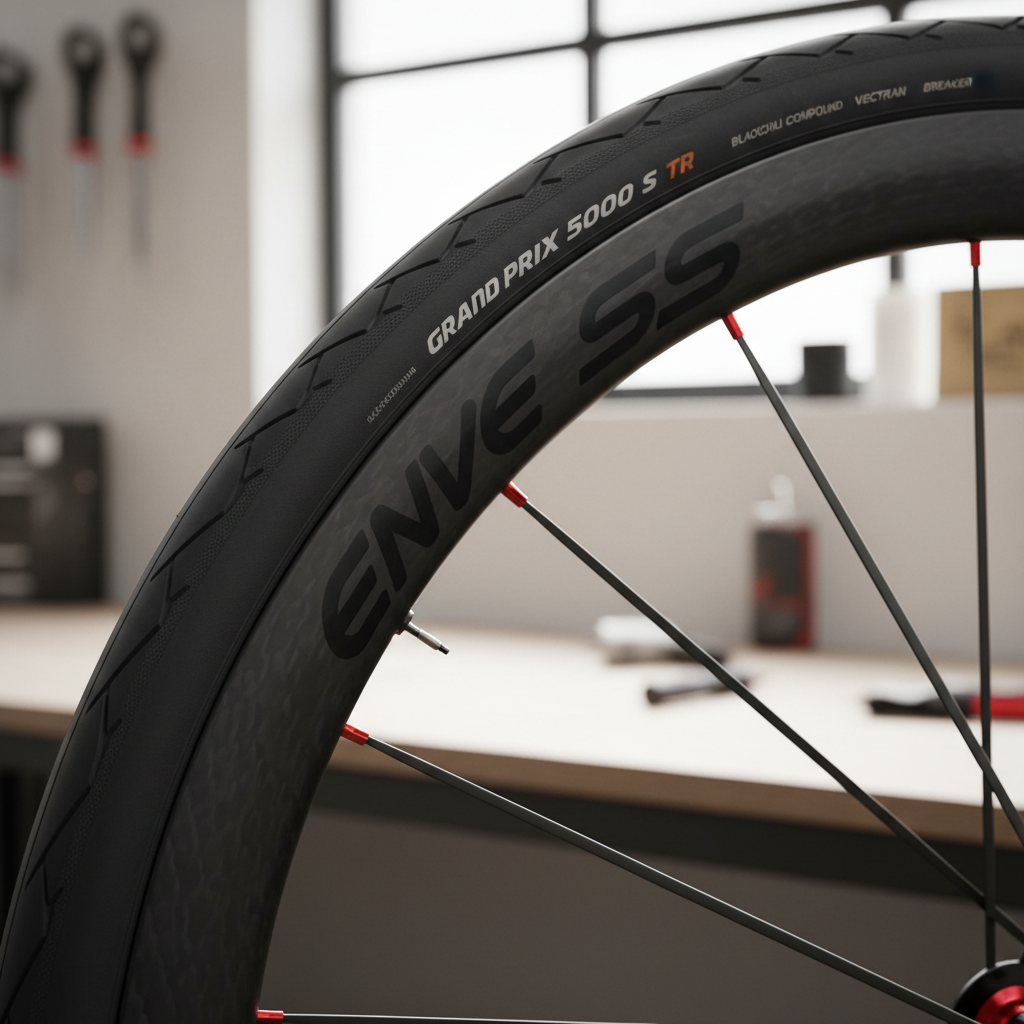
What changed with road bike tires heading into 2026
Road tires keep getting wider, and for many riders that has been the biggest “free upgrade” in feel and control. A 28 mm tire now sits where 25 mm sat a few years ago, and 30–32 mm has become normal for endurance and rough pavement.
Tubeless has also matured. Sealants and rims improved, but it still is not automatic “better” for everyone, especially if you hate maintenance or your local shop support is limited.
According to ETRTO (European Tyre and Rim Technical Organisation) and ISO tire and rim standards, tire size labeling and rim compatibility matter, in plain English, that means you should match tire width to internal rim width so handling stays predictable and the tire seats safely.
Quick comparison table: pick a tire style before you pick a model
Most people shop by brand and compound, but you will get closer to the best bike tire for road riding by choosing the category that fits your use first.
| Riding style | Typical width | Best for | Tradeoffs to expect | Common setup |
|---|---|---|---|---|
| Race / fast group rides | 26–28 mm | Speed, quick steering | Less comfort on broken roads | Tubeless or latex tubes |
| All-around road | 28–30 mm | Balanced speed + comfort | Heavier than pure race tires | Tubeless or butyl tubes |
| Endurance / rough pavement | 30–32 mm | Comfort, confidence, fewer pinch flats | Might not fit tight race frames | Tubeless strongly favored |
| Wet-weather priority | 28–32 mm | Grip, predictable braking | Often faster wear, softer rubber | Either, but careful pressure |
| Commuting / training durability | 28–35 mm | Puncture protection, long life | Feels slower, less “lively” | Usually tubes |
What makes a road tire “best” in real life
1) Casing feel: why some tires feel fast even at the same pressure
Casing is the tire’s fabric structure. A more supple casing usually rides smoother and can feel faster on imperfect roads because it conforms instead of bouncing.
The catch is durability. Very light casings often cut easier, so if your roads are full of debris, that “race” option may cost you time and frustration.
2) Rubber compound and wet grip
Better compounds typically grip more in the wet and corner with less drama, but many of them wear quicker, especially if you brake hard, ride in grit, or do lots of stop-and-go.
For wet conditions, look for a tire line known for predictable traction, and pair it with a slightly wider size so you do not rely on high pressure.
3) Flat protection: what matters more than the marketing layer
Puncture belts can help, but your odds of flats often come down to three things: the roads you ride, the pressure you run, and whether your setup avoids pinch flats.
If you routinely get tiny punctures from thorns or wire, tubeless with sealant may reduce mid-ride interruptions. If you get sidewall cuts, you likely need a tougher casing regardless of tubes or tubeless.
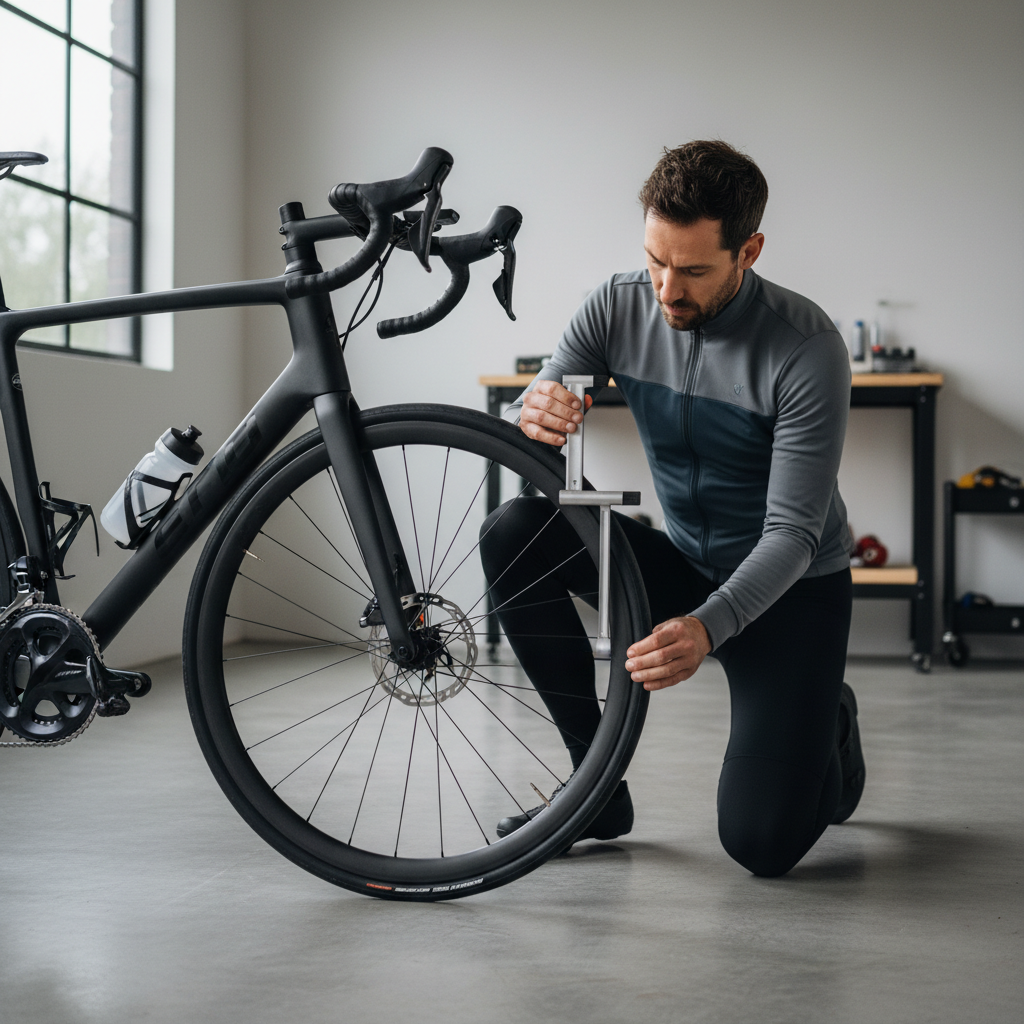
Self-check: which road tire setup fits you best
Use this quick checklist before you spend money. It saves you from buying a “best of 2026” tire that does not match your bike or roads.
- Frame and fork clearance: Can you fit 28, 30, or 32 mm with room for debris and wheel flex? If you are unsure, ask your bike shop to measure.
- Rim type: Hooked vs hookless, tubeless-ready vs not. Hookless rims can have strict tire compatibility and pressure limits.
- Your roads: Smooth asphalt, chip seal, or broken pavement changes the “fastest” choice.
- Your flat pattern: Pinch flats, tiny punctures, or sidewall cuts point to different fixes.
- Ride goals: PRs and fast group rides tolerate more risk, commuting usually does not.
If you check three or more boxes in the “rough roads, flats, comfort” direction, a wider all-around or endurance tire usually beats an ultra-light race tire, even if the race tire tests faster in a lab.
Recommended picks by scenario (how to shop without chasing hype)
Instead of pretending there is one best bike tire for road riding, here are the most common buying situations, and what tends to work.
Fast group rides and racing
- Width: 26–28 mm for many riders, 28 mm if your roads are not perfect.
- Construction: supple casing, minimal but not zero protection.
- Setup tip: if you stay with tubes, consider latex tubes for feel, but plan for more frequent pressure checks.
All-around road riding (most riders)
- Width: 28–30 mm is a safe modern default if your frame allows.
- Construction: balanced casing with a reliable puncture layer.
- Who it suits: riders who want one tire that does not punish them on chip seal.
Endurance, comfort, and rough pavement
- Width: 30–32 mm, sometimes 34–35 mm on “all-road” frames.
- Construction: tubeless-ready casing that tolerates lower pressures.
- Reality check: if your bike tops out at 28 mm, you can still improve comfort by dropping pressure and choosing a more supple casing.
Wet-weather priority
- Width: 28–32 mm with a compound known for wet traction.
- Setup tip: avoid over-inflation, too much pressure reduces contact patch and can feel sketchy on slick pavement paint.
Training durability and commuting
- Width: 28–35 mm, depending on your bike.
- Construction: higher puncture protection, thicker tread.
- Expectation: they can feel slower, but they often save you time by reducing roadside stops.
Practical setup: width, pressure, and tubeless decisions
Choose width based on clearance and roads, not ego
On real American roads, wider tires often feel faster because you stay fresher and hold speed over rough sections. If you can fit 30 mm safely, it is worth considering even for sporty riding.
Pressure: start conservative and adjust in small steps
Pressure is where most people miss easy gains. Too high feels harsh, reduces grip, and can increase fatigue. Too low can feel squirmy and may risk rim strikes.
- Baseline: start with manufacturer guidance, then adjust 2–3 psi at a time.
- Heavier riders: often need more pressure, but not always as much as they think if they move to 30–32 mm.
- Hookless rims: respect rim and tire pressure limits, and double-check compatibility.
According to SRAM and Silca pressure guidance resources, optimal pressure depends on system weight, tire size, rim width, and surface, which is why copying a friend’s psi rarely works.
Tubeless vs tubes: a realistic call
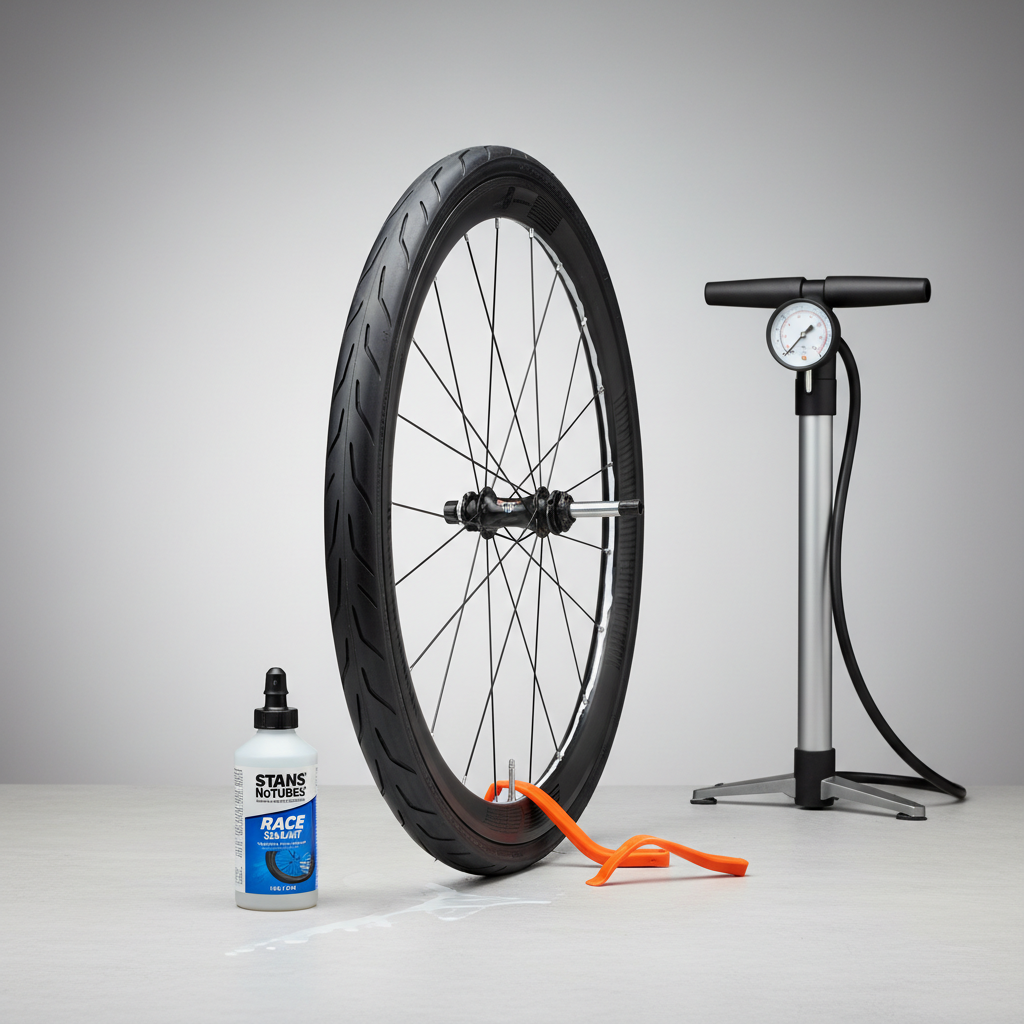
- Tubeless makes sense if you ride debris-prone shoulders, hate small punctures, and can handle sealant refresh and occasional mess.
- Tubes make sense if you prioritize simple roadside fixes, travel often, or run wheels that are not tubeless-friendly.
If you go tubeless, plan a short “shakeout” ride near home after installation, seating issues usually show up early, not 40 miles out.
Common mistakes that waste money (and how to avoid them)
- Buying the lightest tire for bad roads: you may pay with cuts, frequent swaps, and lost confidence in corners.
- Ignoring measured width: a “28 mm” can measure 29–31 mm depending on rim internal width, which can cause clearance rub.
- Over-inflating for speed: many riders feel faster for five minutes, then fatigue builds and grip drops.
- Mixing incompatible tubeless parts: rim tape, valves, and tires need to match, when in doubt, use a known system from one brand family or ask a shop.
- Replacing only one tire too late: front grip matters for safety, if the front is squared off or cracked, replace it even if the rear “still rolls.”
According to NHTSA general roadway safety guidance, traction and predictable handling reduce crash risk, on a bike, that translates to keeping tires in good condition and choosing a setup that grips in your real riding conditions.
Key takeaways + how to decide in 5 minutes
- Most riders land happiest at 28–30 mm with a balanced casing and sensible pressure.
- Race tires shine on cleaner roads, if your pavement is rough, a slightly wider all-around tire often feels quicker overall.
- Tubeless helps with small punctures, but it asks for maintenance, do it because it fits your life, not because it is trendy.
- Compatibility matters, especially with hookless rims and real-world measured tire width.
If you want one simple move: check your clearance, move up one width category if you can, then dial pressure down gradually until handling stays crisp but the ride stops feeling harsh.
Conclusion: the “best” tire is the one you can trust week after week
The best bike tire for road riding in 2026 usually is not a single magic model, it is a smart match of width, casing, and setup for your roads and goals. If your rides include chip seal, broken shoulders, or unpredictable weather, prioritize a balanced tire in a modern width and spend extra attention on pressure.
Pick your category from the table, confirm clearance and rim compatibility, then commit to a setup for a few rides before judging it, most improvements show up after you stop fiddling and start riding.