
best bike parking rack for home shopping usually starts after you trip over handlebars one too many times, or notice wall scuffs, bent rotors, and a garage that somehow got smaller overnight. The good news, you do not need a fancy “bike room” to store bikes neatly, you just need the right rack type for your space and your bikes.
This guide focuses on what actually matters in American homes: limited wall studs, rental restrictions, kids’ bikes mixed with adult bikes, e-bikes getting heavier, and climates that push people to store bikes indoors part of the year. I’ll walk through how to choose, where people misjudge fit, and how to install without regret.
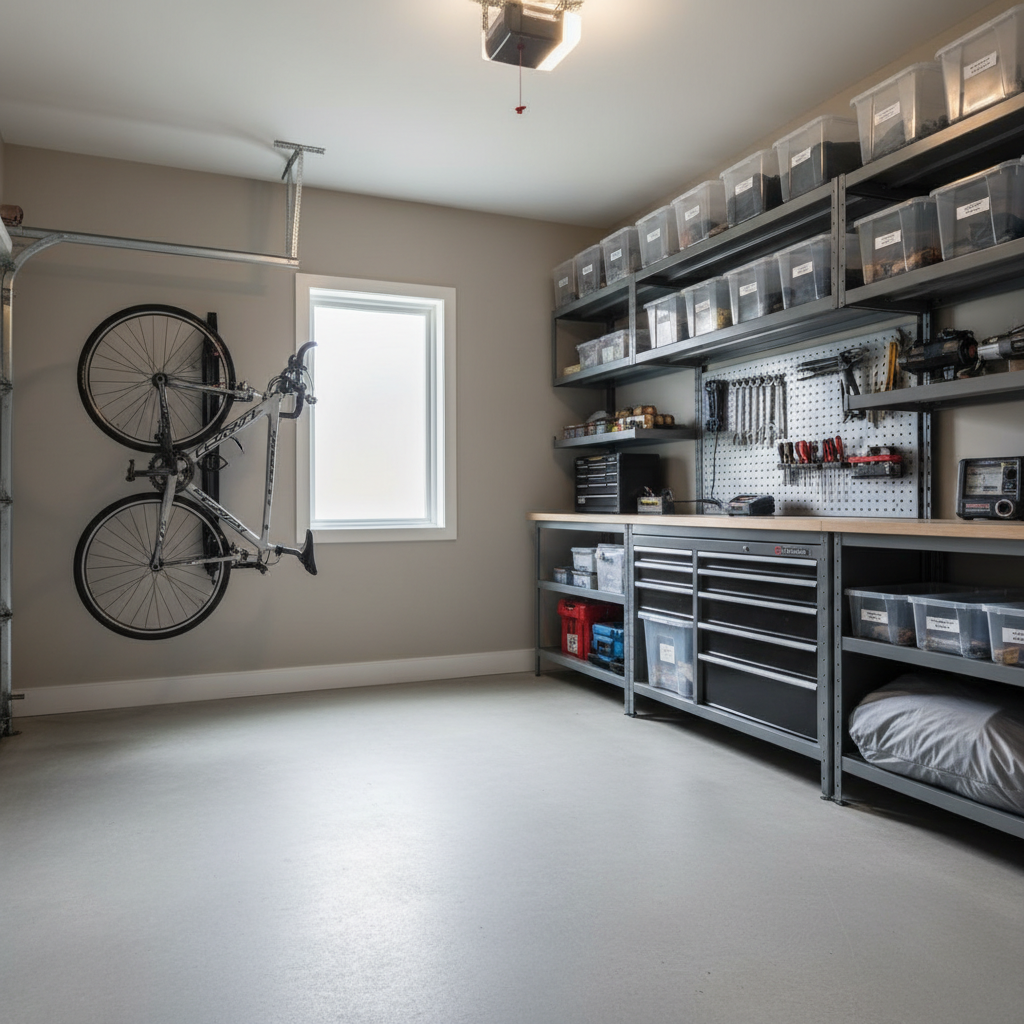
If you want the quick headline: the “best” rack is the one that matches your available wall or floor footprint, supports your heaviest bike safely, and fits your daily routine. A rack that looks great online but blocks your car door or forces awkward lifting tends to become expensive clutter.
What counts as “best” for a home bike parking rack in 2026
Most buyers get pulled into brand names or maximum capacity, but at home the decision is more practical. Think in three filters: space, bike weight, and how often you move bikes.
- Space reality: garages favor floor racks and wall hooks, apartments often need vertical solutions, and narrow hallways usually call for a slim freestanding stand.
- Bike mix: road bikes tolerate many hook styles, but carbon rims, hydraulic brakes, and fenders can make certain hooks annoying or risky.
- Frequency: daily riders do better with “roll-in, roll-out” racks; seasonal storage can handle higher lift or tighter stacking.
Safety is part of “best” too. According to CPSC (U.S. Consumer Product Safety Commission), consumers should follow manufacturer instructions and use products as intended to reduce tip-over and injury risks, which is especially relevant when bikes get stored at head height or over vehicles.
Common home storage scenarios (and why racks fail there)
Here are the patterns that cause most frustration, even with a decent rack.
- “Two bikes became four”: family growth makes compact solutions feel cramped fast. Plan for at least one extra slot if you can.
- E-bike weight surprise: many e-bikes are heavy enough that simple wall hooks become impractical, not unsafe by default, just annoying to use.
- Stud spacing and drywall limits: a lot of wall-mounted racks look simple until you realize the anchor points do not line up with studs.
- Handlebar conflicts: staggered heights matter. Without offset, bikes overlap and you end up rotating bars every time.
- Moisture and dirt: indoor storage saves bikes, but dirty tires and wet chains can damage floors and walls if the rack lacks trays or spacing.
One more thing people underestimate: clearance. The rack may fit the wall, but the bikes may not fit the “airspace” once pedals and bars are involved.
Quick self-check: pick the right rack type in 2 minutes
If you answer these honestly, you can narrow down the best bike parking rack for home without overthinking it.
- Where will the bikes live? garage, apartment, shed, hallway, or balcony
- How many bikes now, and likely next year?
- Heaviest bike weight? especially e-bike or cargo bike
- Can you drill into studs? homeowner yes, renter maybe not
- Do you need car clearance? door swing, parking depth, trunk access
- Do you hate lifting bikes? if yes, avoid high hooks
- Wheel/tire details: fat tires, fenders, deep rims, thru-axle setups
Rule of thumb: if you ride daily, prioritize ease over maximum density. If you store seasonally, prioritize stability and protection over speed.
Comparison table: which home bike rack style fits best
This is the fast way to match rack style to your home situation. “Best” depends on tradeoffs, not hype.
| Rack type | Best for | Pros | Watch-outs |
|---|---|---|---|
| Freestanding floor rack (wheel-in) | Garages, apartments, renters | No drilling, easy daily use, flexible | Needs floor footprint, can tip if bumped unless weighted |
| Wall hook (horizontal or vertical) | Small spaces, light bikes | Cheap, saves floor space | Lifting effort, drywall anchoring risk, bar/pedal clearance issues |
| Wall rail with movable hooks | Multiple bikes, families | Adjustable spacing, scalable | Install must hit studs or use a proper mounting board |
| Ceiling hoist | Seasonal storage, high ceilings | Maximizes space, keeps bikes out of the way | Not fun for daily rides, lifting mechanics matter |
| Vertical tension pole (floor-to-ceiling) | Apartments with minimal drilling | Small footprint, decent capacity | Ceiling height limits, stability depends on setup and floor surface |
How to choose the best bike parking rack for home (practical criteria)
Ignore “up to X bikes” marketing until you check your own constraints. These criteria tend to save people from returns.
1) Load rating and stability (especially for e-bikes)
A rack that holds a 25 lb road bike comfortably may struggle with a heavier commuter. Look for clear per-bike load ratings and a base that resists tipping when one bike is removed. If your heaviest bike is an e-bike, a floor rack or low-lift wall rail tends to be more livable.
2) Frame and wheel protection
Rubber-coated hooks, wide cradles, and tire trays matter more than they sound. Carbon frames and painted finishes scratch easily, and rotors can warp if the bike leans awkwardly. If you plan to store bikes inside living space, prioritize “touch points” that look gentle and predictable.
3) Clearance: handlebars, pedals, and doors
Measure the real envelope, not just wheelbase. A rack can fit a wall yet still block the path to your laundry room. Many households do better with staggered hook heights or angled trays that keep bars from fighting.
4) Install reality: studs, concrete, and rental rules
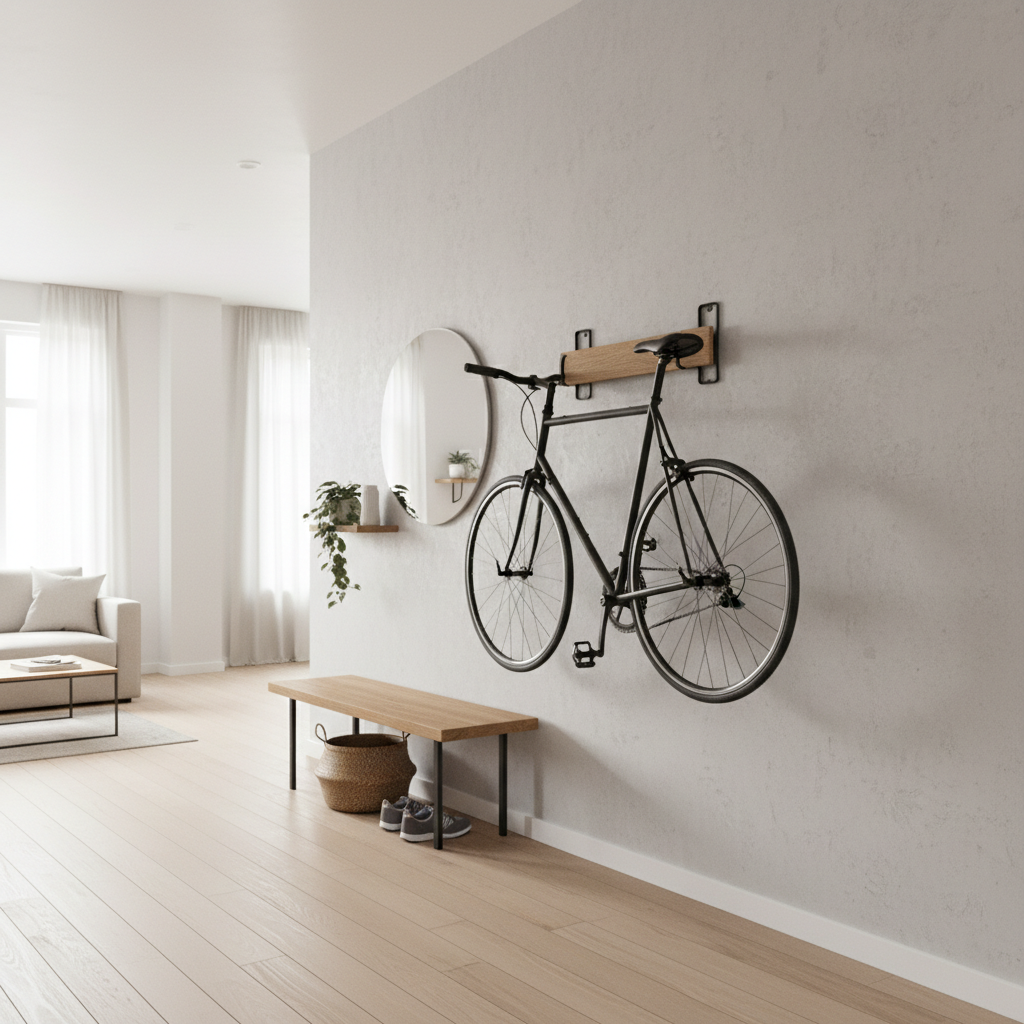
If you can hit studs, wall systems become much more appealing. If you cannot, lean into freestanding racks. According to FHA (Federal Housing Administration), housing guidance for renters and homeowners varies by property and agreement, so when you rent, it’s smart to confirm what modifications are allowed before drilling.
5) Daily flow
Some racks store bikes beautifully but force you to remove one bike to access another. If that will annoy you on weekday mornings, it’s not the best bike parking rack for home, even if it’s “space efficient.”
Setup and installation tips that prevent the usual headaches
This is the part people skip, then blame the rack. A little prep makes almost any decent product work better.
- Mark the parking zone: painters tape on the floor helps you see door clearance and walking paths before drilling.
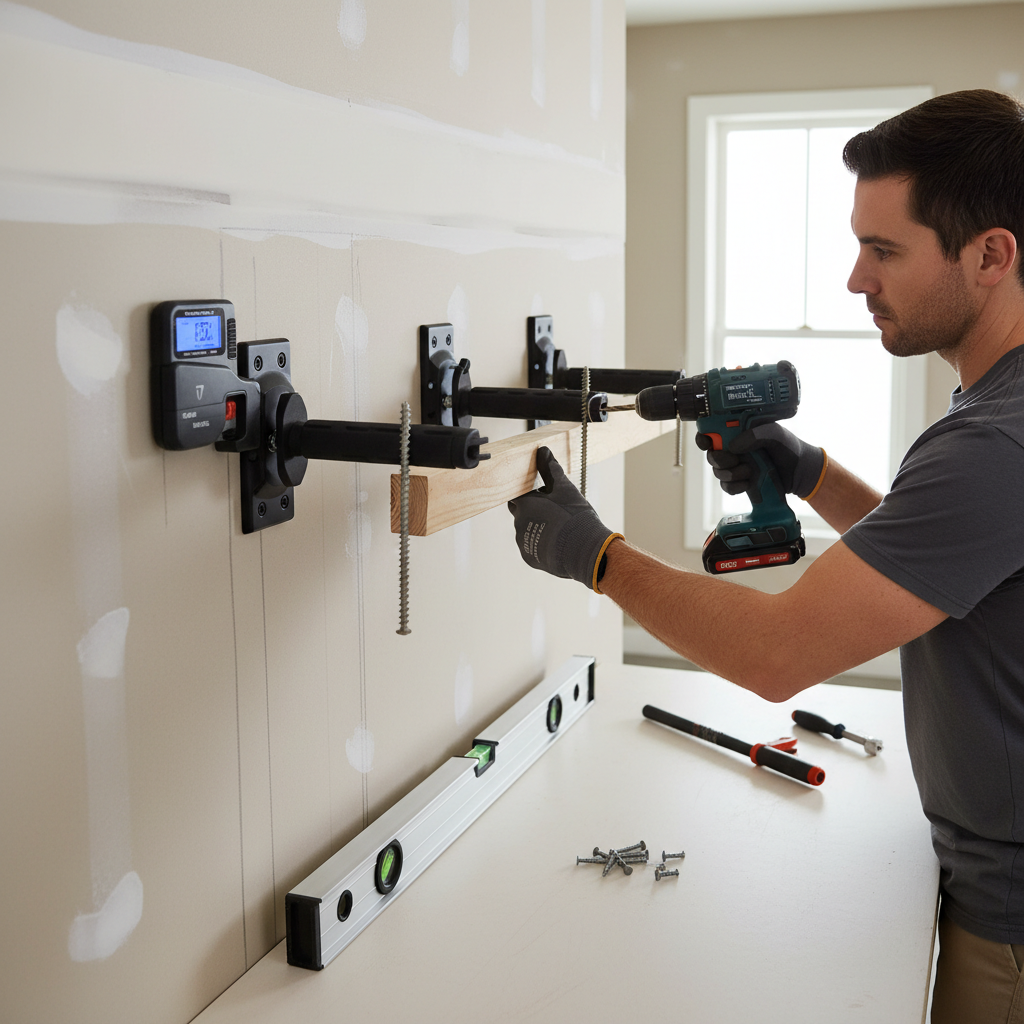
- Find studs properly: use a stud finder and confirm with a small pilot hole, especially in older walls.
- Use the right hardware: lag screws into studs for wall racks, masonry anchors for concrete. If you are unsure, ask a hardware store associate or a contractor.
- Stagger bikes: alternate front/rear wheel directions and vary hook heights to reduce bar conflicts.
- Protect surfaces: add a small mat or drip tray if bikes come in wet or dirty, it saves floors and reduces slips.
If kids use the rack, keep at least one “easy slot” at low height. In many homes, that single choice reduces dropped bikes and wall damage.
Mistakes to avoid (they cost more than the rack)
- Choosing storage density over usability: if you dread using it, bikes end up back on the floor.
- Relying on drywall anchors for heavy bikes: anchors can be fine in some applications, but for wall-hung weight, stud mounting is usually the safer path.
- Ignoring tire width and fenders: some trays and hooks do not play nicely with fat tires or full fenders.
- Storing bikes near heat sources: keep tires away from furnaces or water heaters when possible, heat can accelerate rubber aging.
- Overlooking security: in shared garages, you may want a rack that allows locking through the frame, not just the wheel.
Also, if you store bikes overhead, be honest about shoulder comfort and ladder safety. If mobility or balance is a concern, it may be worth asking a handy friend or a professional installer for help.
Key takeaways and a simple recommendation path
If you want a clean decision without spiraling into specs, use this shortlist.
- Renters or no-drill households: start with a stable freestanding floor rack, then scale up if the bike count grows.
- Families with 3+ bikes: a wall rail system with adjustable hooks usually stays useful as bikes change sizes.
- Small apartments: vertical storage that protects walls and requires minimal lifting tends to feel “worth it” fast.
- Heavy e-bikes: favor low-lift solutions and confirm per-bike load ratings.
The best bike parking rack for home is the one you actually use every day, keeps bikes upright without drama, and fits your space without turning storage into a new hobby. Pick the rack style that matches your home constraints, then spend ten extra minutes on spacing and hardware, that’s what makes it feel professional.
If you’re ready to buy, measure your wall or floor area, note tire width and the heaviest bike weight, then choose the simplest rack that meets those needs. You can always upgrade later, but getting the first setup “easy to live with” is the win.