
Yoga for relaxation works best when you stop chasing a “workout” feeling and start building a nervous-system-downshift, restorative yoga is one of the most reliable ways to do that at home.
If your mind runs at bedtime, your shoulders stay up around your ears, or you feel tired but still keyed up, restorative practice often fits better than fast flows, it uses long-held, supported poses to tell your body it can stand down.
You do not need to be flexible, you do need a setup that feels safe and comfortable, because the goal is less stretching and more settling. I’ll walk through what restorative yoga is, why it helps, how to choose poses, and a few short sequences you can actually repeat.
What restorative yoga is (and what it isn’t)
Restorative yoga is a slow practice where props support your body so muscles can soften, you hold shapes for several minutes with minimal effort, and you prioritize steady breathing over intensity.
It is not “doing nothing,” you’re training your attention and your ability to downshift, and that can feel surprisingly challenging at first. It also is not the same as yin yoga, yin often targets deeper connective tissue with stronger sensation, restorative aims for comfort and ease.
According to the National Center for Complementary and Integrative Health (NCCIH), yoga may help with stress management and can support overall well-being, but benefits vary, and it’s smart to adapt practice to your health status.
Why restorative yoga can feel so calming
Most people come to yoga for relaxation because they want their body to stop bracing, restorative supports that in a few practical ways.
- Less muscular demand, props reduce effort so your system can shift from “doing” to “recovering.”
- Longer holds, time matters, staying put helps your breathing slow down naturally.
- Gentle pressure and support, bolsters and blankets create a contained feeling that many people find grounding.
- Fewer decisions, once you’re set, you’re not constantly thinking about what comes next.
In real life, the biggest obstacle is comfort, if your neck strains or your low back feels pinchy, your brain won’t read the pose as restful, so setup is not a detail, it’s the whole point.
A quick self-check: is restorative the right choice today?
Use this list before you practice, it helps you pick the right intensity instead of forcing a routine that backfires.
- You feel mentally tired but physically restless, especially in the evening.
- Your breathing stays high in the chest, or you catch yourself holding your breath.
- You want yoga for relaxation, not a sweat session, and you can spare 15–30 minutes.
- You’re dealing with mild stiffness that improves with warmth and gentle support.
Choose a different approach or get guidance if you have sharp pain, recent injury, dizziness with lying down, uncontrolled blood pressure, or pregnancy considerations that need modifications, in those cases, a clinician or qualified yoga professional can help you practice safely.
Props and setup that make the difference
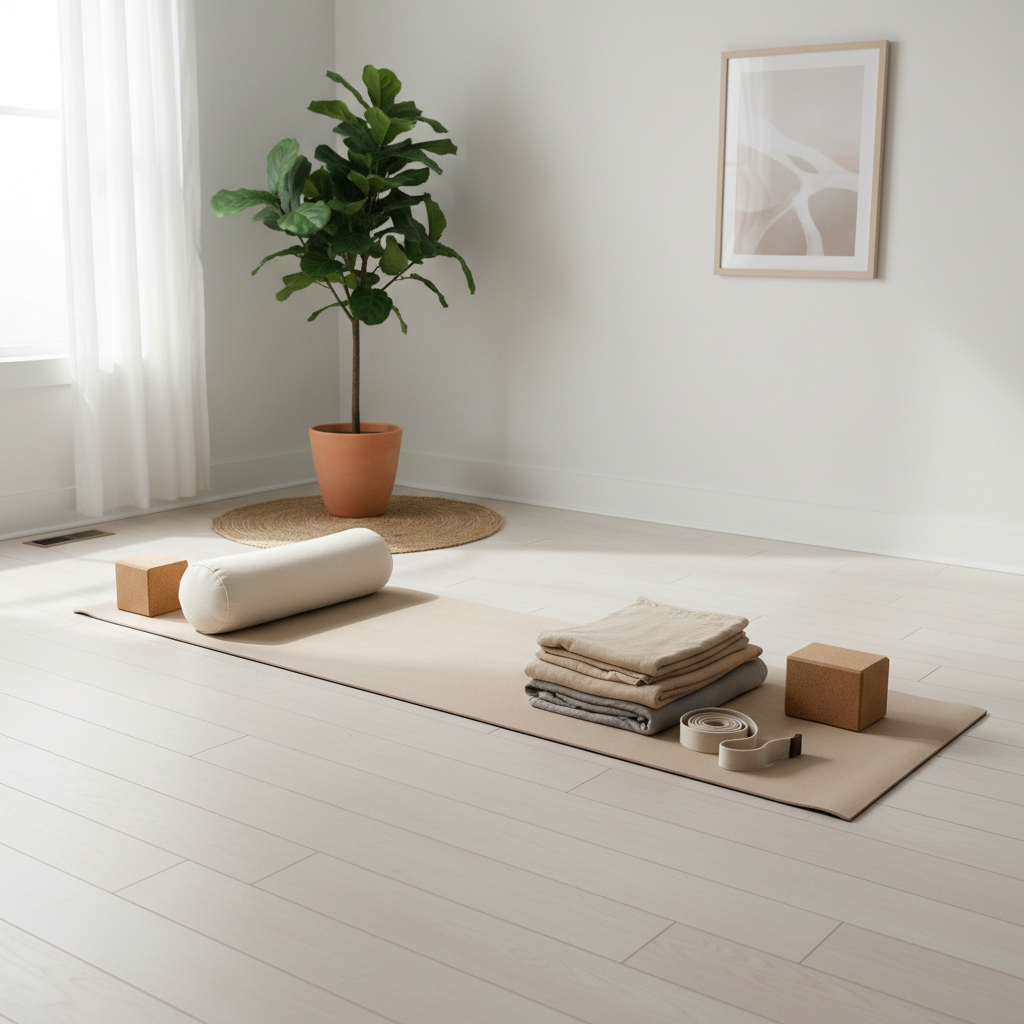
You can do restorative yoga with a bolster, two blocks, and a blanket, if you don’t have them, use a firm couch cushion, thick books, and a folded comforter, the goal is stable support that doesn’t collapse.
Here’s a practical way to think about props, they either raise the floor to meet you, or they remove effort you’d otherwise spend holding yourself up.
- Bolster or pillow: supports chest, knees, or hips so your spine can settle.
- Blanket: adds warmth, cushions joints, reduces fidgeting.
- Blocks/books: bring the ground closer, especially under hands or thighs.
- Eye pillow (optional): reduces visual input, helps the “always on” brain.
If you remember one rule, keep sensation at a “2–3 out of 10,” you should be able to breathe smoothly and unclench your jaw, if you can’t, change the setup.
Restorative poses that reliably support relaxation
These are common go-to shapes for yoga for relaxation, pick two or three, hold each 3–8 minutes, and keep transitions slow.
1) Supported Child’s Pose
Kneel with knees wide, place a bolster or stacked pillows lengthwise in front of you, fold forward and rest your torso and head on support, if ankles complain, put a blanket behind knees or under shins.
2) Reclined Bound Angle (Supta Baddha Konasana), supported
Lie back on a bolster along your spine or on a firm pillow, bring soles of feet together, support outer thighs with blocks or folded blankets so hips do not fight gravity.
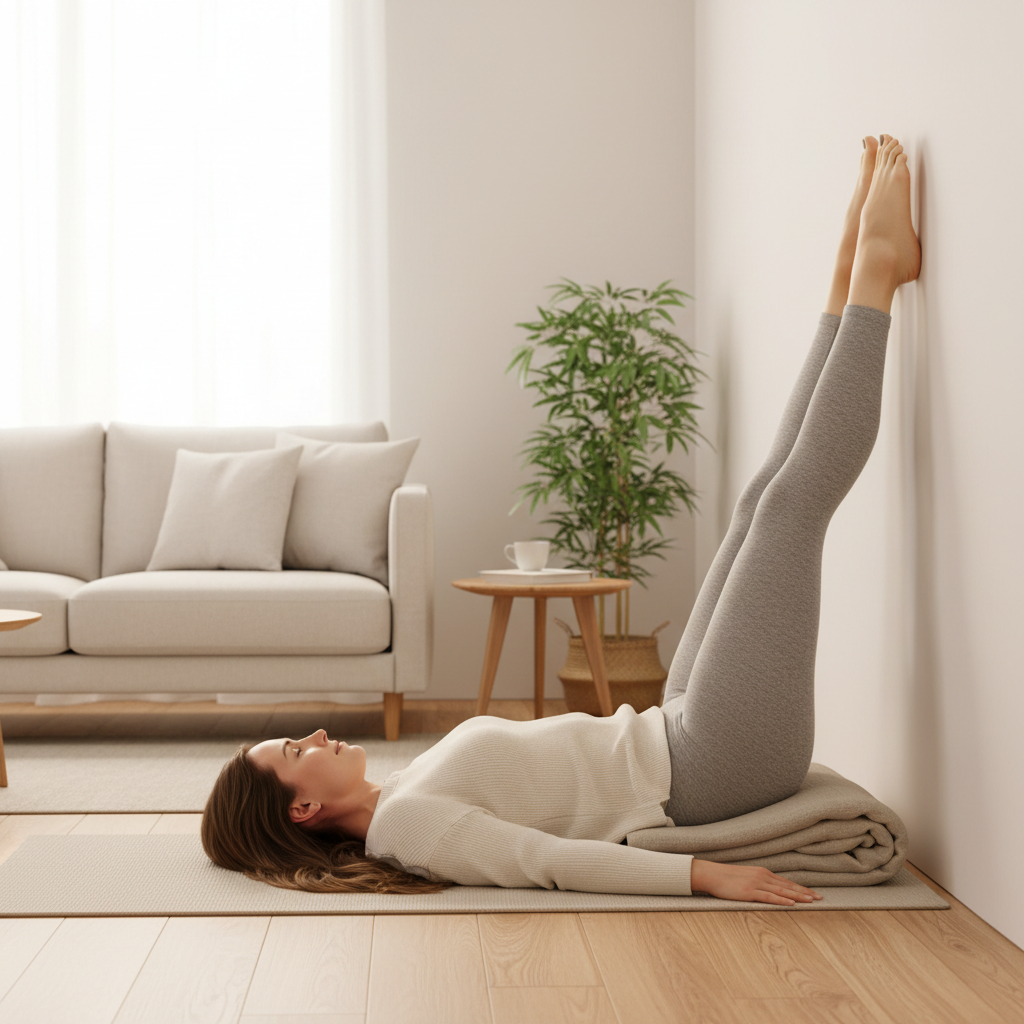
3) Legs-Up-the-Wall (Viparita Karani), modified
Sit sideways to a wall, roll onto your back and swing legs up, place a folded blanket under hips if it feels good, keep it low if your low back arches.
4) Supported Twist
Lie on your back, knees bent, drop knees to one side onto a pillow or bolster, arms open, keep shoulders heavy, switch sides after a few minutes.
5) Supported Savasana
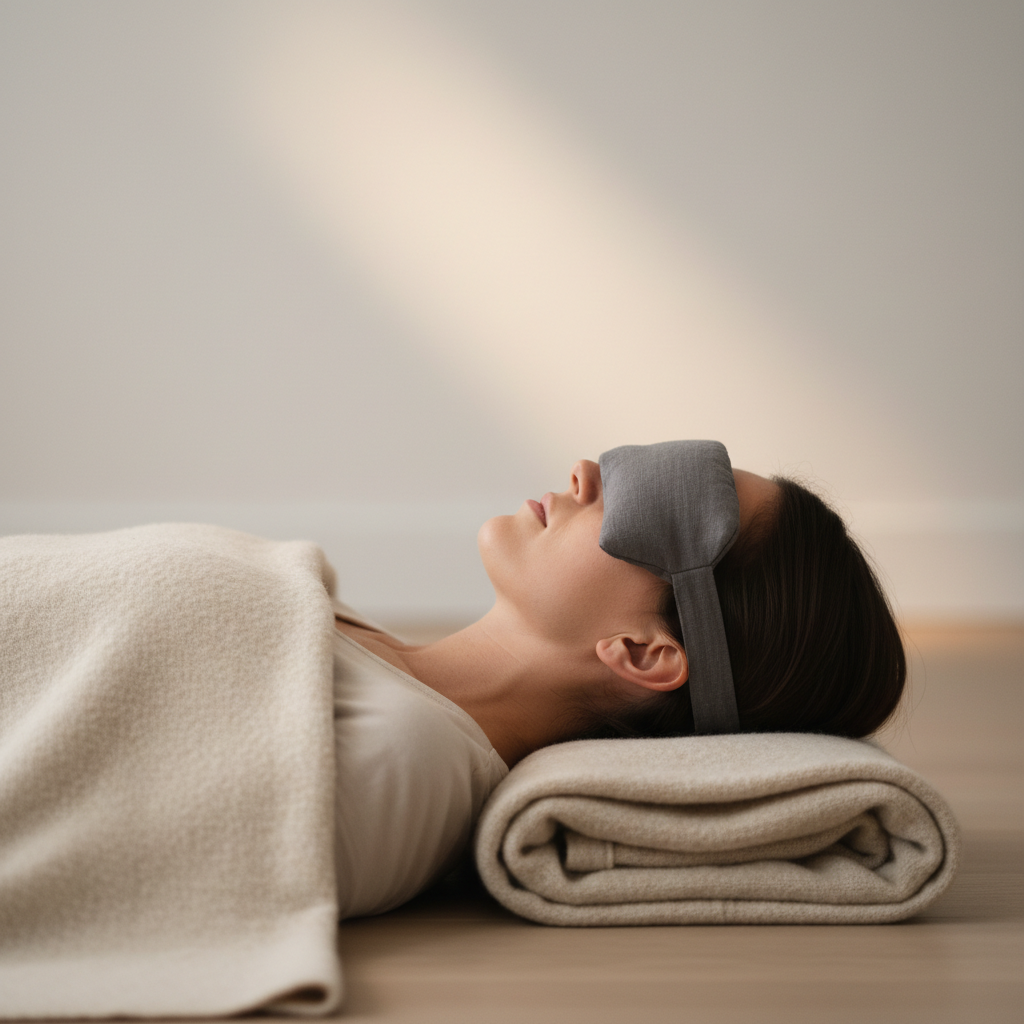
Put a rolled blanket under knees, cover with a blanket for warmth, and consider an eye pillow, this is where many people finally notice how tense their face has been all day.
Simple routines you can repeat (15, 25, or 40 minutes)
Consistency beats complexity, especially if you’re using yoga for relaxation to improve sleep or stress resilience. Here are three plug-and-play options.
| Time | Sequence | Best for |
|---|---|---|
| 15 minutes | Legs-Up-the-Wall (7) → Supported Twist (4, one side only) → Supported Savasana (4) | Late-night unwinding, low motivation days |
| 25 minutes | Supported Child’s Pose (7) → Reclined Bound Angle (8) → Supported Savasana (10) | Stress load, chest tightness, jaw clenching |
| 40 minutes | Supported Child’s Pose (8) → Supported Twist (7 each side) → Legs-Up-the-Wall (8) → Supported Savasana (10) | Weekend reset, recovery day, emotional overwhelm |
Timing is flexible, if you feel more anxious when you’re still, start with the twist or legs-up-the-wall, then finish in savasana, that small re-order often changes the whole experience.
Breath and cues that make the practice actually work
People often assume the pose does the job, but the breath is where the “relaxation training” happens. Keep it simple.
- Make the exhale a little longer, try inhaling 4 counts, exhaling 6 counts, no strain.
- Soften the tongue and space between eyebrows, it sounds minor, it’s a real shortcut.
- Pick one anchor, breath at nostrils, belly rise, or the weight of the blanket, and return to it when you drift.
According to the American Psychological Association (APA), relaxation techniques can be useful for managing stress, breathing practices often fall into that toolbox, but if anxiety feels intense or persistent, professional support tends to help more than self-guided routines alone.
Common mistakes (and small fixes that save the session)
- Chasing a big stretch, if you feel pulling that makes you brace, add props or back off.
- Cold room, cold body, warmth supports relaxation, use a blanket early, not as an afterthought.
- Neck craning, if chin lifts, add a small towel under the head, if chin tucks, reduce head support.
- Too many poses, three well-set shapes beat eight rushed ones.
- Scrolling between poses, even “quick checks” keep your system activated, set a timer instead.
If you practice at night, keep lights low and transitions quiet, it sounds obvious, but it’s often the difference between a genuine downshift and “I did yoga, why am I still awake?”
When to get extra help or modify more aggressively
Restorative yoga is gentle, but gentle doesn’t automatically mean appropriate for every body, on every day.
- If you have glaucoma, reflux, or breathing issues, some positions and bolsters may need adjustments, ask a clinician if you’re unsure.
- If you’re recovering from surgery or dealing with disc symptoms, work with a physical therapist or experienced yoga therapist for safe positioning.
- If stress feels tied to panic, trauma history, or insomnia that keeps worsening, consider mental health support alongside yoga for relaxation, it’s a solid combination for many people.
Key takeaways to remember
- Comfort is the practice, use props so your body trusts the pose.
- Hold longer, do fewer, aim for 3–8 minutes per pose.
- Exhale matters, a slightly longer exhale often helps you settle.
- Repeatable routines win, pick a 15–25 minute sequence and reuse it.
Conclusion: make relaxation a skill, not a mood
If you want yoga for relaxation to feel dependable, treat it like brushing your teeth, small, regular, not dramatic. Choose two poses you genuinely like, set them up well, breathe a little slower than usual, and give it two weeks before you judge results.
If you try one action tonight, pick Legs-Up-the-Wall or Supported Savasana, set a 10-minute timer, and keep your exhale easy and slightly longer, that’s enough to start teaching your system what “off” feels like.
FAQ
Is restorative yoga good for beginners?
Usually yes, because it’s low impact and doesn’t demand flexibility, the main learning curve is props and patience, not strength or coordination.
How often should I do restorative yoga for relaxation?
Many people do well with 2–4 short sessions per week, even 10–15 minutes counts, daily practice can work too if you keep it truly gentle.
Can restorative yoga help with sleep?
It may, especially when done 30–90 minutes before bed with low light and minimal stimulation, but insomnia has many causes, so consider professional advice if sleep issues persist.
What if my mind gets louder when I lie still?
That’s common, start with a supported twist or legs-up-the-wall, keep eyes covered, and use a simple counting exhale, if anxiety feels overwhelming, it may be better to work with a therapist or qualified instructor.
Do I need a bolster to practice restorative yoga?
No, but stable support matters, a firm pillow, couch cushion, or folded blanket often works, if props keep collapsing, you’ll end up using muscle effort and lose the restorative effect.
Is yin yoga the same as restorative yoga?
They overlap, but they’re not identical, yin often invites stronger sensation and targets connective tissue, restorative prioritizes comfort and nervous system settling.
What’s the safest way to do Legs-Up-the-Wall?
Keep hips a little away from the wall if hamstrings pull, and skip elevation under hips if your low back arches or feels pinchy, when in doubt, ask a professional for modifications.