
Running shoes for men can feel weirdly hard to buy because the “best” pair depends less on hype and more on your body, your weekly mileage, and where you run. If you have ever loved a shoe in the store and hated it after three runs, you already know the gap between marketing and real-world comfort.
This guide keeps it practical: how to pick the right category, what specs actually matter, and a short list of solid “profiles” to shop for without getting lost in foam names. I’ll also call out common mistakes that waste money, plus a quick fit checklist you can use in five minutes.
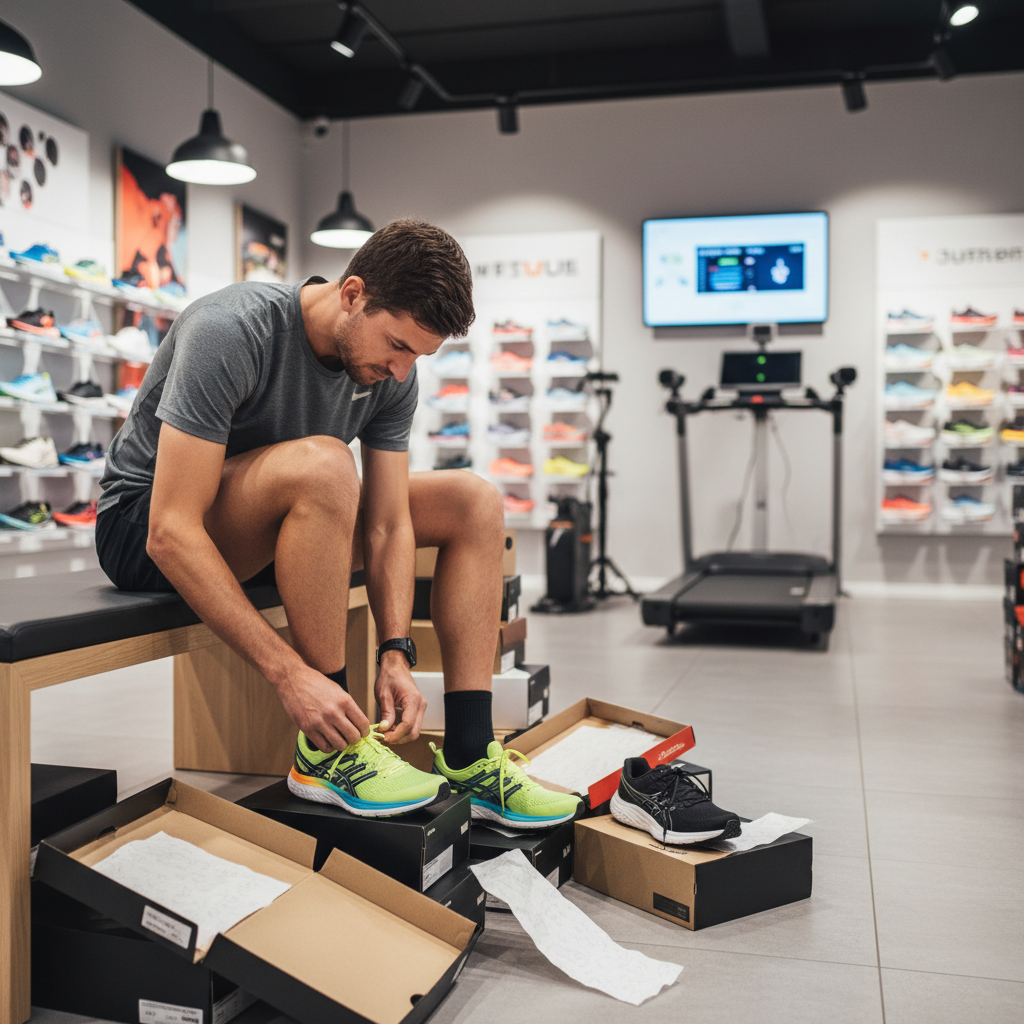
One more thing before we get specific: comfort beats theory most days. Even if a shoe “matches” your foot type on paper, hotspots and rubbing usually win. If you have persistent pain, it may be smart to consult a podiatrist or physical therapist, especially if you suspect an overuse injury.
What “best” really means for men’s running shoes
Most buying guides act like there is one winner. In reality, the best pick is the shoe that fits your use case. A cushioned daily trainer for 20 miles per week is different from a light shoe for intervals, and both differ from a trail shoe that won’t slide on loose dirt.
- Daily trainer: your workhorse for most runs, balanced cushioning and durability.
- Max cushion: softer landings, often helpful if you run on concrete or prefer a plush feel.
- Stability/support: extra guidance features, useful for some runners who overpronate or fatigue late-run.
- Speed/racing: lighter, snappier feel, usually less forgiving if your form breaks down.
- Trail: grippy outsole and upper protection, tuned for uneven surfaces.
According to the American Podiatric Medical Association (APMA), proper shoe fit and support can play a role in foot comfort and injury prevention, but shoe needs vary by individual. Translation: get the fundamentals right, then prioritize how your feet feel during real running.
Key features that matter (and what to ignore)
You don’t need to memorize every spec, but a few features consistently separate a great experience from a “why did I buy this” regret.
Cushioning and midsole feel
More cushion is not automatically better. Many runners love a soft ride, but some feel unstable on very plush foams. If you run easy miles and recovery days, cushion often helps; if you do faster work, you may prefer a firmer, more responsive feel.
Stability elements (even if you don’t “need” stability)
Modern stability shoes often use subtler methods, like wider platforms, sidewalls, or firmer foam on one side. Even neutral runners sometimes like mild guidance on long runs when form gets sloppy.
Fit: toe box, heel hold, and volume
Fit is the multiplier. A “perfect” model in the wrong width still fails. Many brands offer wide options, and that alone can turn a mediocre experience into a great one.
- Toe box: enough room to splay toes, especially on longer runs.
- Heel: secure without digging in or causing blisters.
- Midfoot volume: snug, not crushing, and stable on turns.
Drop (heel-to-toe offset)
Drop influences where you feel load. Lower drop shoes may stress calves and Achilles more for some people, higher drop can feel friendlier if you’re calf-sensitive. If you’re switching drop dramatically, ease in.
Breathability and upper structure
Hot feet and sloppy lockdown ruin otherwise good shoes. If you run in warm states or humid summers, prioritize ventilation. If you run in cold or wet conditions, a slightly more structured upper can feel more secure.
What to ignore most of the time: fancy naming of foams and plates. Those can matter, but they matter less than whether your heel slips, your arch feels poked, or your forefoot goes numb.
Quick self-check: which category fits you?
If you want a shortcut, answer these honestly. Your goal is to narrow the aisle from 40 options to about 6.
- Where do you run most? Road, treadmill, track, mixed surfaces, or trails.
- Weekly volume? Under 10 miles, 10–25, 25–45, or 45+.
- Primary workouts? Mostly easy, long runs, speed days, or a bit of everything.
- Any recurring discomfort? Knees, shins, plantar fascia, Achilles, hips. If yes, be cautious and consider professional advice.
- Do you wear wide shoes casually? If yes, start with wide running options instead of “sizing up.”
- What do your current shoes tell you? Hotspots, blisters, heel slip, toe bang, or feeling beat up after runs.
If you want one safe default: a neutral daily trainer in the right width and a “not too soft, not too firm” midsole works for a lot of runners. Then you can add a second pair later for speed or trails.
Common “best running shoes for men” profiles (with examples to shop for)
Instead of listing a single model as the winner, use these profiles to shop smarter. They map to how you run, not how brands market.
| Runner profile | What to look for | Good for | Watch-outs |
|---|---|---|---|
| Everyday road runner | Durable outsole, balanced cushioning, secure heel | Most easy runs, general training | Too-soft foam can feel wobbly |
| Heavier-impact feel (or lots of concrete) | Max cushion, wider base, smooth transitions | Recovery runs, long easy days | Can feel bulky or less stable on corners |
| Mild support seeker | Stability features like sidewalls or guidance rails | Long runs, fatigue-prone form | Over-corrective designs can irritate some runners |
| Speed and workouts | Lighter build, responsive midsole, snug lockdown | Tempo, intervals, races (varies) | Often less forgiving for daily mileage |
| Trail and mixed terrain | Aggressive grip, rock protection, stable platform | Dirt, gravel, wet paths | Stiff lugs feel harsh on pavement |

When you’re browsing online, look for reviews that match your profile: similar pace range, similar mileage, similar surfaces. A shoe that shines at 7-minute pace might feel dead at 10-minute pace, and vice versa.
How to try on and choose (simple steps that reduce returns)
This is where a lot of people get tricked: the store try-on is short, your feet are fresh, and everything feels “fine.” Give yourself a better test.
- Try shoes later in the day when feet are slightly swollen, closer to real-run conditions.
- Wear your running socks, not thin dress socks.
- Check toe room: a thumb’s width in front of the longest toe is a reasonable starting point, but comfort rules.
- Do a short jog and a few quick turns if the shop allows. Pay attention to heel slip and arch pressure.
- Lace lock if needed: runner’s loop can fix minor heel movement without changing size.
Buying online? Only do it if the return policy is easy, and keep shoes clean until you’re sure. Many people end up finding their go-to running shoes for men after two rounds of “close but not quite.” That’s normal.
Mistakes that cause discomfort (and how to avoid them)
A few patterns show up again and again, especially for newer runners or anyone returning after time off.
- Sizing up instead of choosing wide: extra length can cause toe bang and sloppy midfoot hold.
- Switching to minimal or low-drop too fast: calf and Achilles irritation becomes more likely, transition slowly.
- Using a speed shoe for daily miles: legs feel beat up, little aches show up, then you blame “running.”
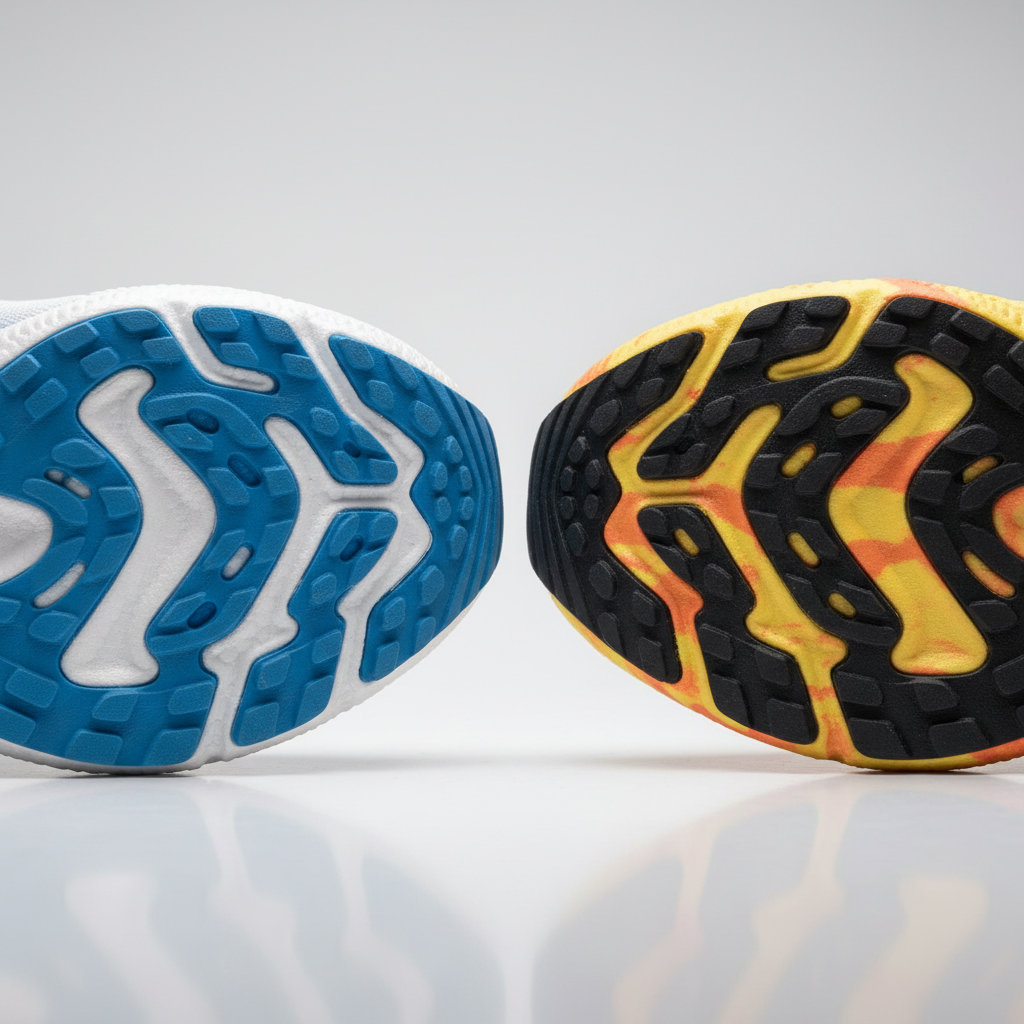
- Assuming wear pattern alone decides pronation: outsole scuffs tell a story, but they don’t replace how you move under load.
- Ignoring small hot spots: if you feel rubbing in minute three, it often becomes a blister by mile three.
According to the American Academy of Orthopaedic Surgeons (AAOS), many running-related issues are overuse problems, and gradual changes in training load matter. Shoes can help comfort, but they rarely fix big jumps in mileage.
When to consider professional help or a specialty fitting
Most people can self-select a good shoe, but certain signals justify more support.
- Pain that changes your gait, or pain that persists after rest days.
- History of stress fractures or recurring tendon issues.
- Major asymmetry, one foot always blistering or one knee always flaring.
- Diabetes or reduced sensation in feet, where fit issues can become risky, ask a clinician for guidance.
A good specialty store fitting can be helpful, but treat it as guidance, not a diagnosis. If a staffer promises a shoe will “fix” injuries, take that with caution and consider medical advice.
Key takeaways and a realistic next step
If you want the best outcome with minimal fuss, pick one pair that matches your main running, then log a few weeks before adding anything “fancy.” Your body gives feedback faster than spec sheets.
- Start with fit: correct width and secure heel beat brand loyalty.
- Match the shoe to the job: daily trainer for most miles, not a racer.
- Change gradually: big shifts in drop or firmness deserve an easy transition.
Your next action: choose one runner profile from the table, shortlist 3–5 options, and try them with your running socks and a short jog test. That’s usually enough to land on running shoes for men that feel right on day one and still feel right on day twenty.
FAQ
How often should I replace running shoes for men?
It varies by runner, surfaces, and shoe build. Many people notice the midsole feeling “dead,” new aches, or reduced grip before the upper looks worn. If you’re unsure, rotating in a newer pair and comparing feel on the same route can be more telling than mileage alone.
Do I need stability shoes if I overpronate?
Not always. Some runners overpronate and feel great in neutral shoes, especially if the platform is wide and stable. If you consistently feel ankle collapse, knee irritation, or you fatigue into sloppy form, a mild stability option can be worth testing.
Are carbon-plated shoes good for everyday training?
They can be, but many are expensive and feel less stable at easy paces. A lot of runners keep plated shoes for workouts or races and use a regular daily trainer for most miles.
Should running shoes feel tight or roomy?
Snug in the heel and midfoot, roomier in the toes. If your toes feel squeezed standing still, they usually feel worse after a few miles. If your heel lifts noticeably, blisters become more likely.
Is it okay to buy the same model every time?
Usually yes, if it keeps working for you. Just remember brands update models, sometimes subtly, sometimes dramatically. When you re-buy, treat it like a new shoe and do a short run test before committing.
What if I run on both roads and light trails?
A road shoe can handle packed dirt, but wet grass, loose gravel, and mud often need better lugs. Many runners use a road trainer for most days and add a light-trail shoe when seasons change or routes get slippery.
Can insoles fix a bad shoe fit?
Sometimes insoles improve comfort, but they can also change volume and create pressure points. If the shoe is wrong in width or length, an insole rarely solves the root issue. If you have medical foot concerns, it’s safer to ask a professional about orthotics.
If you’re narrowing down options and want a quicker path, a specialty running store fitting or a simple “two-pair rotation” plan can save time: one daily trainer you love, one second pair tailored to your next goal, like long runs or speed work.