
Squat variations are the easiest way to keep your lower-body training effective when your goals, equipment, or joints don’t match a “one-squat-fits-all” plan.
If you feel your quads doing all the work, your glutes not showing up, or your knees complaining, it’s rarely because you “can’t squat.” More often, the variation you’re using doesn’t fit your body proportions, mobility, or loading tolerance.
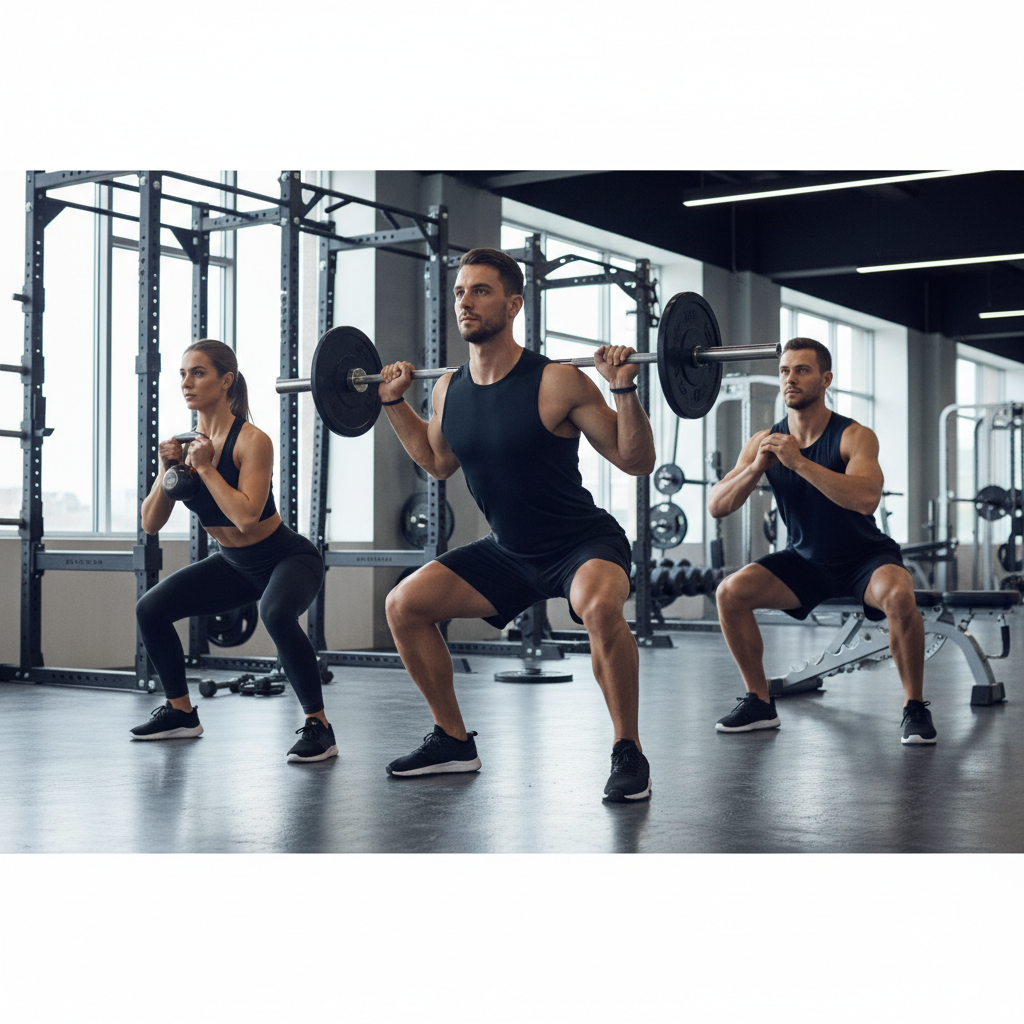
This guide breaks down the most useful options for legs and glutes, how to choose based on what you feel and what you have, plus simple cues that tend to fix 80% of “my squat feels wrong” problems.
How to choose a squat variation (what you want to feel)
Before you swap exercises, pick a target. Different setups shift stress across knees, hips, trunk, and ankles, so the “best” choice depends on what you’re trying to bias.
- More glutes and hips: typically deeper hip flexion, more forward torso lean, or a wider stance that suits your anatomy.
- More quads: often a more upright torso and more knee travel, as long as your knees tolerate it.
- Less low-back fatigue: front-loaded or machine-supported options usually help.
- Less knee irritation: box squats, hip-dominant patterns, and controlled tempo often feel better, but pain should be assessed if persistent.
According to the American Council on Exercise (ACE), proper squat mechanics include maintaining a neutral spine and controlled knee tracking, which is a good baseline no matter which version you pick.
Quick comparison table: common squat variations
Use this as a practical filter. You can still make almost any version more glute- or quad-biased with stance, depth, heel elevation, and tempo.
| Variation | Best for | Equipment | Common “gotcha” |
|---|---|---|---|
| Back Squat (high bar) | Overall legs, quad-friendly | Barbell + rack | Depth limited by ankles/hips |
| Back Squat (low bar) | Glutes/hips, heavier loads | Barbell + rack | More trunk lean, form must be tight |
| Front Squat | Quads, upright torso | Barbell | Upper-back and wrist tolerance |
| Goblet Squat | Learning, depth, home workouts | Dumbbell/kettlebell | Limited by grip/upper body strength |
| Bulgarian Split Squat | Glutes + quads, side-to-side balance | Bench + DBs | Rear-leg setup can feel awkward |
| Hack Squat / Leg Press | Leg volume with less skill demand | Machine | Going too deep without pelvic control |
| Box Squat | Control, confidence, knee-friendly option | Bench/box | Sitting too hard, losing tension |
Best squat variations for legs and glutes (with cues that actually help)
Below are the picks that tend to deliver for most people. If you can’t do one comfortably, skip it and use the next closest option.
1) Back squat (high bar): the classic “whole leg” builder
High-bar back squats usually let you stay more upright, which many lifters feel as stronger quad involvement while still training glutes hard with good depth.
- Cue: “Ribs down, elbows under the bar,” so your torso doesn’t collapse.
- Cue: “Knees track where toes point,” not caving in or forcing out aggressively.
- Glute tip: control the last 2–3 inches into depth, don’t bounce.
2) Low-bar back squat: heavier, more hip-driven
This version often shifts more work toward hips and posterior chain because your torso leans more, and your hips sit back more naturally. Many people love it for glute strength, others find it cranky on shoulders or back if they rush setup.
- Cue: lock in your upper back, bar stays “on the shelf.”
- Cue: think “hips between heels,” not “hips straight back.”
3) Front squat: quad focus with a built-in form check
Front squats push you upright. If your back squat turns into a good morning, this can be a clean fix for your training block.
- Cue: drive elbows up, even as you stand.
- Cue: keep midfoot pressure, avoid rolling forward to toes.
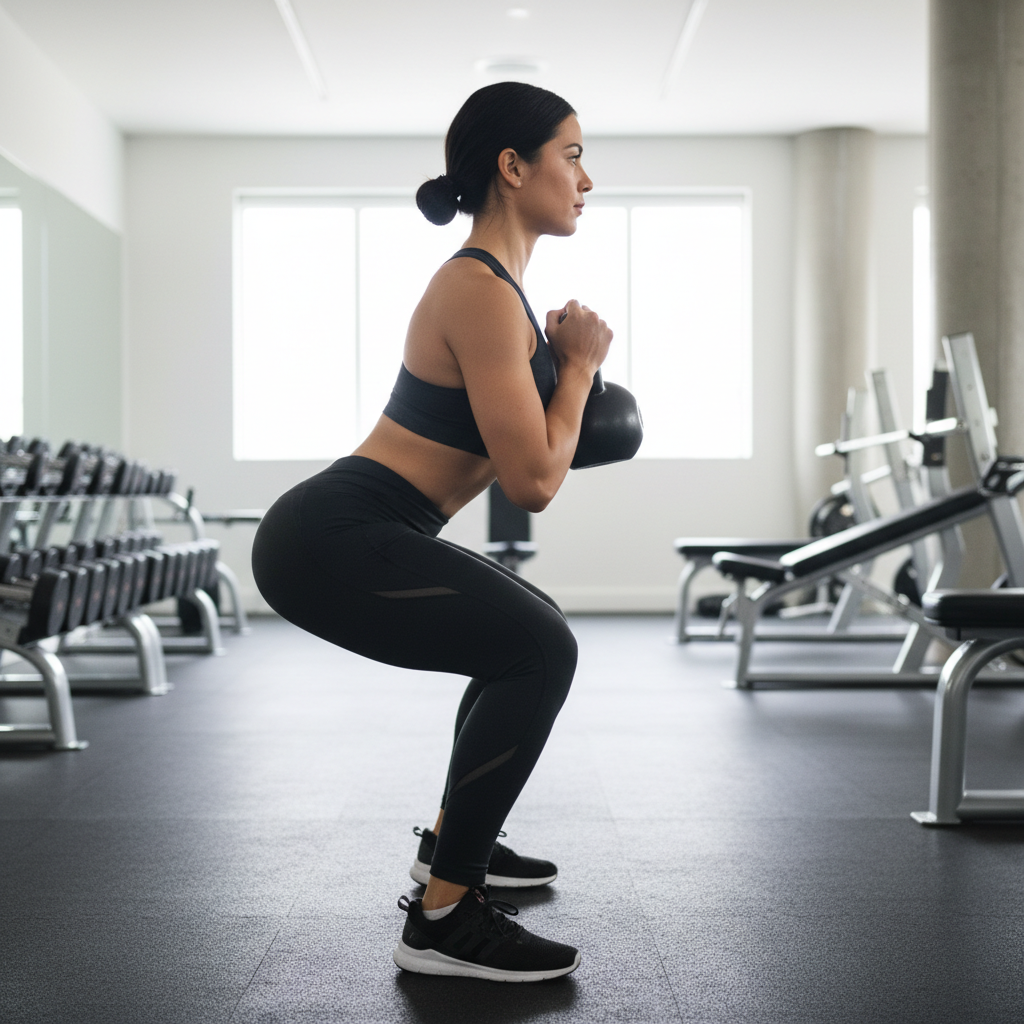
4) Goblet squat: the “honest” squat for depth and control
Goblet squats look simple but they expose balance issues fast. They’re also one of the best squat variations for home training because you can load with one dumbbell or kettlebell and still get quality reps.
- Cue: hold weight close to chest, wrists stacked, breathe into your belt line.
- Progression: add a 2–3 second pause at the bottom before adding more weight.
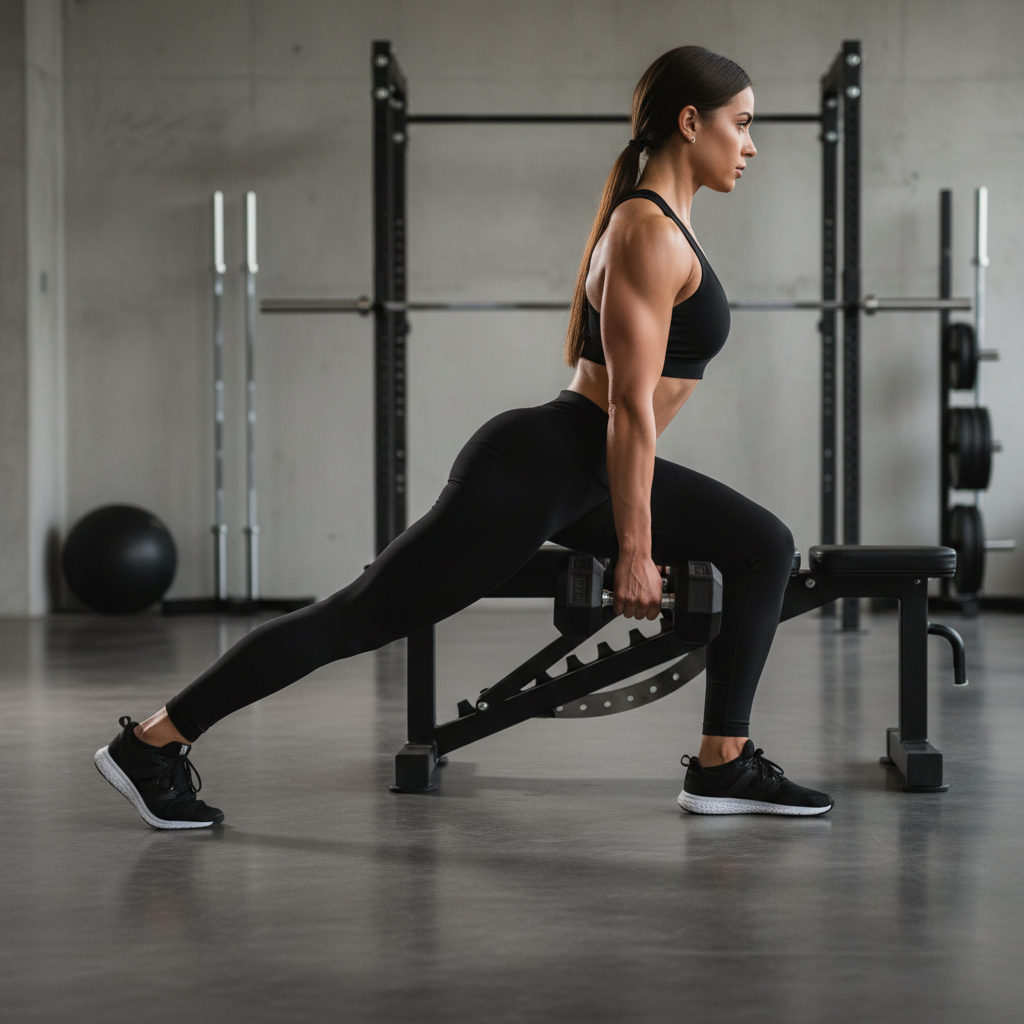
5) Bulgarian split squat: legs and glutes without needing big loads
If you want glutes and quads to grow without maxing out your spine, split squats belong in your week. They also expose side-to-side differences you can’t hide in bilateral squats.
- Setup tip: take a longer stance if you want more glute, shorter stance tends to feel more quad-heavy.
- Cue: slight forward torso lean, front heel stays heavy.
- Control: slow lower, gentle touch at the bottom, drive up.
6) Hack squat or leg press: high volume with less technique
Machines aren’t “cheating.” In many gyms, they’re a smart way to pile on leg volume after your main lift, especially when fatigue makes barbell form messy.
- Glute bias: slightly higher foot placement can shift feel toward hips for many people.
- Safety cue: don’t chase depth if your lower back rounds off the pad.
Self-check: which variation fits you right now?
If you’re stuck, run this quick checklist. It’s less about “best exercise,” more about matching your current constraint.
- You feel knees more than anything: try box squats, goblet squats with tempo, or split squats with a longer stride.
- You feel low back taking over: front squats, goblet squats, or hack squats usually reduce the “hinge takeover.”
- You can’t hit depth without heels popping: use a small heel wedge/plates, or choose goblet squats while you work ankle mobility.
- You only have dumbbells: goblet squats + Bulgarian split squats cover most bases.
- You want glutes to lead: low-bar back squat or split squats with forward lean often deliver a better glute sensation.
According to the National Strength and Conditioning Association (NSCA), exercise selection should account for individual technique and training status, which is a polite way of saying your squat should match your body, not your feed.
Practical programming: 2 simple templates (pick one)
Most people don’t need more options, they need a repeatable plan. Here are two that work in typical gym weeks.
Template A: Legs & glutes (2 days/week, minimal confusion)
- Day 1 (strength focus): Back squat or front squat 3–5 sets of 3–6 reps, then Bulgarian split squat 3 sets of 8–12 per side
- Day 2 (volume focus): Goblet squat or hack squat 3–4 sets of 8–12, then leg press 2–4 sets of 10–15
Keep 1–3 reps “in reserve” on most sets, meaning you stop before form breaks. According to the Centers for Disease Control and Prevention (CDC), strength training is recommended as part of weekly physical activity for adults, but the right intensity can vary by person.
Template B: Home setup (DB/KB only)
- Main squat: Goblet squat 4 sets of 6–10, add pauses when weight tops out
- Unilateral: Bulgarian split squat 3–4 sets of 8–12 per side
- Finisher: bodyweight tempo squats 2 sets of 15–25, slow down the lowering
Technique details that protect your knees and make glutes work
Most “bad squat days” come down to a few repeat offenders. Fix these and your favorite squat variations usually start feeling better fast.
- Brace first, then move: inhale, tighten midsection, then descend. A loose brace often becomes knee wobble or back rounding.
- Foot tripod: big toe, little toe, heel stay grounded. If your arch collapses, knees often cave in.
- Depth you can own: go as low as you can while keeping pelvis and spine under control, depth without control tends to irritate joints.
- Drive “up and through”: think about pushing the floor away, not yanking your chest up early.
If you have sharp pain, swelling, or symptoms that change your gait, it’s smarter to scale back and consider guidance from a qualified clinician or coach.
Common mistakes (and what to do instead)
- Mistake: chasing a specific stance width you saw online. Try: adjust stance in small steps until knees track smoothly and you feel stable.
- Mistake: adding weight when depth keeps getting shallower. Try: pause reps or tempo to build control at a consistent depth.
- Mistake: turning every set into a grinder. Try: keep most work submaximal, save hard sets for planned weeks.
- Mistake: “all glutes” means going super wide no matter what. Try: use split squats or low-bar squats if wide stances bother hips.
Key takeaways and next steps
The right squat variations make legs and glutes grow with less guesswork, because they match what your body can do today, not what you wish it could do. Pick one main squat you can repeat, add one unilateral option, then use a machine or tempo work for volume.
If you want a clean next step, choose two variations from the table, run one of the templates for 4–6 weeks, and only change exercises if your joints complain or progress stalls.
FAQ
What are the best squat variations for glute growth?
Many people do well with low-bar back squats and Bulgarian split squats, because they often increase hip involvement. That said, glute growth still depends on depth you control and enough weekly volume.
Which squat variation is easiest on the knees?
Box squats and controlled-tempo goblet squats are commonly tolerated because they encourage control and reduce “dive-bombing.” If knee pain persists, it’s worth consulting a qualified professional to rule out issues beyond exercise selection.
Are front squats better than back squats for legs?
Front squats often feel more quad-dominant due to a more upright torso, while back squats can be a stronger overall load builder for many lifters. “Better” depends on your comfort, goals, and how well you can brace.
Can I build glutes with dumbbells only?
Yes, in many cases. Goblet squats plus Bulgarian split squats can be very effective, especially if you use pauses, slower lowering, and higher reps when load is limited.
How many squat days per week should I do?
Two sessions per week is a realistic starting point for most people, balancing practice and recovery. If you recover well and want more growth, adding a third lighter technique or volume day can work.
Why do I feel squats mostly in my quads?
Sometimes it’s anatomy, sometimes it’s setup. A longer stance, slightly more forward torso angle, and deeper controlled reps can increase hip involvement, but you shouldn’t force positions that feel unstable.
Do I need to squat “ass to grass” for results?
Not necessarily. Many lifters progress with a depth that keeps their spine and pelvis controlled, and gradually improve range over time. If deep squats cause pinching or pain, scale depth and get checked if needed.
If you’re trying to pick squat variations without guessing, it can help to film a few sets, compare how each version feels in your knees, hips, and low back, then commit to one simple plan for a month. If you want an even more hands-off approach, a coach can help match variations to your mobility, equipment, and weekly schedule without turning it into a full-time project.