
Cool Down Steps are the small, repeatable actions you take in the 5–15 minutes after exercise to bring your heart rate down, reduce that “wired” feeling, and set up better recovery.
If you usually finish a workout and jump straight into the car, the shower, or your next meeting, you’re not alone, but this is also where a lot of people end up with lingering tightness, dizziness, or soreness that feels worse than it should.
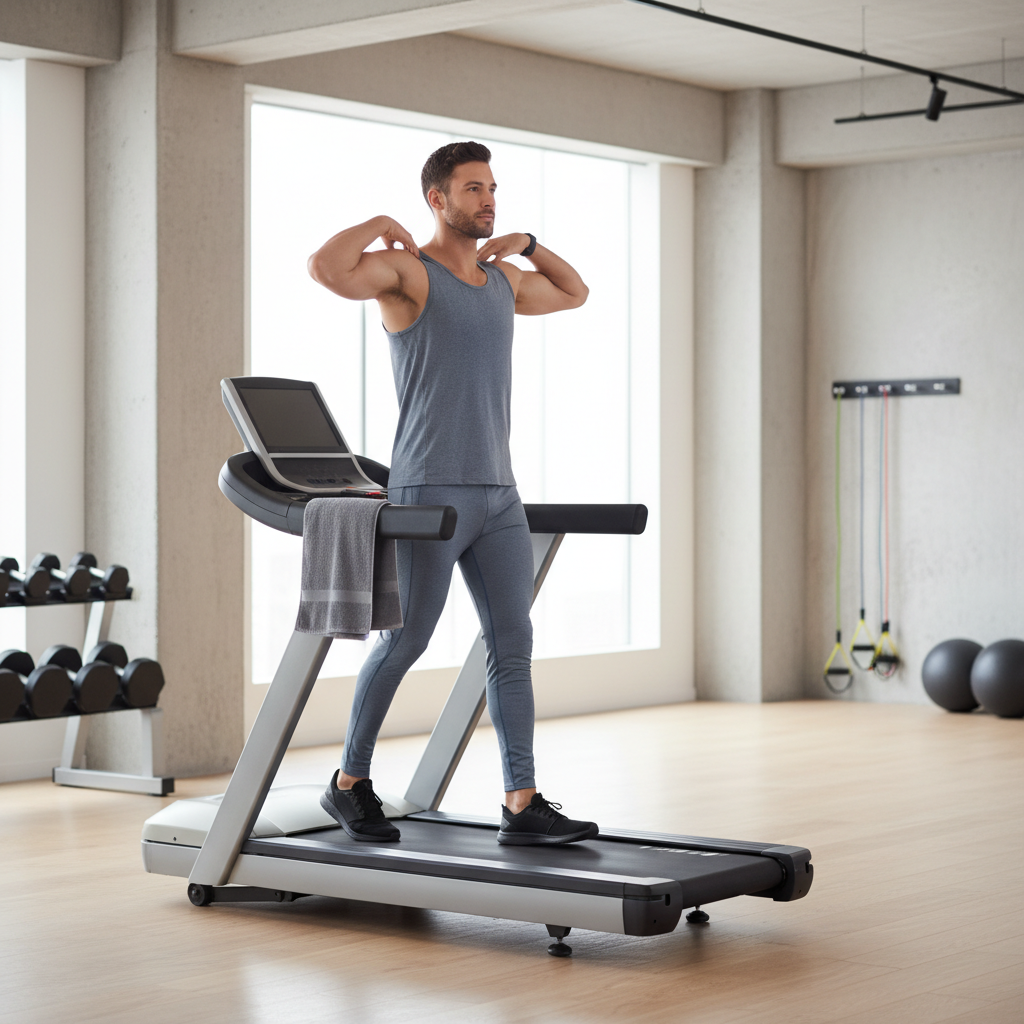
The good news, a cooldown does not need to be complicated or long. What matters is doing the right few things in the right order, matched to the session you just did.
Below you’ll get a practical routine, quick self-checks, a table you can follow, plus the mistakes that quietly make cooldowns less effective.
What a cooldown actually does (and what it doesn’t)
A cooldown is not a magic fix for every ache. It’s more like a smooth “landing” after training, helping your body transition out of high effort.
- Downshifts your system: gentle movement helps heart rate and breathing return toward baseline without an abrupt stop.
- Reduces lightheadedness risk: easing out can help circulation normalize, especially after hard intervals or leg-heavy work.
- Starts recovery mode: it’s a good moment to rehydrate, reset posture, and address obvious tight spots before they lock in.
- Improves next-day readiness: many people notice they feel “less wrecked” when they consistently cool down, even if soreness still happens.
According to the American Heart Association, gradually cooling down after physical activity can help your heart rate and blood pressure return closer to resting levels in a controlled way.
Why people skip Cool Down Steps (real-life reasons)
Most folks don’t skip because they don’t “believe” in recovery. They skip because the cooldown competes with life, and it feels optional.
- Time crunch: the workout already squeezed the schedule, the cooldown feels like extra.
- Confusing advice: some sources push long stretch sessions, others say “never stretch,” people give up.
- Adrenaline momentum: after a tough set, you feel accomplished and want to move on.
- Misread soreness: people expect a cooldown to erase soreness, it doesn’t, so they assume it “didn’t work.”
If you take only one thing from this: cooldowns work best when they’re short, consistent, and tied to the workout type, not when they’re “perfect.”
Quick self-check: which cooldown do you need today?
Use this to decide what to emphasize. You can run through it in 15 seconds while you’re catching your breath.
- Feeling dizzy or nauseated? prioritize slow walking, controlled breathing, hydration, and sit down if needed.
- Legs feel heavy after running/cycling? prioritize easy movement plus calves, quads, and hip flexor mobility.
- Upper body pumped after lifting? prioritize light cardio + gentle range-of-motion for shoulders and upper back.
- Low back feels cranky? prioritize breathing, hip mobility, and avoiding aggressive stretching into pain.
- Short on time? do the “minimum effective cooldown” (below) rather than nothing.
The cooldown table: pick your workout, follow the steps
This is where Cool Down Steps become easy. Match the column to what you just did, then follow the time range. Adjust intensity down, not up.
| Workout type | Move (3–8 min) | Breathe (1–3 min) | Mobility (3–8 min) |
|---|---|---|---|
| Strength training | Easy bike or walk | Slow nasal inhale, longer exhale | Chest opener, lats, hips, ankles |
| HIIT / intervals | Walk until talk feels easy | Box breathing or 4–6 breathing | Gentle legs + thoracic spine |
| Running | Jog to walk progression | Hands on ribs, slow exhale focus | Calves, quads, hip flexors |
| Cycling | Easy spin, low resistance | Slow breathing, relax shoulders | Hips, hamstrings, T-spine |
| Yoga / Pilates | Very light walk (optional) | Down-regulating breath | Short, comfortable holds |
Minimum effective cooldown (when you have 6 minutes)
If your schedule is tight, this is the routine that still moves the needle. It’s intentionally simple, and you can do it almost anywhere.
Step 1: 3 minutes easy movement
Walk, easy cycle, or a slow lap around the gym. The goal is “I can speak in full sentences.”
Step 2: 90 seconds breathing reset
- Inhale through your nose for about 4 seconds
- Exhale for about 6 seconds
- Repeat 6–8 cycles, keeping shoulders relaxed
Step 3: 90 seconds mobility, not a stretching marathon
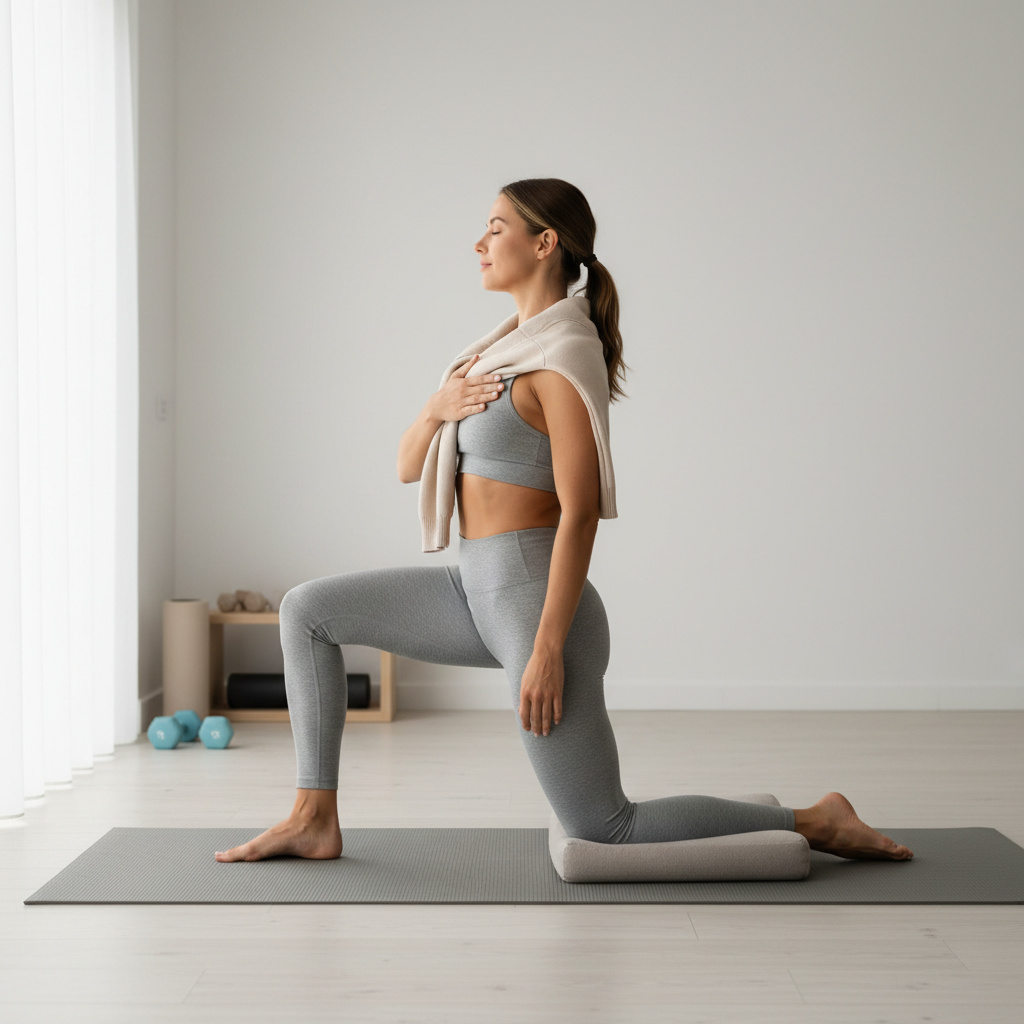
- Hips: half-kneeling hip flexor position, gentle pulses or a short hold
- Upper back: open-book rotations or hands-behind-head thoracic extension
If anything creates sharp pain, back off and keep it easy. A cooldown should feel like relief, not a test.
Longer cooldown (10–15 minutes) for hard sessions
After heavy leg day, long intervals, or a competitive game, you often benefit from a slightly longer landing.
- 5–8 minutes of easy cardio, gradually slower
- 2 minutes of breathing, emphasizing a slow exhale
- 3–5 minutes mobility targeting what you hammered that day
- Optional: light self-massage with a ball/roller for “tight spots,” keep pressure moderate
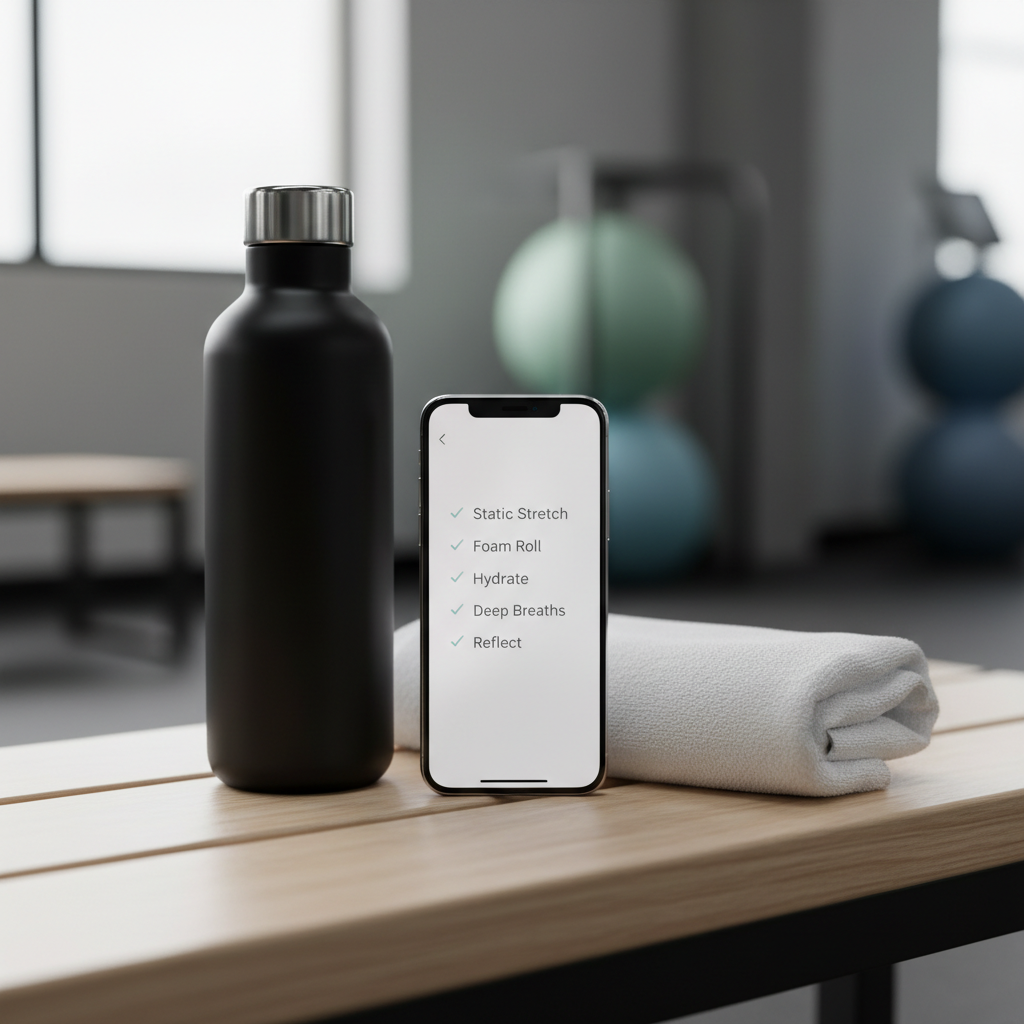
One practical tip, if you track workouts, log your cooldown too. Even a simple note like “6-min cooldown done” helps consistency.
Common mistakes that make cooldowns feel “pointless”
- Stopping abruptly: going from max effort to zero can leave you lightheaded, especially after sprints.
- Stretching cold, intensely: aggressive stretching right after hard work can irritate tissues, ease into it.
- Copying a random routine: the best Cool Down Steps depend on what you trained today.
- Chasing soreness reduction: soreness has multiple causes, a cooldown may help comfort but won’t erase DOMS.
- Skipping fluids: you don’t need a perfect plan, but you do need basic hydration.
According to the Centers for Disease Control and Prevention (CDC), physical activity is beneficial for health, and for many people a gradual wind-down and hydration are sensible parts of exercising safely, especially when intensity runs high.
When to get professional help (don’t tough it out)
Most post-workout sensations are normal, but a few patterns deserve extra caution. If you’re unsure, checking in with a qualified clinician can be the right move.
- Chest pain, unusual shortness of breath, fainting: seek urgent medical care.
- Persistent dizziness: especially if it repeats across sessions, talk with a healthcare professional.
- Sharp joint pain or swelling: consider a sports medicine clinician or physical therapist.
- Recurring tightness that changes your form: a coach or PT can help you fix the root cause, not just the symptom.
Key takeaways (keep it simple)
- Cool Down Steps work best when they’re brief and consistent, not elaborate.
- Start with easy movement, then breathing, then mobility.
- Match the cooldown to the workout, legs day and sprint day need a different focus than upper-body lifting.
- If you feel dizzy, slow down more than you think you need.
Conclusion: a small habit that pays off
If your workouts feel good during the session but rough afterward, it’s usually worth treating your cooldown like part of the workout, not an optional add-on. Put 6 minutes on the clock, follow the routine that fits today’s training, and aim for consistency over intensity.
If you want one action today, pick the minimum cooldown and do it after your next three sessions, then notice what changes in tightness, sleep, and how you feel starting the next workout.
FAQ
How long should Cool Down Steps take after a workout?
For many people, 6–10 minutes covers the essentials. After very intense sessions, 10–15 minutes can feel better, but more is not always necessary.
Should I stretch right after lifting weights?
Light mobility and gentle stretching can be fine, especially if it feels relieving. Avoid forcing deep stretches into pain, and keep holds comfortable rather than aggressive.
Do Cool Down Steps prevent soreness (DOMS)?
They may reduce the “stiff” feeling and help you feel more normal later, but soreness depends on training load, sleep, nutrition, and your current conditioning, so results vary.
What if I feel dizzy when I stop exercising?
Slow down gradually, keep moving at a low level, and focus on steady breathing. If dizziness is intense, persistent, or comes with other symptoms, it’s smart to consult a healthcare professional.
Is walking enough for a cooldown after HIIT?
Often yes, if you walk long enough that your breathing settles and you feel steady. Adding 1–3 minutes of controlled breathing usually improves the “come down” even more.
Can I do a cooldown at home if I trained outside?
Absolutely. Finish with a few minutes of easy walking, then do breathing and mobility on a mat. The location matters less than doing the sequence.
Are foam rollers part of Cool Down Steps?
They can be, but they’re optional. If you use one, keep pressure moderate and treat it as a short add-on, not the main event.
Want an easier way to stay consistent?
If you’re trying to make Cool Down Steps a habit but keep forgetting what to do, it can help to save one “6-minute cooldown” template in your notes or training app, so you stop negotiating with yourself after every workout and just follow a simple script.