
Stretching Routine work best when they feel doable on a normal day, not like a 45-minute project you quit after a week. If your body feels stiff in the morning, tight after sitting, or you notice you “lose” range of motion over time, a simple daily plan can make a real difference.
The catch is that flexibility gains usually come from consistency and smart choices, not from pushing harder. Many people stretch the wrong areas, hold their breath, or crank into painful end ranges, then wonder why nothing changes or why they feel cranky the next day.
This guide gives you a practical daily flow, plus a quick self-check to pick the right intensity. You’ll also get a simple weekly structure, common mistakes to avoid, and clear cues for when it’s smarter to ask a physical therapist or qualified trainer for help.
What “flexibility” really means (and why your routine may not work)
Flexibility is the ability of a joint to move through its available range of motion. That range depends on muscles, tendons, joint structure, your nervous system’s tolerance, and even how you breathe under tension. So if you only “pull harder,” progress often stalls.
Two common scenarios show up in real life: you’re short on mobility because you sit a lot, or you’re guarding because your body perceives a position as unsafe. In the second case, adding more force can backfire, and a calmer approach usually works better.
According to the American College of Sports Medicine (ACSM), stretching is typically recommended at least 2–3 days per week, and daily can be effective for improving flexibility when done safely and consistently.
Quick self-check: choose the right intensity today
Before you follow any Stretching Routine, take 30 seconds to decide what kind of day you’re having. This keeps you out of the “ego stretch” trap.
- Green light: Mild tightness, no sharp pain, you can breathe normally in the stretch.
- Yellow light: You feel sore, stressed, or stiff after a hard workout. Keep it gentle, longer exhales, smaller ranges.
- Red light: Sharp pain, tingling, numbness, or pain that shoots down an arm/leg. Skip aggressive stretching and consider professional guidance.
A good rule: aim for “strong but comfortable” sensation, never a pinchy joint feeling or burning nerve-like symptoms.
The daily stretching routine (10–15 minutes)
This sequence covers the spots most Americans tighten up from sitting, driving, and screen time: calves, hips, hamstrings, chest, and upper back. Do it once per day, or split it into two shorter sessions.
1) Start with 60 seconds of easy movement
- March in place, arm circles, or a brisk walk around the room
- Goal: raise tissue temperature slightly so stretching feels smoother
2) Calf stretch (wall lean) — 30–45 seconds per side
- Back heel stays down, knee straight for gastrocnemius
- Then bend the back knee slightly to bias the soleus
3) Hip flexor stretch (half-kneeling) — 45 seconds per side
- Think “ribs down,” gentle glute squeeze on the kneeling side
- You should feel the front of the hip, not low-back compression
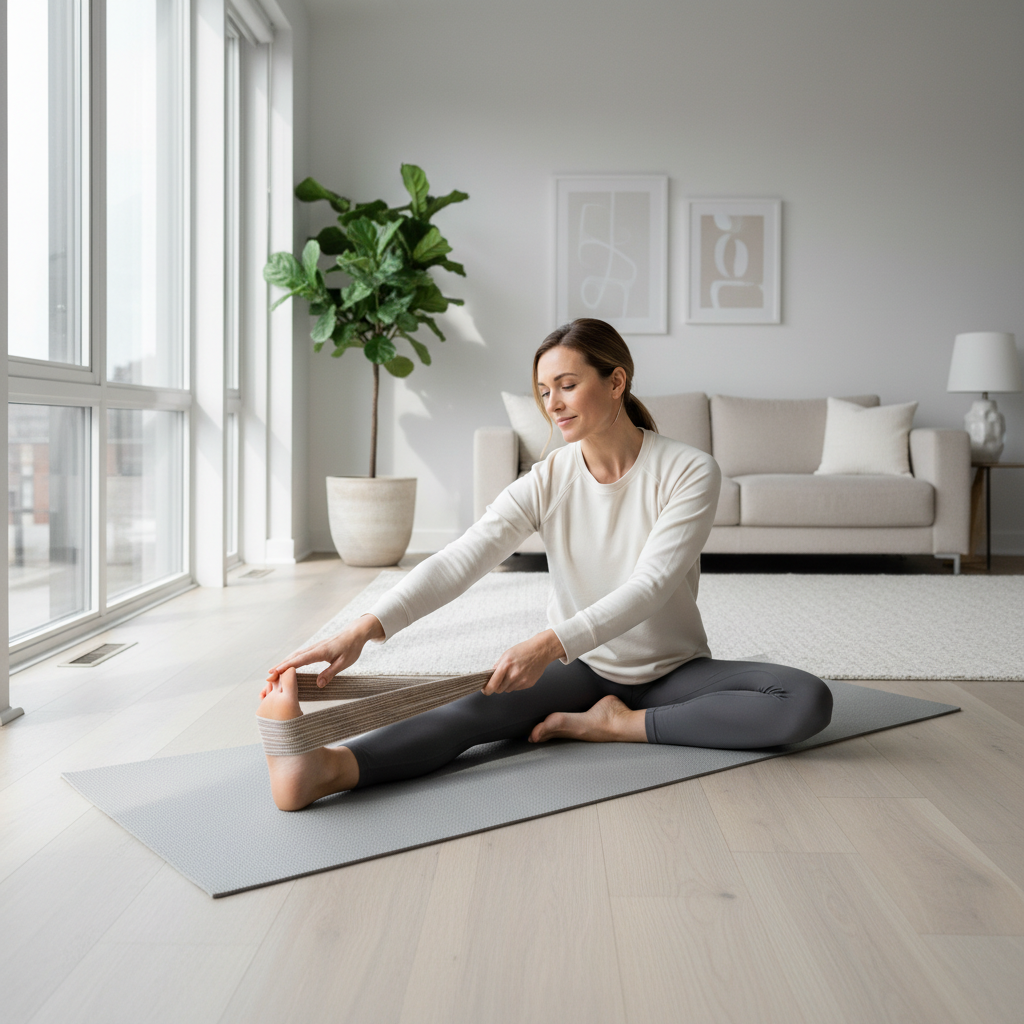
4) Hamstring stretch (strap or towel) — 45 seconds per side
- Keep the knee slightly bent if you feel nerve tension behind the knee
- Exhale longer as you ease into the last 10%
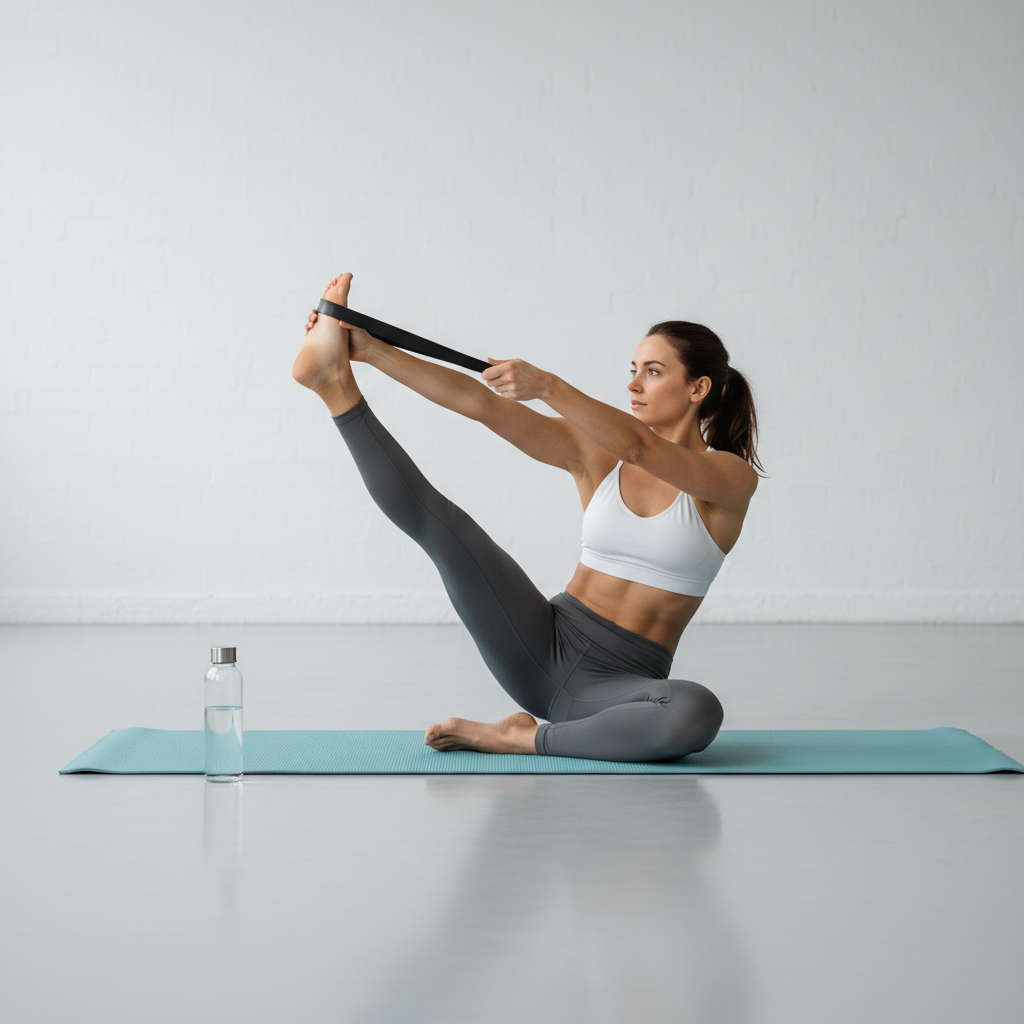
5) Figure-4 glute stretch — 45 seconds per side
- Option A: on your back, ankle over opposite knee
- Option B: seated, but stay tall and avoid collapsing your spine
6) Chest stretch (doorway) — 30–45 seconds per side
- Elbow around shoulder height, step through gently
- Stop if you feel shoulder pinching in the front of the joint
7) Upper back opener (child’s pose with side reach) — 30 seconds each direction
- Reach long, breathe into the sides of your ribcage
- Think “length,” not “force”
If you only do one thing, do the hip flexor + chest stretch combo. For many people, that pairing alone reduces the “desk posture” feeling.
How long to hold, how hard to push: a simple guide
The right dose depends on your body and goals, but most daily routines land in a pretty boring range, and boring is good here.
| Goal | Type | Hold time | Intensity |
|---|---|---|---|
| General flexibility | Static stretch | 30–60 sec | Strong, not painful |
| Feeling less stiff today | Gentle mobility + light static | 15–30 sec | Easy, breathe-focused |
| Pre-workout prep | Dynamic movement | 5–10 reps | Controlled, moderate |
According to the National Academy of Sports Medicine (NASM), a mix of mobility and stretching is commonly used to improve movement quality, with intensity kept within a controllable, non-painful range.
Make it stick: a weekly plan that feels realistic
A Stretching Routine fails more from scheduling than from technique. If you wait for “free time,” it disappears. Instead, anchor it to something you already do.
- Weekdays: 10 minutes after brushing your teeth at night, or right after your shower
- Workout days: dynamic warm-up before training, short static session later that day
- Rest days: full 15-minute sequence, slower breathing, longer holds
Key point: track one metric that matters, like “can I sit on the floor more comfortably” or “can I reach overhead without rib flare,” instead of chasing dramatic splits.
Common mistakes that slow progress (or cause flare-ups)
Most flexibility plateaus come from a handful of patterns. Fixing these usually unlocks progress without adding time.
- Stretching cold: a minute of easy movement often makes the session safer and more effective.
- Forcing joint end-range: pinching in the hip or front of the shoulder is a “stop” sign, not a challenge.
- Holding your breath: if you can’t breathe calmly, intensity stays too high.
- Only stretching what feels tight: tightness can be compensation, not the root cause.
- Ignoring strength: some people need strength in the new range, not more stretching time.
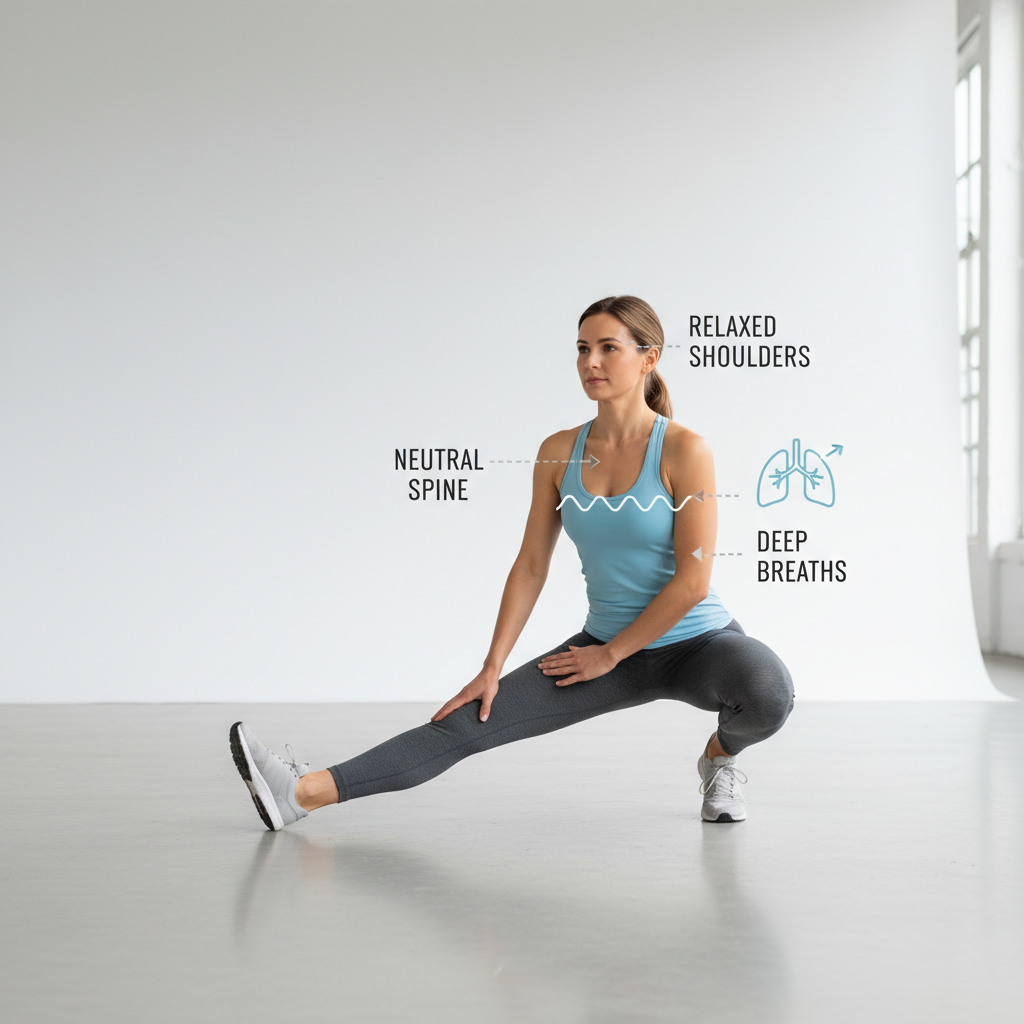
Quick form cue that helps: get into position, inhale normally, then use a long exhale to soften into the stretch by a small amount. If you jump 20% deeper all at once, your nervous system often “brakes.”
When to get professional help (and what to ask for)
Daily stretching is generally low risk, but certain symptoms deserve caution. If you’re unsure, it’s reasonable to check with a licensed clinician.
- Persistent pain that lasts beyond normal post-workout soreness
- Numbness, tingling, weakness, or pain that radiates down an arm or leg
- Recent surgery, major injury, or a joint that feels unstable
- Hypermobility or frequent joint “slipping” sensations
If you see a physical therapist or qualified coach, ask: “Which joint motions are actually limited for me, and which ones just feel tight?” That question tends to steer you away from generic stretching and toward a plan that fits your body.
Key takeaways to remember
- Consistency beats intensity: 10 minutes daily often outperforms one long weekend session.
- Comfortable tension wins: sharp pain or joint pinching is a sign to modify.
- Breathe on purpose: long exhales help your body tolerate range safely.
- Pair flexibility with control: if you gain range but can’t control it, it won’t feel usable.
Conclusion: a routine you can repeat is the one that works
If your goal is better flexibility, commit to a simple daily Stretching Routine for two weeks before you judge it. Keep the intensity honest, choose the same time of day, and focus on the areas that most affect your comfort: hips, hamstrings, chest, and upper back.
Pick one action today: save the 10–15 minute sequence, then do it right after a daily anchor like your shower or evening screen shutdown. If anything feels sharp, nerve-like, or unpredictable, dialing back and asking a professional is usually the smarter move.
FAQ
How long does it take to see flexibility improvements with a stretching routine?
Many people notice small day-to-day changes within a couple weeks, especially in how stiff they feel. Bigger range-of-motion changes often take longer, and progress varies by joint, age, training load, and consistency.
Should I stretch every day or take rest days?
Daily can work well if intensity stays moderate and you avoid painful end ranges. If you feel sore or run-down, a gentler session or a shorter mobility-only day often makes more sense than skipping entirely.
Is stretching before a workout a good idea?
Light dynamic movement is usually a better fit right before training. Longer static holds can be saved for after workouts or later in the day, depending on how your body responds.
Why do my hamstrings feel tight even though I stretch them?
Tightness can come from neural tension, hip position, or your body protecting a range it doesn’t feel strong in. Try a strap-based hamstring stretch with a slight knee bend, and consider adding hamstring strength work in a comfortable range.
What if stretching makes me feel sore the next day?
Mild soreness can happen, especially if you pushed too hard. Back off intensity, shorten hold times, and keep breathing smooth; if soreness turns into sharp pain or persists, it may be worth checking in with a professional.
Can I do this routine if I have back pain?
Sometimes gentle hip and chest work helps, but back pain has many causes. If symptoms are severe, new, or include radiating pain, numbness, or weakness, it’s safer to consult a licensed clinician before continuing.
Do I need equipment for a daily stretching routine?
No, but a towel or stretching strap can make hamstring work more controlled, and a yoga mat helps comfort. The bigger “tool” is consistency and honest intensity.
If you’re doing this routine consistently and still feel stuck, or you want a plan that matches your sport, lifting program, or injury history, consider getting a short movement assessment from a qualified coach or physical therapist, it can save you weeks of guessing.