
Traps Workout routines often get treated like “just do shrugs,” and that’s exactly why many people end up with cranky necks, rounded shoulders, or trap growth that never really shows up.
If you want your upper body to look and feel stronger, your traps matter, but not only for aesthetics. They help control your shoulder blades, support heavy pulls and carries, and keep posture from collapsing when fatigue hits.
This guide breaks down what to train (upper, mid, lower traps), how to feel the right muscles without jamming your neck, and how to plug trap work into a real week of training. You’ll also get a practical plan, a form checklist, and a few “don’t waste your time” warnings.
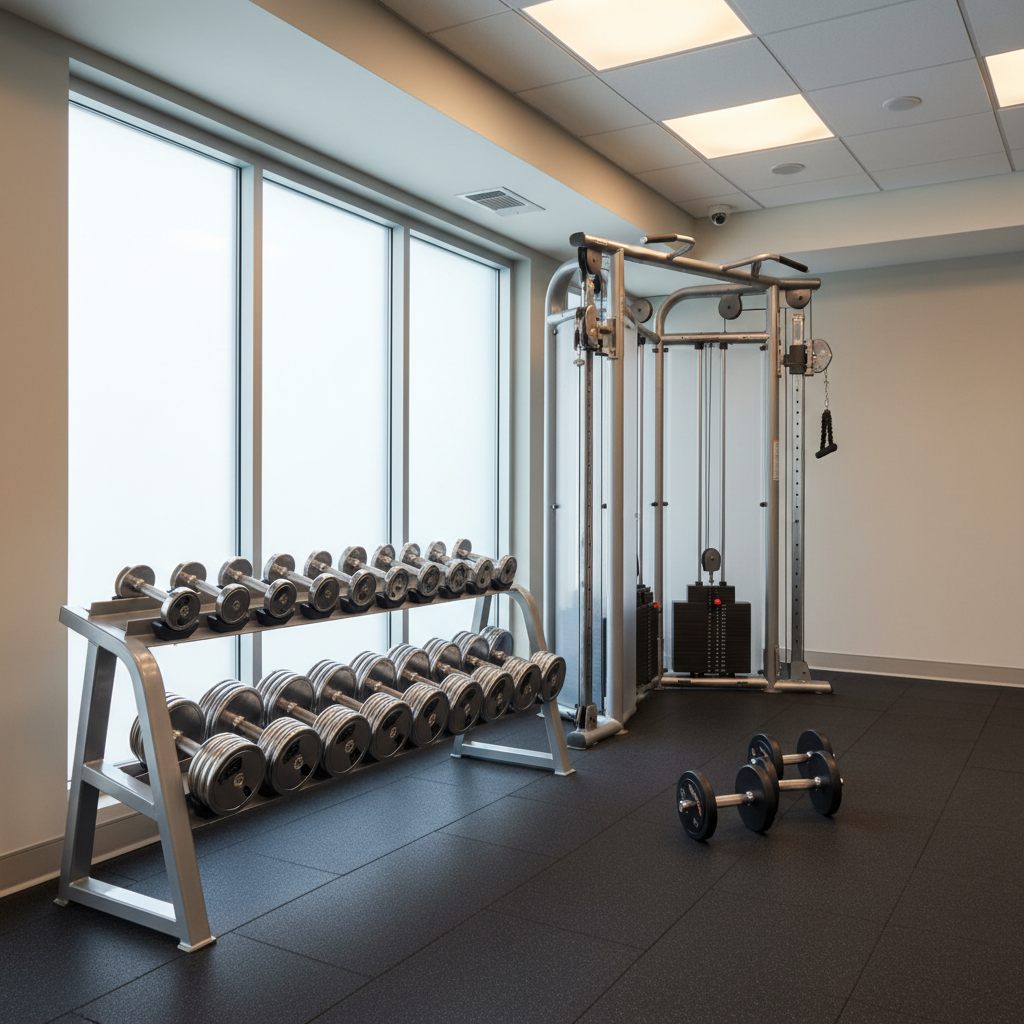
What Your Traps Actually Do (and Why “Upper Traps Only” Backfires)
The trapezius is a broad muscle with different fibers doing different jobs. If you only chase the “yoked” look, you usually overuse the upper fibers and ignore the parts that keep your shoulders moving well.
- Upper traps: help elevate the shoulder girdle and assist upward rotation when you raise your arm.
- Mid traps: retract the shoulder blades, think “pull shoulder blades back” without flaring ribs.
- Lower traps: assist upward rotation and depression, crucial for overhead comfort and scapular control.
When mid and lower fibers lag, a lot of lifters compensate by shrugging during rows, pulls, and presses. That can feel like “working hard,” but it often turns into neck tension and shoulder irritation.
According to the American Council on Exercise (ACE), balanced shoulder training that supports scapular movement patterns matters for both performance and reducing common overuse issues, which is a fancy way of saying your traps should cooperate with your shoulder blades, not fight them.
Common Reasons Your Trap Training Isn’t Working
Most plateaus here aren’t about effort, they’re about execution and exercise selection. A few patterns show up constantly.
- You shrug with your neck: the head glides forward, chin lifts, and the “burn” goes straight to the base of the skull.
- Too much load, too little control: heavy shrugs with bouncing reps rarely build the parts that stabilize your shoulders.
- Only one movement pattern: shrugs hit elevation, but traps also work hard during retraction, upward rotation, and loaded carries.
- Volume without recovery: traps get hammered indirectly by deadlifts, rows, pull-ups, and carries, sometimes you’re already doing “enough.”
- Weak serratus + lower trap combo: overhead work feels pinchy, and the body defaults to upper-trap dominance.
One more thing people miss, trap work often feels subtle when you do it right. If every set feels like a stress test for your neck, something’s off.
Quick Self-Check: Which Trap Problem Do You Have?
Use this as a fast diagnosis before changing your program. It’s not medical, just practical gym triage.
1) Your neck gets tight during “trap” sets
- Chin pokes forward during reps
- Shoulders roll forward and up instead of up and slightly back
- You feel it more behind the ears than on top of the shoulders
Likely fix: lighten the load, slow the rep, keep ribs stacked over hips, and pause briefly at peak contraction.
2) Traps don’t grow even though you pull heavy
- Deadlifts and rows are strong, but you barely “feel” your traps
- You rush eccentric phases and never hold positions
- Carry work is missing
Likely fix: add loaded carries and controlled holds, plus one mid/lower-trap accessory that you can actually perform cleanly.
3) Overhead work feels unstable
- Pressing overhead leads to shoulder shrugging and rib flare
- Scapulae feel “stuck” and upward rotation looks limited
Likely fix: prioritize lower-trap and serratus-friendly work like face pulls with upward rotation cues and wall slides, and keep pressing volume honest for a few weeks.
Best Exercises for a Traps Workout (Upper, Mid, Lower)
You don’t need a dozen moves, you need a few that cover different trap functions. Below are reliable staples that tend to work across many setups.
Upper traps (elevation + strong holds)
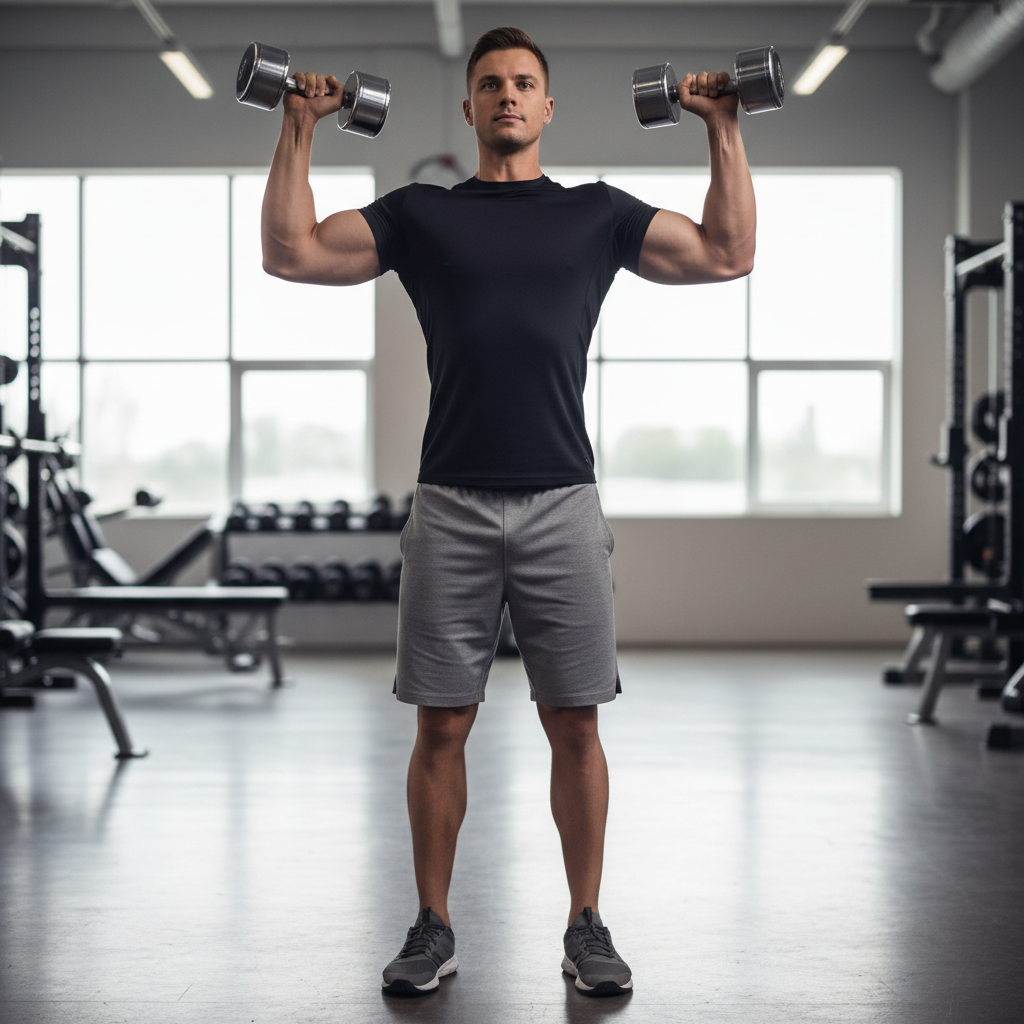
- Dumbbell shrugs with pause: 1–2 seconds at the top, neck neutral, shoulders move “up,” not “forward.”
- Trap bar carries: walk tall, ribs down, imagine holding your shoulders “wide.”
- High-incline dumbbell shrugs: chest supported to reduce body english.
Mid traps (retraction without lumbar cheating)
- Chest-supported rows: aim elbows slightly out, finish by squeezing shoulder blades together, not by yanking with biceps.
- Seal row or machine row with strict tempo: 2–3 seconds down, no bouncing.
Lower traps (depression + upward rotation support)
- Prone Y-raises: light weights, slow reps, think “reach long” rather than “shrug.”
- Face pulls with a high finish: pull toward forehead, then slightly up, keep ribs from flaring.
- Scapular pull-ups (depression focus): small range, shoulders move down away from ears.
According to the National Strength and Conditioning Association (NSCA), exercise technique, appropriate loading, and balanced programming are central for performance and injury risk management, which is relevant here because traps get overworked fast when form slides.
A Simple Traps Workout Plan (2 Options) + Table
Pick one based on your schedule. If you already do heavy pulls, the “add-on” version usually fits better than stacking endless work on top.
Option A: Add-on finisher (2x/week, 12–18 minutes)
- Trap bar carry: 3 rounds of 30–60 seconds
- Chest-supported row: 3 sets of 8–12
- Prone Y-raise: 2–3 sets of 10–15
Option B: Dedicated upper-body trap session (1x/week, 30–40 minutes)
- Paused dumbbell shrug: 4 sets of 8–12
- Face pull: 3 sets of 12–15
- Chest-supported row: 4 sets of 6–10
- Farmer carry: 4 rounds of 30–45 seconds
| Goal | Best Focus | What to Avoid |
|---|---|---|
| More “yoke” size | Paused shrugs, loaded carries, controlled rows | Heaving reps, rolling shoulders |
| Better posture and shoulder feel | Mid/lower trap work, face pulls, Y-raises | All-elevation, no retraction/upward rotation work |
| Stronger pulls | Rows + carries, strict eccentrics, grip consistency | Random maxing when already fatigued |
Form Cues That Keep Traps Working and Neck Quiet
The difference between productive trap training and “why does my neck hate me” is usually a few small cues.
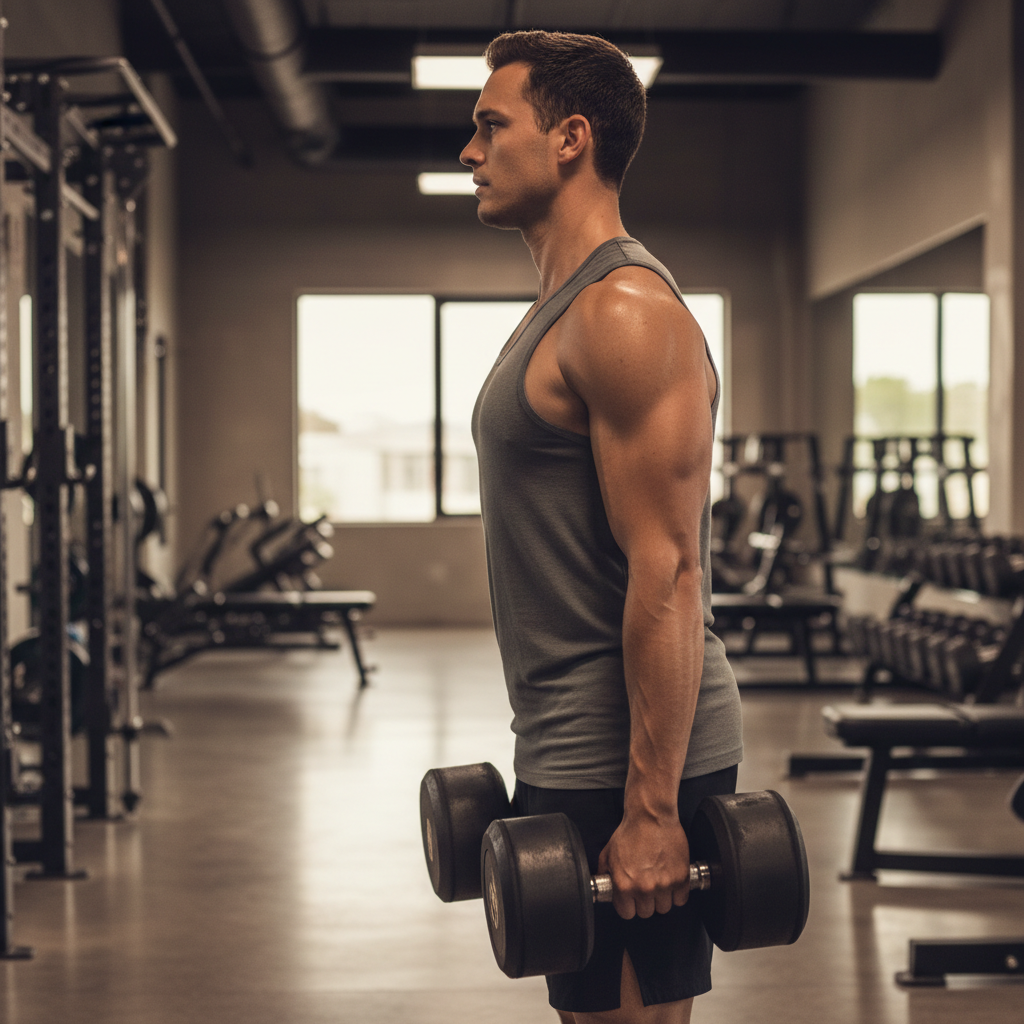
- Neck stays long: keep chin slightly tucked, eyes forward, no looking up at the mirror mid-rep.
- Shoulders travel up, not forward: think “up and wide,” not “up and roll.”
- Own the top position: a short pause beats another 50 pounds with sloppy mechanics.
- Control the lowering phase: 2 seconds down is a simple way to stop ego lifting.
- Brace lightly: ribs stacked over hips so your low back doesn’t do the work.
If you want a quick rule, any rep where you feel your head drifting forward is a rep that trains the wrong habit.
Mistakes and Myths That Waste Time
A few ideas sound tough, but they stall results.
- Myth: “Shrugs are enough.” For some lifters, maybe, but many need mid and lower trap work for shoulder mechanics and balanced development.
- Mistake: training traps hard every session. Traps recover differently per person, but they already work during rows, deadlifts, and carries, so more isn’t always better.
- Mistake: turning every row into a shrug. Keep scapular movement appropriate for the exercise, rows should not become a neck exercise.
- Myth: pain equals progress. Muscle effort is normal, sharp pain or nerve-like symptoms are not, and this is where backing off makes sense.
When to Scale Back or Ask a Pro
If your Traps Workout triggers persistent neck pain, tingling down the arm, headaches that worsen after lifting, or shoulder pain that doesn’t improve with form changes, it’s smart to pause the aggravating moves and consider guidance from a qualified coach or a licensed physical therapist. A professional can check scapular control, cervical positioning, and whether another issue drives the compensation pattern.
If you have a prior neck or shoulder injury, or you’re unsure about exercise tolerance, it’s reasonable to consult a healthcare professional before pushing volume or load.
Key Takeaways to Use This Week
- Train all regions: upper, mid, and lower trap work makes trap size and shoulder comfort more likely.
- Use carries: they build traps in a very “real world” way and improve bracing habits.
- Pause and control: technique tends to beat chaos for trap development.
- Don’t chase neck tension: if your neck does the job, your traps aren’t getting the best stimulus.
If you want a clean next step, pick Option A for two weeks, track loads and rep quality, then adjust one variable at a time, usually weight on carries or pause length on shrugs.
FAQ
How often should I do a traps workout for upper body strength?
Many people do well with 1–2 focused sessions per week, especially if they already row and deadlift. If soreness lingers or your neck feels beat up, pulling back volume often helps more than adding “just one more” exercise.
Should I do shrugs heavy or high reps?
Both can work, but heavy shrugs only help if you can keep a neutral neck and control the top and bottom. If form breaks, moderate weight with a pause and controlled lowering usually builds better stimulus.
Why do I feel shrugs in my neck instead of my traps?
It’s commonly a head-forward posture, shoulder rolling, or going too heavy. Reduce load, keep chin slightly tucked, and think “up and wide,” then hold the top briefly to lock in the right sensation.
Are face pulls really a traps exercise?
They can be, depending on how you do them. Face pulls tend to hit rear delts and the mid/lower trap area when you control the scapulae and avoid rib flare, which is why they’re useful for balance.
Can I train traps on the same day as back?
Yes, and it’s often convenient. Just avoid stacking too many heavy pulls plus heavy shrugs in one session if your grip or neck gets fried, a short carry finisher can be enough.
Do deadlifts build traps enough by themselves?
Deadlifts load the traps isometrically, especially during heavier sets, but some people still need direct work for growth or for mid/lower trap balance. If your posture collapses on pulls or overhead comfort is poor, accessories can help.
What if I only have dumbbells at home?
You can still run a solid plan: paused dumbbell shrugs, farmer carries, and prone Y-raises on a bench or even a sturdy surface. Progress comes from better control, longer carries, and small weight jumps over time.
If you’re trying to build traps without feeding neck tension, a simple structure helps: pick one heavy hold or carry, one strict row pattern, and one mid/lower trap accessory, then repeat long enough to actually improve instead of constantly swapping exercises.