
Outdoor running tips matter most when your run stops being “just exercise” and starts sharing space with traffic, uneven pavement, heat, and unfamiliar people. The good news is most safety problems are predictable, and a few habits make a big difference without killing the fun.
If you’ve ever cut a run short because it got dark faster than expected, a dog got loose, or a sidewalk suddenly disappeared, you’re not alone. Outdoor runs are great for mood and fitness, but the environment changes every block, and your plan has to match that reality.
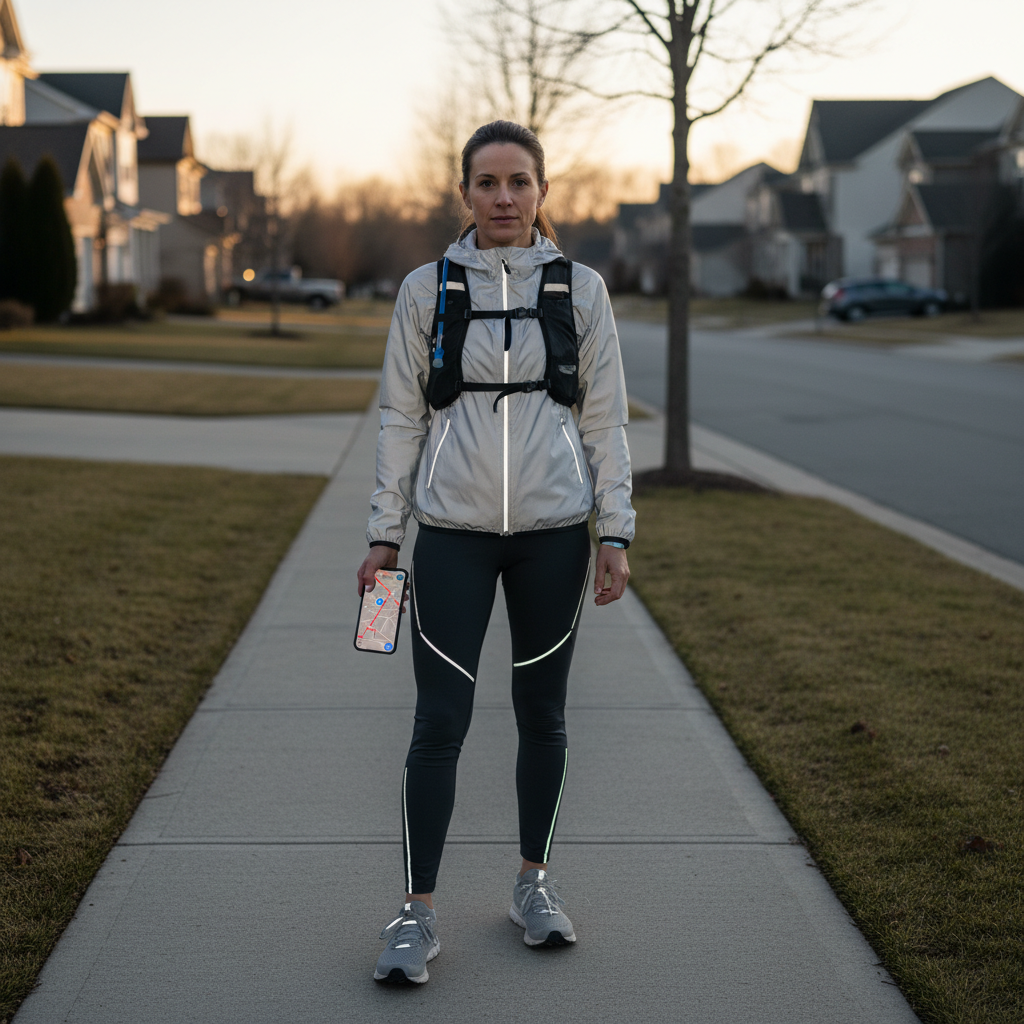
This guide stays practical: how to pick routes, what to wear, how to adjust for weather, and what to do when something feels off. No hero moves, just consistent choices that reduce risk.
Start with route choices that prevent problems
Most close calls happen because a route is “fine” until it isn’t, a shoulder disappears, a blind corner shows up, or the last mile forces you onto a high-speed road. Safer routes are usually boring in the best way.
- Favor predictable spaces: parks with loops, greenways, school tracks (when open), wide sidewalks, and residential grids with slower traffic.
- Avoid surprise pinch points: bridges without pedestrian lanes, construction corridors, and roads with frequent driveways where cars turn in and out.
- Run facing traffic when there is no sidewalk: it gives you more reaction time, though local rules can vary.
- Plan a bailout option: a well-lit store, gas station, or public building where you could stop if you feel unwell or unsafe.
According to the CDC (Centers for Disease Control and Prevention), road safety behaviors like visibility and smart route choices reduce injury risk for people who walk or run near traffic.
Visibility and gear: small upgrades, big payoff
People tend to over-index on expensive shoes and under-index on being seen. In real-world terms, visibility is a safety feature. These outdoor running tips are simple but high-impact.
What to wear when light is low
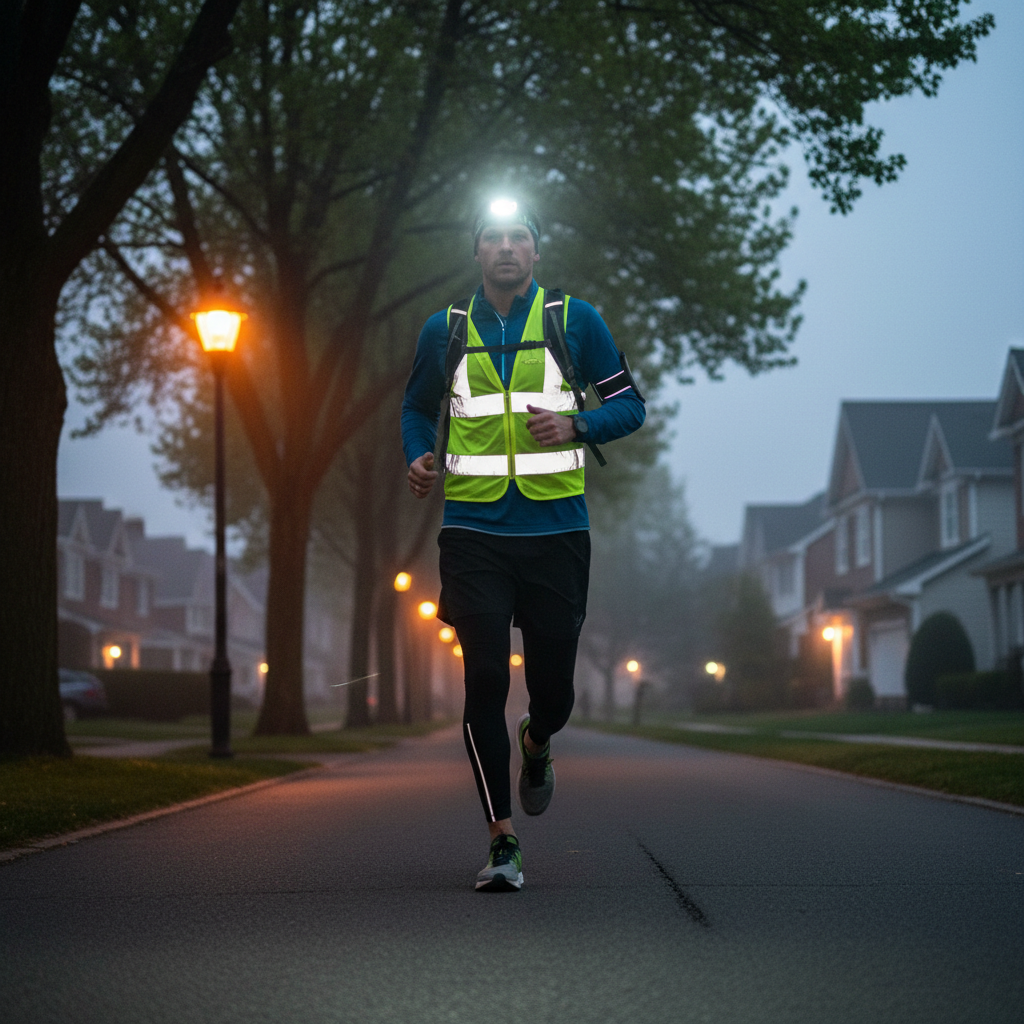
- Reflective elements on moving parts (ankles/wrists) read better to drivers than a small chest logo.
- Headlamp or chest light for dawn/dusk, not just so cars see you, but so you see cracks, roots, and potholes.
- Bright top, darker bottom often works better than all-black even with some reflectivity.
One-ear audio (or none) in higher-risk areas
If you run near intersections, trail crossings, or busy parking lots, consider a single earbud or lower volume. Hearing bikes, dogs, and traffic is a real advantage.
Weather and timing: manage the conditions you can’t control
Weather risk isn’t only extreme storms. A normal day can turn into heat stress, dehydration, or slick footing if you’re not paying attention.
- Heat: start earlier, slow pace, seek shade, and bring fluids for longer efforts. If you feel dizzy, chilled, or unusually weak, stop and cool down, and consider medical advice.
- Cold: dress in layers you can vent, keep hands warm, and watch for numbness that affects balance.
- Rain and ice: shorten stride, expect painted lines and metal grates to be slippery, and avoid leaf-covered trails where footing hides.
- Lightning: don’t “push through” thunderstorms, reroute or postpone.
According to the National Weather Service, if you hear thunder, you are close enough to be struck by lightning, which is a strong reason to seek shelter rather than finish the loop.
Traffic, intersections, and trail etiquette
Cars don’t always behave logically, and runners sometimes assume eye contact equals being seen. It helps to run with a defensive mindset.
- Assume turning cars may not look: especially right turns on red and left turns across your path.
- Give yourself permission to stop: a 2-second pause at a tricky crossing beats a “should’ve been fine” moment.
- Use crosswalks where practical: and avoid weaving between parked cars that block sightlines.
- On shared paths: keep right, pass left, and announce yourself early if you’re coming up fast.
According to the NHTSA (National Highway Traffic Safety Administration), many pedestrian crashes involve visibility and driver expectation issues, so predictable behavior helps both sides.
Personal safety: what to do when a situation feels off
This part can feel uncomfortable, but it’s honest: sometimes safety is less about conditions and more about people. Trust your gut without spiraling into fear.
- Share your route with a friend or family member, especially for new trails or evening runs.
- Choose “busy enough” locations when running alone, a little foot traffic can be protective.
- Keep a simple plan if approached: stay moving, don’t debate, head toward populated areas.
- Carry what fits your comfort and local laws (ID, phone, small alarm, or other safety tools). If you’re unsure, check local regulations.
One of the most useful outdoor running tips is also the least technical: if you feel unsafe, end the run early. Fitness gains come from consistency, not from finishing one sketchy route.
Quick self-check: which safety gaps apply to you?
Use this as a fast audit before you overcomplicate your setup.
- Route: Do you know where sidewalks end, where crossings feel sketchy, and where lighting drops?
- Visibility: If a driver glanced up for one second, would you stand out?
- Timing: Are you frequently finishing in darkness when you didn’t intend to?
- Fuel and fluids: On runs over 45–60 minutes, do you have a realistic hydration plan?
- Communication: Would someone know where to look if you didn’t return?
If you answered “no” to two or more, don’t try to fix everything in one week. Pick the highest-risk gap first, usually route or visibility.
Practical plan: match safety to run type
Different runs have different failure points. Here’s a quick way to decide what matters today.
| Run type | Main risks | What to do |
|---|---|---|
| 20–40 min easy | Traffic, uneven pavement | Choose a familiar loop, wear reflective details if low light, keep phone accessible |
| Intervals / tempo | Reduced awareness at higher effort | Use a track or wide path, avoid complex intersections, lower audio volume |
| Long run (60+ min) | Dehydration, route drift, weather shifts | Carry fluids, plan a turnaround point, tell someone your route, bring ID |
| Trail run | Footing, navigation, wildlife | Run with a buddy when possible, bring a light, know the trail rating, download offline map |
Common mistakes that quietly increase risk
- “I’ll just run against traffic everywhere” without checking shoulder width, some roads remain unsafe either direction.
- Wearing all black with a tiny reflective logo and assuming it counts as visibility gear.
- New route + night run as a combo, even experienced runners get surprised by missing sidewalks.
- Skipping warm-up in cold weather, early stiffness can make slips more likely.
- Ignoring minor pain and pushing through, a small ankle tweak on a curb can turn into a fall.
When it makes sense to get professional help
If you have chest pain, fainting, severe shortness of breath, or symptoms that feel unusual for you, stop running and consider urgent medical evaluation. For repeated aches that change your stride, a physical therapist or sports medicine clinician can help identify mechanics issues before they become a longer break.
And if you’re returning after injury, pregnancy, or a long gap, a coach can simplify the plan so you build safely without guessing.
Key takeaways to remember on your next run
- Safer routes beat tougher routes when you’re trying to stay consistent.
- Visibility is equipment, not a style choice.
- Weather planning prevents most “bad run” scenarios, especially heat and storms.
- Trust discomfort signals, ending early is often the smart move.
If you want a simple next step, pick one upgrade for this week: a better-lit loop, reflective ankle bands, or a carry plan for fluids on longer efforts. Small changes stack fast.
FAQ
What are the most important outdoor running tips for beginners?
Start with a predictable route, run in daylight when possible, and prioritize visibility. Beginners often benefit most from consistency and low-risk conditions rather than “pushing it” in tricky environments.
Is it safer to run in the morning or at night?
Morning often has better visibility and less fatigue, but it depends on your neighborhood, traffic patterns, and lighting. If you run at night, add a light and choose routes with continuous sidewalks and streetlights.
How do I stay safe running near traffic without sidewalks?
Pick roads with wide shoulders and good sightlines, face traffic when appropriate, and avoid high-speed areas. If the shoulder disappears or you feel squeezed, reroute rather than forcing it.
What should I carry on a long outdoor run?
At minimum: phone, ID, and a hydration plan. Many runners add electrolytes, a small snack, and a way to pay for water if needed, especially in warmer months.
Should I run with earbuds outdoors?
You can, but keep volume low and consider one earbud in higher-risk areas. The more intersections, bikes, and dogs you encounter, the more situational hearing helps.
How can I run safely in hot weather?
Slow down, start earlier, wear breathable clothing, and drink regularly. If you develop dizziness, nausea, chills, or confusion, stop and cool down, and consider medical advice if symptoms persist.
What’s a good way to choose a safe running route when traveling?
Look for popular parks, waterfront paths, or well-known multiuse trails, and ask hotel staff about areas to avoid. A short recon walk before running can prevent unpleasant surprises.
If you’re trying to turn these outdoor running tips into a routine, a simple checklist you can reuse for route, weather, and visibility tends to be the most “low effort, high return” approach, especially on days when motivation is already doing enough work.