
The best bike pedal for flat foot usually isn’t the most expensive pedal, it’s the one that gives your whole foot a stable platform, predictable grip, and enough clearance so your arch and heel don’t get cranky mid-ride.
If you ride with low arches, plantar fasciitis tendencies, or you simply “feel everything” through your feet, pedals matter more than people admit. A small platform can create pressure points, too much pin bite can irritate sensitive soles, and a bulky body can steal ground clearance on turns.
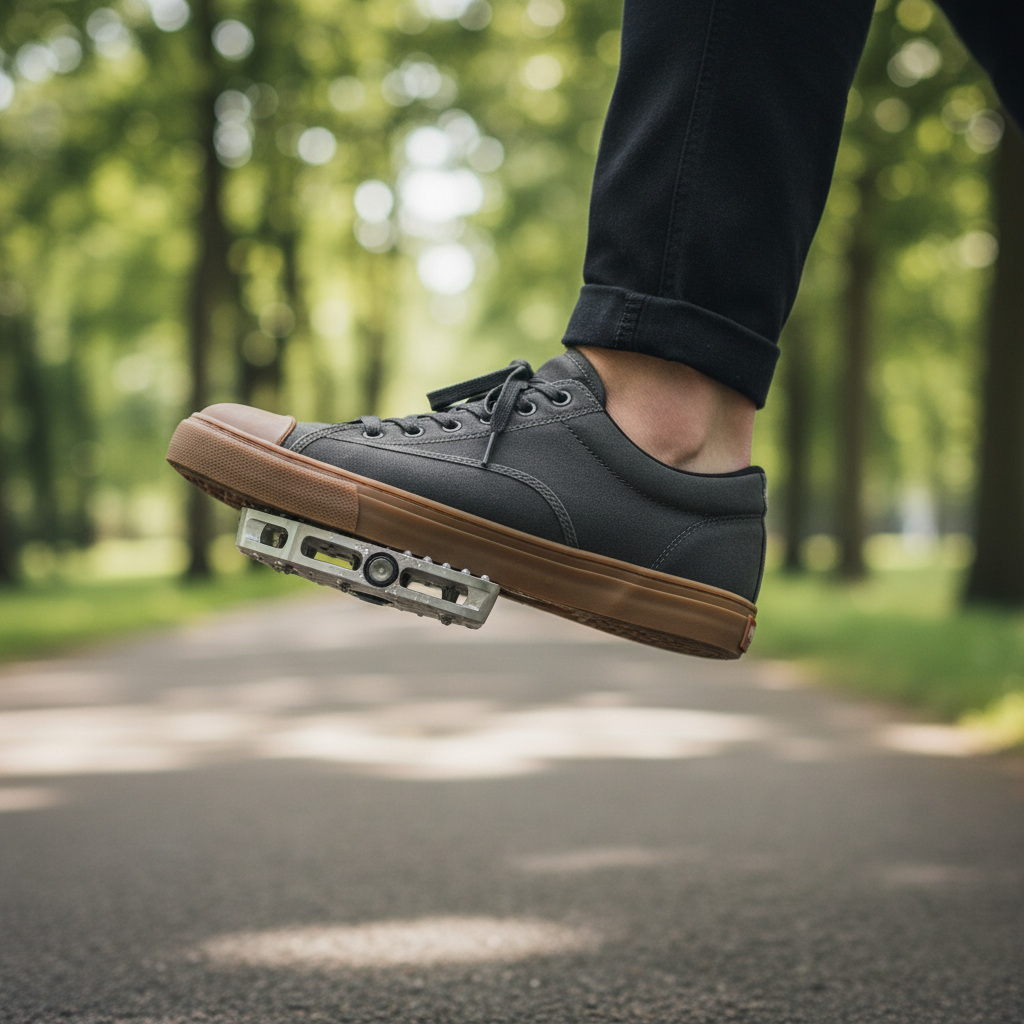
This guide narrows the choices down to what typically helps flat-footed riders: platform size and shape, pin style, pedal thickness, and how to pair pedals with shoes or insoles. You’ll also get a quick-fit checklist, a comparison table, and a few realistic “buy this style if…” recommendations.
What flat-footed riders typically need from pedals
Flat feet vary, some people have flexible arches that collapse under load, others have rigid low arches, and comfort needs change with ride type. Still, a few pedal traits show up again and again when people search for the best bike pedal for flat foot comfort.
- Bigger, supportive platform: More contact area spreads pressure, reducing “hot spots” under the ball of the foot.
- Secure but tunable grip: Pins help stabilize the foot, but overly tall, sharp pins can feel harsh with softer soles.
- Thin pedal body: A lower profile improves cornering clearance and can feel more “planted” underfoot.
- Stable axle/bearing feel: Smooth bearings reduce micro-wobble that can fatigue feet over longer rides.
- Good shoe pairing: Even the right pedal can feel wrong with a very soft sneaker.
According to the American Podiatric Medical Association (APMA), footwear support and fit are key factors in foot comfort, which is why pedal choice and shoe stiffness tend to work as a package rather than isolated fixes.
Quick self-check: are your pedals causing foot pain?
Before you buy anything, it helps to confirm what’s really bothering your feet. A lot of riders blame arches when the issue is pressure concentration, shoe flex, or position.
Signs your current pedal setup is the problem
- You feel a burning “hot spot” under the forefoot after 20–60 minutes.
- Your foot slides around when you ride rough pavement or light trail.
- You tense toes to “hold on,” then calves and arches fatigue.
- Pain improves noticeably when you switch to stiffer shoes.
- Your pedal feels narrow, and your foot hangs off the sides.
Signs it may be more about fit, insoles, or injury
- Morning heel pain, or sharp first-step pain, which can match plantar fasciitis patterns.
- Numbness or tingling that persists after the ride.
- Pain on the inside ankle or shin that builds over weeks.
If you’re seeing the second group often, changing pedals can still help, but it may be worth asking a clinician or bike fitter for guidance, especially if symptoms escalate.
Pedal features that matter most (and what to ignore)
Specs can get noisy fast. Here are the practical levers that usually change comfort for flat-footed riders.
1) Platform size and shape
Look for a platform that supports the ball of the foot and gives the midfoot a stable landing zone. Concave platforms often feel more “cradled,” but a mild concave is typically easier to position consistently than an aggressive dish.
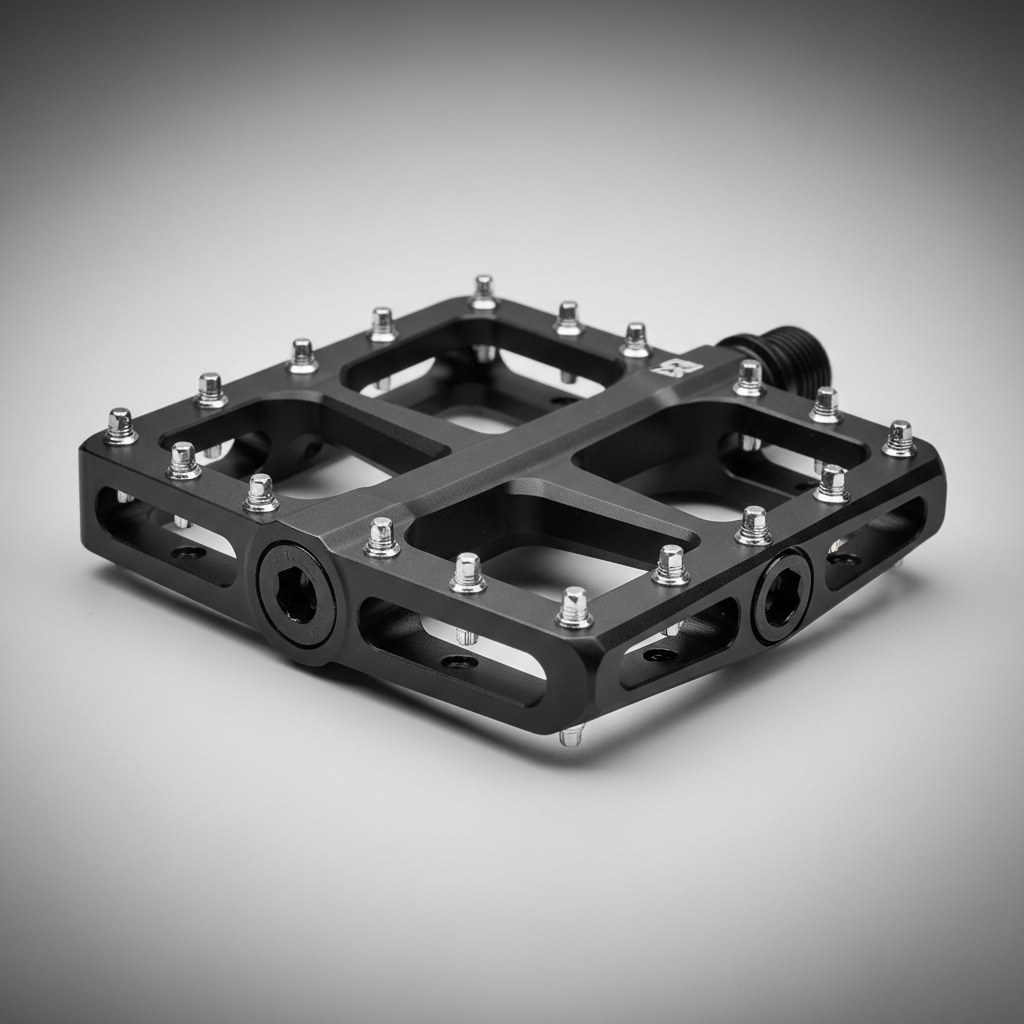
2) Pins: height, shape, and replaceability
Adjustable pins are underrated. If your soles feel beat up, reduce pin height or use a mix of shorter pins near the arch zone. Replaceable pins also matter because worn pins reduce security, and you end up clenching toes.
3) Pedal thickness and edge profile
A thinner body reduces pedal strikes and can help you keep a calmer ankle through turns. But super-thin pedals sometimes sacrifice durability at lower price points, so look for a reputation of solid spindles and seals.
4) Bearings and seals
Smooth bearings won’t “fix” flat feet, but rough bearings can create a subtle wobble or grittiness that makes you re-position constantly. For wet climates, decent seals reduce premature bearing wear.
What’s easy to overvalue
- Pedal weight: A few grams rarely changes foot comfort.
- “More pins = better”: Too much bite can create pressure and make micro-adjustments harder.
- Ultra-cheap composites with unknown spindles: Some are great, some develop play quickly, and that can feel awful underfoot.
Best flat pedal styles for flat feet (by riding scenario)
Instead of pretending one product fits everyone, it’s more realistic to pick a pedal “type” that matches your use. These are the patterns that tend to work when people want the best bike pedal for flat foot comfort.
Commuting and casual riding: wide composite platform, moderate pins
- Why it works: Composites can damp vibration slightly, and moderate grip feels comfortable with everyday shoes.
- Look for: Wider body, molded or shorter pins, serviceable bearings if possible.
- Avoid: Razor-sharp metal pins if you ride in soft sneakers.
Gravel and mixed surfaces: medium-thin aluminum, adjustable pins
- Why it works: Better foot stability when surfaces get chattery, plus tunable traction.
- Look for: Mild concave, pin tuning, strong seals for dust.
Mountain biking: large concave platform, aggressive pin layout
- Why it works: On rough descents, a big platform reduces foot dance and helps you stay relaxed.
- Look for: Large platform, replaceable pins, proven spindle durability.
- Tradeoff: More grip can mean more sole wear, and it may feel “too locked” for some riders.
Fitness road riding without clipless: thin platform, high-quality bearings
- Why it works: A stable platform paired with a stiffer flat shoe can feel surprisingly efficient.
- Look for: Thin profile, smooth bearings, sufficient platform width.
Comparison table: how to choose quickly
Use this table to translate “foot comfort” into an actual buying choice.
| Pedal need | What to prioritize | Common mistake |
|---|---|---|
| Forefoot hot spots | Wider platform + stiffer shoe + moderate pins | Buying sharper pins instead of more support |
| Foot slips on bumps | Adjustable/replaceable pins + mild concave | Going too smooth, then curling toes to compensate |
| Ankles feel unstable | Large platform + predictable grip, consistent shoe tread | Using very soft running shoes with deep tread voids |
| Pedal strikes in corners | Thinner body + chamfered edges | Choosing ultra-thick platforms for “comfort” |
| Wet-weather commuting | Corrosion resistance + good seals + grippy surface | Ignoring bearing protection, then pedals develop play |
Setup tips that improve comfort more than you’d expect
A pedal swap helps, but small setup changes can make the same pedal feel totally different. This is where many riders finally get the “aha” moment.
Dial in foot position before you judge the pedal
- Start with the ball of your foot roughly over the axle, then test slightly midfoot if your arches fatigue.
- Keep left/right symmetry in mind; one foot often sits differently without you noticing.
- If you feel toe numbness, don’t just move forward, check shoe tightness and pin harshness.
Pair pedals with the right shoe stiffness
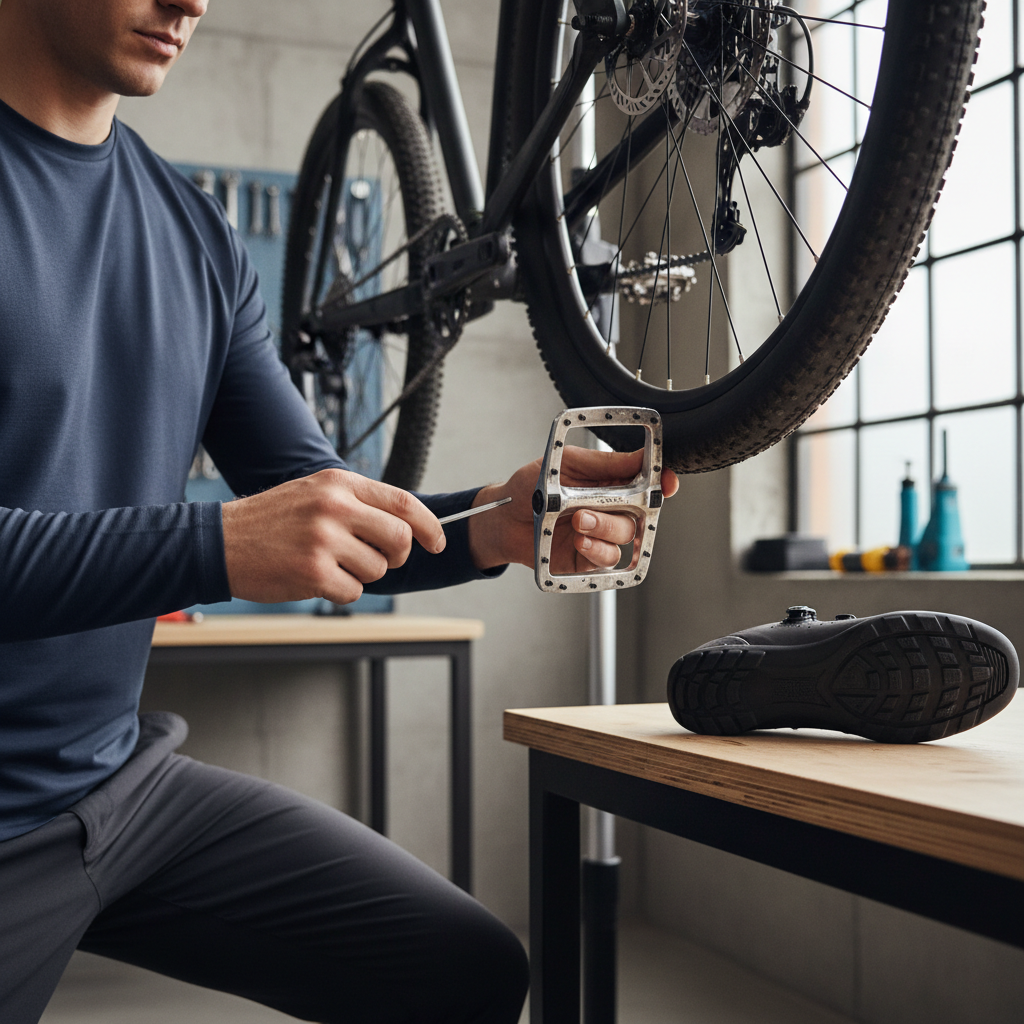
For flat feet, shoe stiffness is often the hidden variable. A very flexible shoe bends over pins, pressure spikes, and you feel it as arch strain. Many riders do well with a dedicated flat-pedal shoe or a firmer everyday shoe.
Consider insoles, but be realistic
Arch-support insoles can help some flat-footed riders, but comfort depends on foot type and sensitivity. If an insole creates pressure where you don’t tolerate it, you’ll compensate and feel worse. When symptoms are persistent, consulting a podiatrist or physical therapist can be a safer route.
Key takeaways to keep in mind
- Support beats grip when your pain is pressure-related.
- Tunable pins help you match traction to your shoe and sensitivity.
- Thin + wide is a common sweet spot for stability and clearance.
Common mistakes (that waste money)
Most “wrong purchases” for flat feet follow a few predictable paths.
- Buying tiny platforms because they look sleek: Style rarely helps foot comfort on longer rides.
- Chasing maximum bite: If your soles are sensitive, aggressive pins can cause you to shift constantly, which feels like arch fatigue.
- Ignoring shoe tread pattern: Deep lugs can perch on pins unevenly, creating pressure points.
- Over-tightening shoes to feel stable: This can trigger numbness and makes you think the pedal is the issue.
According to NHTSA, visibility and control are central to road safety for cyclists, and while they don’t evaluate pedals specifically, the broader point matters: if your foot feels insecure, it can affect how confidently you brake and maneuver in traffic.
Conclusion: picking your best option for 2026
The best bike pedal for flat foot riding in 2026 is usually a wide, stable platform with pins you can live with, paired with a shoe that doesn’t fold over the pedal. If you mainly commute, a wide composite pedal with moderate grip is often plenty. If you ride gravel or trails, aluminum platforms with tunable pins and a mild concave shape tend to feel more secure without turning every ride into a foot endurance test.
Two practical next steps: measure your current pedal platform and compare it to your shoe width, then decide whether your bigger issue is support (platform and shoe stiffness) or traction (pins and tread). You’ll buy smarter, and your feet will usually tell you within a couple rides.
FAQ
What size platform is best for flat feet on bike pedals?
Many flat-footed riders prefer a wider platform that supports more of the forefoot and midfoot, because it spreads pressure. Exact sizing depends on shoe size and riding style, but if your foot hangs off both sides, it’s often a sign to size up in platform.
Are metal pins bad for plantar fasciitis?
Not automatically, but very tall or sharp pins can feel harsh if your shoe sole is soft, which may aggravate sensitive feet. If you suspect plantar fasciitis, consider moderating pin height and asking a clinician for advice if pain persists.
Do flat pedals help or hurt flat feet compared to clipless?
It depends. Flat pedals let you adjust foot position more easily, which some riders love, but clipless can provide consistent placement and support when paired with stiff shoes. Comfort comes down to setup and your foot’s tolerance.
Should I move my foot forward or backward on the pedal for arch pain?
If arches fatigue, a slightly more midfoot stance can reduce load on the forefoot for some riders. Small changes matter, so move in tiny increments and note whether numbness, heel discomfort, or knee tracking changes.
What shoes work best with flat pedals for flat feet?
Generally, shoes with a firmer sole and a stable heel counter pair well with platform pedals. Very soft running shoes can create pressure points over pins, especially on longer rides.
How do I stop my feet from slipping off flat pedals in the rain?
Look for pedals with effective pins and good surface design, then pair them with shoes that have a grippy rubber compound. If you still slip, lowering saddle height slightly or adjusting foot placement can help with control, but avoid drastic changes at once.
If you’re trying to choose a pedal quickly and want a more “no guesswork” shortlist, it can help to share your shoe size, riding type, and whether your issue is hot spots or slipping, then match you to a platform width, pin style, and profile that makes sense for your routes.